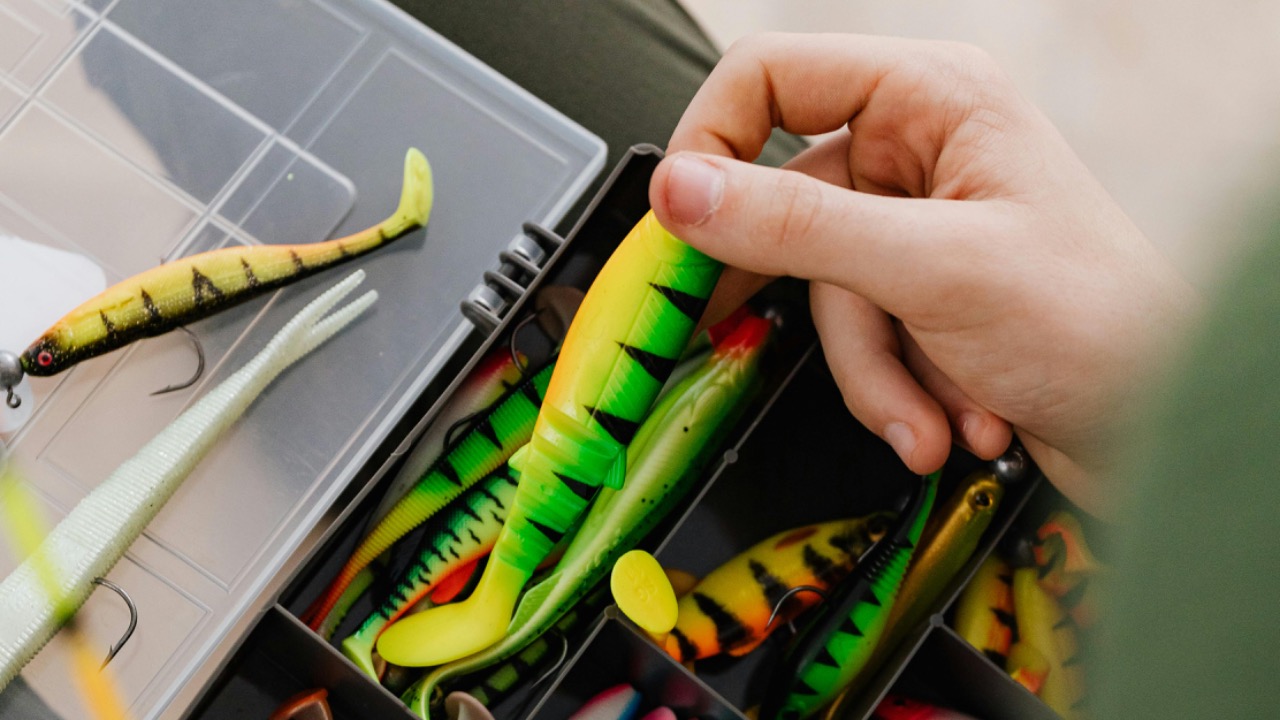
The fishing tactics that work when nothing else does
Every angler eventually faces the same scene: perfect-looking water, proven lures, and absolutely no bites. When conditions are tough or fish are heavily pressured, the usual playbook stops working and only a handful of specialized tactics consistently turn lookers into biters. The most effective of these methods share a common thread: they slow down, get subtle, and target the small percentage of water where fish are actually willing to feed.
Finding the 10 percent of water that matters
When the bite dies, location is usually the first problem, not lure color. Experienced instructors often refer to a 90/10 rule, the idea that 90% of fish live in just 10% of the water, and that anglers who are not catching fish are often simply casting in the wrong places rather than using the wrong gear. One detailed breakdown of this concept explains that anglers who keep moving and searching for that productive slice of habitat catch more fish than those who endlessly swap lures in dead water, and it links success to understanding current, structure, and seasonal movements rather than chasing tackle trends.
River specialists point out that during warm-water periods, “River smallmouths during warm-water periods are going to be focused on areas with a lot of current” and that “Main river spots that have a lot of current are going to be the areas you want to focus on.” That guidance on River smallmouths illustrates how even in tough conditions, current seams, eddies, and main-channel breaks concentrate fish that are ready to eat.
On stillwaters, long-session reports from New Zealand lakes stress that “You need to have belief in it because at times you might be working the water for a long time with” no obvious reward. That perspective on stillwater tactics highlights how commitment to a method and systematic coverage of likely contours, drop-offs, and weed edges eventually reveals that narrow feeding zone where bites cluster.
Slowing down to almost nothing
Once an angler is in the right neighborhood, the next adjustment is usually speed. When fish are inactive, fast retrieves and aggressive jigging can simply push them away. Some of the most reliable “emergency” methods are built around doing as little as possible and letting the lure work with current alone.
One classic bass approach is literally called the “Do-Nothing” method. Detailed guidance on this technique explains that after the cast, the angler should resist the urge to impart action and instead let the lure settle and drift. The description notes that “After the cast, let the lure se…” and emphasizes that the technique depends on patience and minimal rod movement, with the bait gliding naturally through the strike zone. That same analysis on the Do-Nothing techniqueframes it as a deliberate contrast to the constant twitching many anglers default to.
Soft-plastic specialists echo this slow approach. Pike minnow experts describe how a “dead” drift with no action imparted is generally the most effective presentation when fishing grubs, especially in current. The same guidance adds that “However, movement may trigger more strikes” in some situations, which gives anglers permission to experiment with occasional sweeps or pauses once a baseline dead drift has been established. This idea of starting with stillness and only adding motion as needed is central to coaxing neutral fish.
Weightless finesse and subtle plastics
Weightless soft plastics are a recurring theme whenever anglers talk about tactics that produce when nothing else does. One detailed short-format breakdown shows a rig “totally weightless” and explains that it is “what the fish want,” with the angler “Throwing it out there letting it sit twitching it.” That slow, almost suspending fall keeps the bait in the strike zone for a long time and gives pressured fish time to commit. The demonstration of this weightless presentation underscores how minor twitches and long pauses can outperform more elaborate rigs.
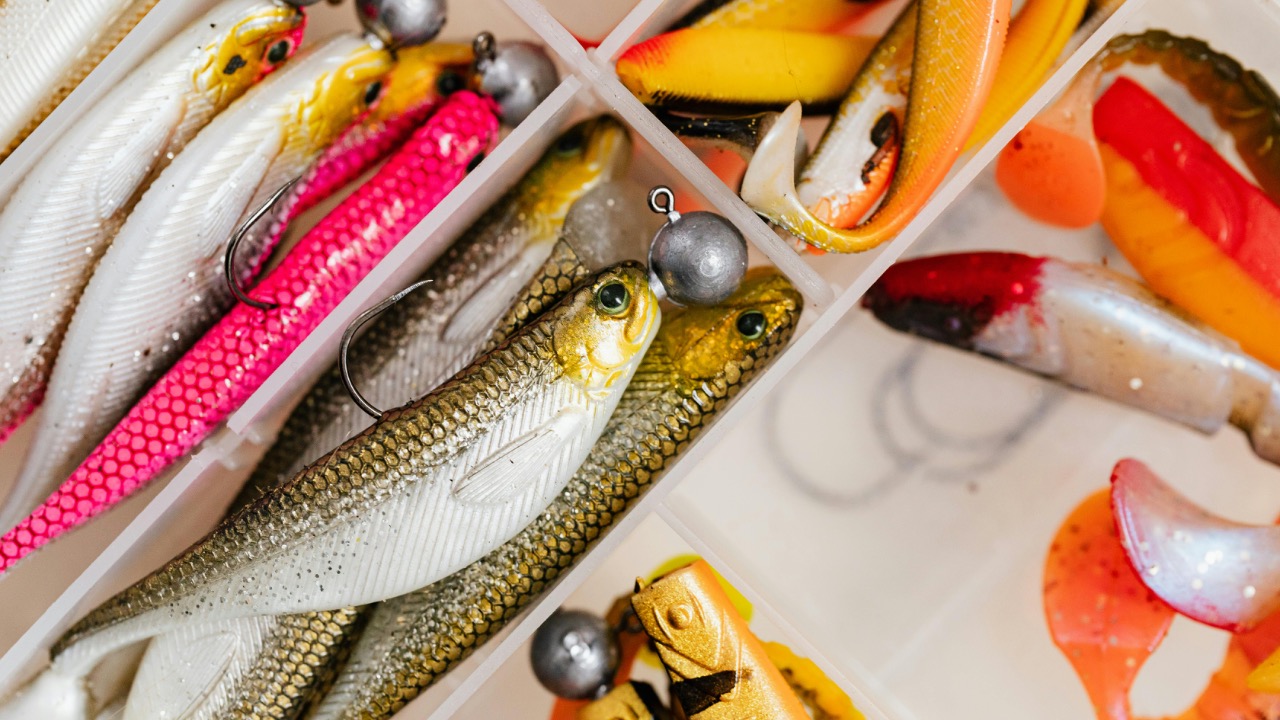
Finesse plastics also shine when fish are described as “negative” or “skittish.” One detailed how-to on tough bites notes that “Switching to a plastic, whether scented or not, can trigger even the most skittish of biters” and highlights how modern finesse tails quiver with minimal movement. The same piece on Switching to a advises that the key is to keep the bait moving just enough to look alive, not enough to spook wary fish.
For bass in clear or heavily pressured water, drop shot rigs are often treated as a last-resort weapon. Technical breakdowns describe how “Strategic Advantages: Drop shotting excels when other techniques fail, particularly in clear water or highly pressured fishing environments” and note that this technique holds the bait in the strike zone longer than many other methods. The emphasis on Strategic Advantages highlights why this rig is often the final step before an angler admits defeat.
Ultra-precise casting into overlooked spots
When fish refuse standard presentations, sometimes the problem is not what is tied on but where it lands. Advanced light-tackle anglers increasingly rely on ultralight gear to shoot tiny jigs into tight cover that others cannot reach. One in-depth video on this method explains that “With repetition, I think you will find that shooting an ultralight jig into hard-to-reach places becomes pretty easy” and demonstrates how this approach puts a bait in front of fish that rarely see lures. The same breakdown of this Advanced Ultralight Technique stresses that practice turns these pinpoint casts into a routine part of the arsenal.
A seasoned angler describes a similar philosophy when explaining how he catches fish when others cannot. In that account, he talks through a first tip that is to go “a little bit off the beaten path” and “hike down river a decent w…” to reach lightly pressured stretches. The longer version of this advice, shared in a walkthrough on How I Catch, connects success to hiking, wading, and exploring beyond obvious access points instead of only changing lures at the parking lot.
Online communities echo this focus on angler execution rather than constant bait changes. In one widely read discussion titled “Tricks for when nothing is biting,” a contributor from Aug describes how they “Threw those too” in reference to standard baits, then explains that “When they just won’t bite no matter what I do one of two things. I use the bait I think I can work the best p…” and focus on precise, confident retrieves. That comment in the Tricks for thread captures a key lesson: mastery of one or two presentations in tight spots often beats constant experimentation in easy water.
Night moves, spillways, and other high-percentage scenarios
Sometimes the only way to trigger bites is to fish when or where others do not. Heat, bright sun, and heavy daytime pressure can shut fish down, even when electronics show them stacked under the boat. Coastal reports from the Bay describe how “And your offerings may go untouched on the Bay even as the meter indicates hordes of fish are under the boat. During such times fi…” and go on to recommend night tactics when the water cools and predators feel safer. That guidance on night fishing tactics stresses subtle lighting and slow presentations around structure.
Broader big-fish advice reaches a similar conclusion. One breakdown of trophy strategies notes that “However, during summer when the days are bright and the water is warm, many larger predatory species of fish don’t even become act…” until after dark, when they move shallow to hunt. That analysis of night trophy tactics suggests that anglers willing to shift their schedule can turn a dead afternoon into a productive after-hours session.
Other high-percentage spots include spillways and current funnels. One short-format demonstration calls spillways a “cheat code” and explains that big fish love sitting there as food washes toward them, with the angler showing how to cast into the turbulent seam where predators wait. The visual walkthrough of fishing spillways reinforces the broader 90/10 idea: when conditions are tough, it pays to target places where current naturally concentrates bait.

Leo’s been tracking game and tuning gear since he could stand upright. He’s sharp, driven, and knows how to keep things running when conditions turn.