10 things you should never do at a gun show
Gun shows bring together collectors, first-time buyers, and curious onlookers in a setting where safety and etiquette matter as much as the merchandise. To keep everyone safe and welcome, there are clear lines attendees should never cross. These ten missteps show how a single bad decision can damage safety, reputations, and even the broader debate around firearms.
1. Arrive without proper identification
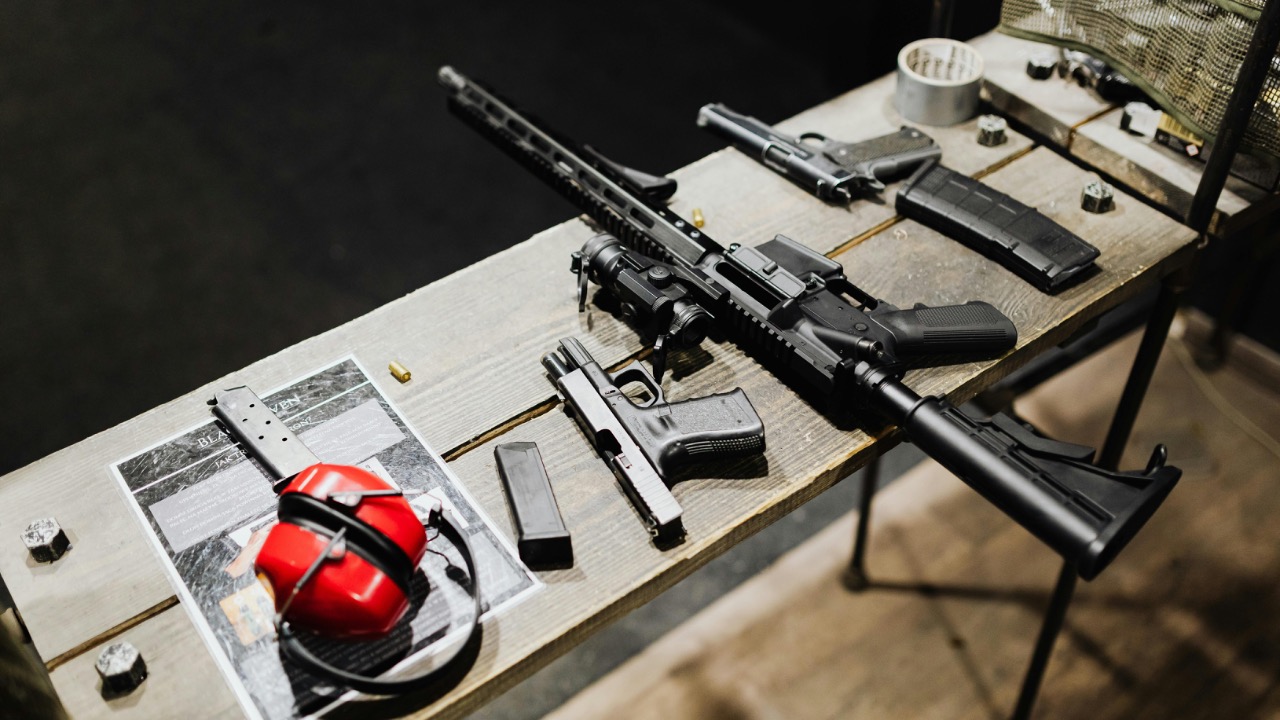
Arriving without proper identification can derail a gun show visit before it starts. Organizers and Dealers expect attendees to Bring Proper Identification, typically a government issued photo ID, especially if any purchase or transfer is involved. Guidance that highlights how visitors should Always carry valid documents explains that staff may deny entry or block sales if someone cannot verify age or residency, which can also complicate compliance with local and federal law.
Beyond legal requirements, showing ID promptly keeps lines moving and reduces friction with vendors who must log accurate buyer information. When attendees understand that Aug rules about documentation protect both sellers and buyers, they are less likely to argue at the table or pressure staff to bend procedures. That respect for process helps maintain a professional atmosphere and supports responsible firearm culture inside the venue.
2. Bring a loaded firearm into the venue
Bringing a loaded firearm into the venue is one of the most serious mistakes a visitor can make. Safety guidance that lists specific show rules states plainly, “DON, Bring Loaded Firearms Into the Venue,” and describes how One of the core expectations is that all guns are cleared and checked at the door. Staff often secure actions with zip ties or chamber flags so no one can chamber a round on the floor.
Ignoring that rule puts everyone at risk and can trigger immediate removal or involvement of law enforcement. A negligent discharge in a crowded hall would endanger families, vendors, and security personnel, and could lead to tighter restrictions on future events. Treating every firearm as if it is loaded until verified safe, then following posted procedures, shows respect for fellow attendees and for the organizers who work to keep the doors open.
3. Handle guns without permission
Handling guns without permission violates both etiquette and basic safety. Experienced attendees stress that asking before touching any weapon is non negotiable, and that When a visitor picks up a firearm, the first action should be to check the chamber and magazine to confirm its condition. That habit protects the person holding the gun as well as everyone in front of the muzzle, especially in tight aisles.
Vendors invest significant money in inventory and expect visitors to treat each piece like a precision instrument, not a toy. Grabbing a rifle or handgun without consent can lead to dropped firearms, damaged optics, or unsafe pointing. Clear communication also gives the seller a chance to explain how they want the gun handled, which helps new buyers learn correct technique and reduces tension on a busy show floor.
4. Ignore basic muzzle discipline
Ignoring basic muzzle discipline is another behavior that should never happen at a gun show. Safety training that emphasizes Keeping Our Hobby Safe repeats the rule to Treat Every Gun As If It Is Loaded, then adds “Never Point A Gun At” anything a person is not willing to destroy. That standard applies equally to display pistols, vintage rifles, and modern carbines that have already been cleared by staff.
At a crowded event, careless sweeping of the crowd with a barrel can frighten bystanders and undermine public confidence in gun owners. Responsible attendees keep muzzles pointed in a safe direction, usually down at the floor or into a designated clearing barrel, and avoid theatrical poses. Consistent discipline reinforces the message that enthusiasts prioritize safety over bravado, which matters for the long term reputation of the community.
5. Block tables and walkways
Blocking tables and walkways may seem minor, yet it quickly becomes one of the most frustrating habits at a gun show. Visitor guidelines explicitly warn attendees not to Block Tables or Walkways, explaining that lingering in front of displays clogs traffic and frustrates other attendees who are trying to browse. Vendors also lose potential sales when interested buyers cannot get close enough to see pricing or ask questions.
Good etiquette means stepping aside after a conversation, keeping strollers and gear tight to the body, and avoiding large groups that spread across the aisle. When crowds move smoothly, everyone spends less time squeezing through bottlenecks and more time examining inventory. Respecting the flow of foot traffic shows courtesy toward organizers who must comply with fire codes and accessibility standards inside the venue.
6. Forget basic manners with vendors
Forgetting basic manners with vendors can sour the experience for everyone nearby. Event advice that reminds visitors “Don’t Forget Your Manners” explains that a Gun show is a shared space where polite conversation, patience, and clear questions keep it enjoyable for everyone. That includes saying please and thank you, avoiding insults about pricing, and not treating staff like clerks who must tolerate rude behavior.
Shows such as the Vancouver Gun Show attract both seasoned collectors and new buyers who may feel nervous. When attendees raise their voices, mock unfamiliar questions, or haggle aggressively, they create an atmosphere that discourages newcomers from engaging. Simple courtesy helps vendors focus on safety checks and accurate information instead of conflict, which benefits the entire hall over the course of a long weekend.
7. Arrive without enough funds
Arriving without enough funds is a preventable mistake that can waste a long drive and an entry fee. Practical guides encourage visitors to Do Bring Sufficient Funds, noting that cash can sometimes secure better deals or avoid card surcharges. Having a clear budget in mind also helps buyers compare prices across tables without feeling pressured into a rushed decision when they finally find the right firearm or accessory.
Some shows have limited access to ATMs or charge high fees, so planning ahead matters. Responsible buyers factor in taxes, transfer fees, and the cost of a quality lock or case instead of spending every dollar on the gun alone. Treating money management as part of safety planning reduces the temptation to cut corners on secure storage or background checks just to stay within an unplanned budget.
8. Show up unprepared and unkempt
Showing up unprepared and unkempt signals disrespect for other attendees. One detailed checklist asks, “What is the weather going to be? Is the show indoors or outdoors?” and then adds that a crowded hall is “not the time to be stinky.” That same advice suggests that if at all possible, visitors should take cash to avoid a surcharge if they pay cash, combining personal hygiene with smart logistics.
Clean, comfortable clothing and appropriate footwear help people navigate concrete floors and long lines without discomfort. Good grooming also matters in close quarters where strangers stand shoulder to shoulder while examining small parts or paperwork. When everyone arrives prepared, from deodorant to payment method, the environment feels more professional and welcoming, which encourages families and first timers to return.
9. Treat the show like casual entertainment
Treating the show like casual entertainment instead of a serious marketplace can lead to poor decisions. Buyer education that lists Mistake number one as Not Doing Rese highlights how some visitors arrive without comparing prices or learning basic model differences. That lack of preparation leaves them vulnerable to persuasive pitches or impulse buys that do not match their needs, experience level, or local legal requirements.
Here, the guidance is clear that a little research at home, from reading manuals to checking recent pricing, helps attendees show up confident and informed. When visitors treat the event as a learning opportunity rather than a carnival, they ask better questions and recognize when a deal seems off. That mindset supports ethical vendors and discourages anyone hoping to exploit confusion on the floor.
10. Forget that etiquette affects public perception
Forgetting that etiquette affects public perception ignores the wider impact of gun shows. Analysts who describe how Branch out and Check multiple sources before buying also point out that careless behavior can feed narratives about irresponsible ownership. When attendees act respectfully, follow posted rules, and seek balanced information, they help counter stereotypes that every show is a loophole or a free for all.
Public debates about firearms often hinge on anecdotes from crowded events, whether fair or not. A single viral clip of unsafe handling can overshadow thousands of quiet, orderly transactions. By treating each interaction as part of a larger story about safety and responsibility, attendees protect not only their own reputations but also the future of the shows they value.

Asher was raised in the woods and on the water, and it shows. He’s logged more hours behind a rifle and under a heavy pack than most men twice his age.