8 things to do immediately if a deer strike is unavoidable
If you drive rural highways long enough, sooner or later you will face a deer you simply cannot miss. What you do in those next few seconds decides whether you walk away or end up in a rollover with passengers hurt. I focus here on eight immediate moves that cut your risk when a strike is unavoidable, drawn from what crash investigators, insurers, and working cops see every season.
1. Stay calm and lock your eyes on where you want the car to go
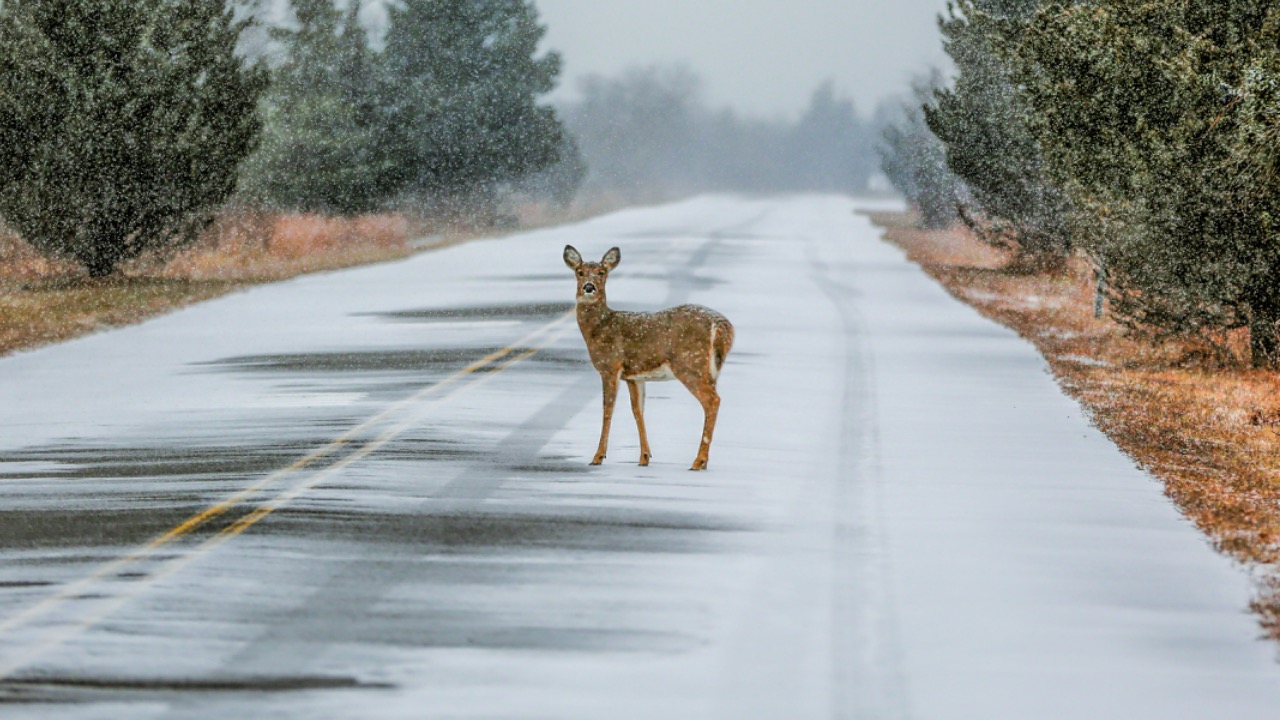
The first thing I do when a deer fills the lane is force myself to breathe and keep my eyes on my escape path, not on the animal. That matches the advice to Stay Calm And before anything else. If you fixate on the deer, your hands will follow your eyes and you are more likely to yank the wheel into oncoming traffic or a ditch.
Staying calm is not about being brave, it is about buying half a second of clear thinking. In that half second you can decide whether you have room to scrub speed in your lane, or whether you are already committed to impact. For your passengers, that mental reset is the difference between a controlled hit and a panicked overcorrection that rolls the vehicle.
2. Get hard on the brakes, never on the gas
Once I know a strike is coming, I stand on the brake pedal in a straight line. Physics is on your side here, because impact energy rises with the square of speed, and forum users like Aug have walked through why even a small speed reduction sharply cuts the force of the hit. Stopping completely may be impossible, but every mile per hour you shed reduces the violence of what happens next.
I never accelerate into a deer, no matter what campfire myths say. Adding speed only increases the load on your windshield, roof, and occupants when the animal comes up over the hood. For anyone in the front seats, especially kids in boosters, that extra energy can be the difference between a cracked bumper and a fatal intrusion into the cabin.
3. Hold your lane and resist the urge to swerve
After braking, the next instinct I fight is the urge to jerk the wheel. Collision shops that see these crashes daily, like Borgman Collision Center, warn drivers not to swerve because rollovers and head‑ons kill far more people than deer impacts. They have earned the nickname Deer Hit Headquarters by watching what happens when people leave their lane at highway speeds.
I keep the wheel straight, even if that means I know I will hit the animal. Modern crumple zones and airbags are designed for frontal hits, not sideways slides into trees. For everyone sharing the road with you, from the car behind to the family in the oncoming lane, staying in your lane keeps one bad situation from turning into a multi‑vehicle pileup.
4. Use your horn and lights, not wild steering
When there is still a sliver of time, I lean on the horn and work the lights instead of sawing at the wheel. Safety sheets like Ten Safety Driving stress that you should Wear your seat belt, Drive at safe speeds, and use your equipment to warn others. A long horn blast and flashing high beams can snap a deer out of its freeze and also alert the driver behind you that something is wrong.
I avoid high‑beam “strobing” so fast that I blind oncoming traffic, but I will tap them once or twice if the road is clear. The goal is not to herd the deer like livestock, it is to give the animal and nearby drivers one more cue that may prevent a secondary crash. For anyone cresting a hill behind you, those lights can be the only warning they get.
5. Keep the car balanced and avoid sudden lane changes
As I brake, I focus on keeping the vehicle settled, because a light, unbalanced car is much easier to flip. Road safety guidance such as Here warns that a hard swerve can cause you to “flip your vehicle,” and investigators have documented crashes where that is exactly what happened. A rollover at 55 miles per hour is far more likely to kill you than a glancing blow with a whitetail.
I keep both hands on the wheel at nine and three, let the anti‑lock brakes work, and avoid yanking the car into the shoulder unless I am sure it is flat and clear. For anyone towing a boat or camper, that smooth, straight‑line braking is even more critical, because a trailer that starts to fishtail can drag the tow vehicle into a jackknife in a heartbeat.
6. Aim for a glancing blow if you have room
If there is a little space and time, I will sometimes “aim small” toward the rear of the deer to turn a square hit into a glancing one. Insurance guidance notes that Sometimes, hitting a, even when you do everything right, so the goal becomes managing how you hit. Clipping the hindquarters instead of center mass can keep the animal from coming through the windshield.
I only make that kind of micro‑adjustment if I can stay in my lane and keep the car stable. Swinging wide to “miss” the deer and catching a mailbox, culvert, or oncoming SUV is a bad trade. For your passengers, a controlled, off‑center impact is still violent, but it is far less likely to crush the roof or shear off a door.
7. Expect more deer and stay defensive after the hit
Once contact happens, I assume there are more animals behind the first one. Data from the Highway Loss Data shows that animal‑related claims spike in the fall, when deer move in groups and cross at dawn and dusk. If you hit one, there is a good chance a second or third is about to follow the same path across the pavement.
I keep my foot on the brake, check the mirrors, and get ready for another impact from either direction. For anyone behind you, your steady speed and brake lights give them a chance to react to the herd instead of plowing into your bumper while staring at the carcass in the road.
8. Move to a safe place and secure the scene
As soon as the car is controllable, I steer to a safe shoulder or driveway and flip on the hazards. Insurance guides on what to do after a strike tell drivers to Move to a and then call for help, rather than stopping in a live lane. I also set out triangles or flares if I have them, especially on narrow two‑lane roads where sightlines are short.
Once everyone is out of harm’s way, I check for injuries, call 911, and contact my insurer when it is practical. Law enforcement bulletins like What To Do after You Hit a Deer emphasize warning other motorists to avoid additional collisions, and that is how I think about it too. Your truck is already damaged; your job now is to keep a bad night from turning into a chain‑reaction crash.

Asher was raised in the woods and on the water, and it shows. He’s logged more hours behind a rifle and under a heavy pack than most men twice his age.