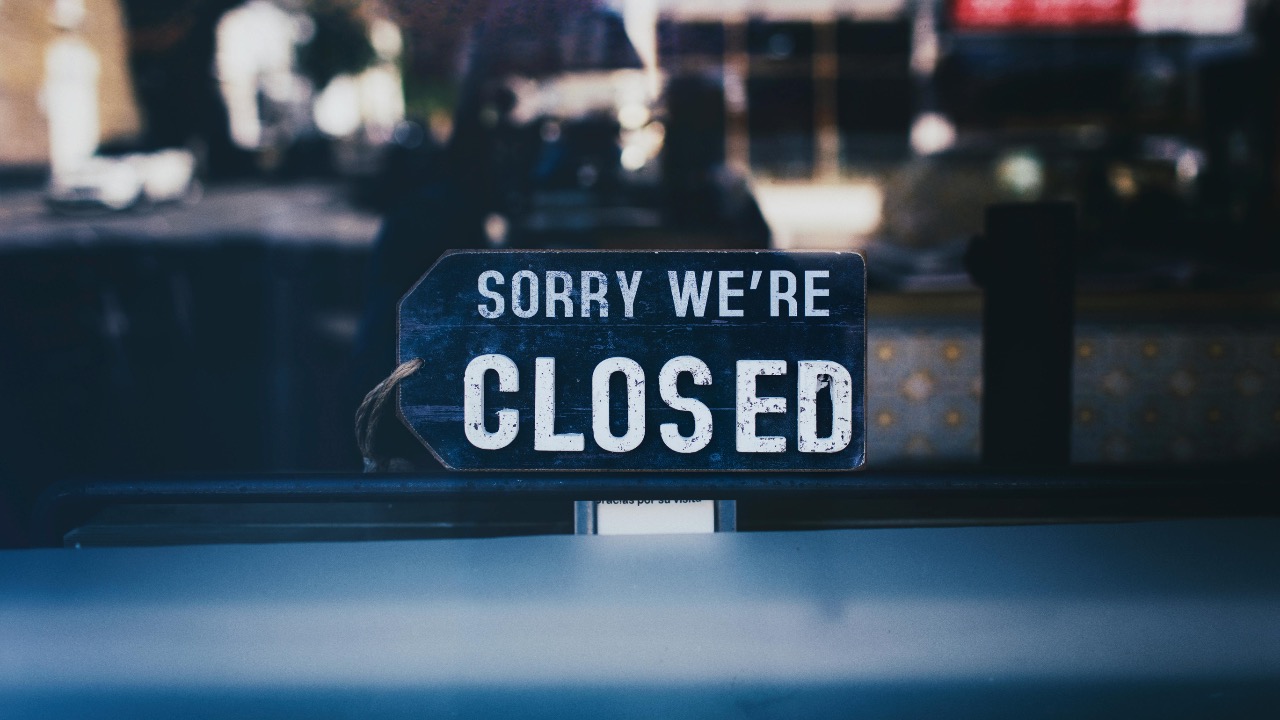
Major retailers plan widespread store closures across the U.S.
America’s brick-and-mortar sector is bracing for another year of aggressive retrenchment as big-box chains, department stores, and restaurant giants prepare to shutter locations across the country. After a wave of closures in 2025, retailers are signaling that 2026 will bring another round of consolidation that will reshape malls, main streets, and neighborhood shopping centers.
Behind the “retail apocalypse” headlines lies a slower structural reset. Companies are trimming weaker stores, leaning into e-commerce, and trying to protect profits in the face of stubbornly high costs and shifting consumer habits.
The scale of the reset
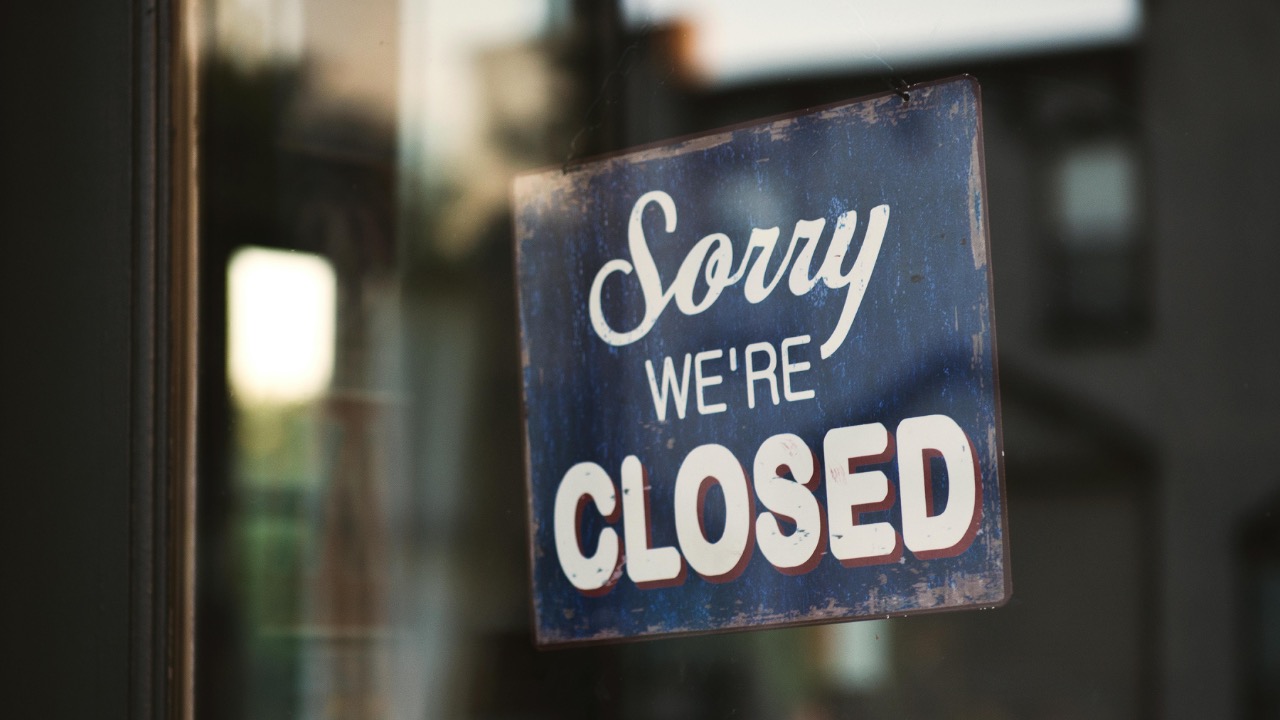
Industry analysts describe the current shakeout as a “Retail Reset,” with projections that roughly 15,000 locations could close in a single year. That figure, tied to The Great Retail Reset, Navigating the Store Closures of 2026 and its Introduction to the Retail Reset, captures both national chains and smaller banners that have struggled to adapt.
Earlier analysis from About Coresight Research pointed to about 15,000 expected store closures in 2025, based on its own review of announced plans. That kind of volume is already straining some communities that rely on retail corridors for sales tax revenue and local employment.
Looking further out, UBS has warned that the United States could see between 40,000 and 50,000 store closures nationally over the next five years, a forecast that has been widely cited in coverage of the “retail apocalypse.”
Department stores under pressure
Traditional department stores remain at the center of this contraction. Macy is in the middle of closing about 150 of its namesake stores across the country by early 2027, a plan that stretches through 2026 and is meant to prune weaker locations while investing in higher-performing malls and digital operations.
Separate reporting on store lists for 2026 notes that Macy has plans to close 150 locations through 2026 as part of a broader effort to focus on top-performing stores and online growth. For shoppers, that means some long-standing anchors will vanish from regional malls, often taking foot traffic with them.
The shift is visible on the company’s own digital storefront, where Macy’s site increasingly highlights online exclusives, curated experiences, and promotions that steer customers toward digital shopping rather than in-person browsing.
Guides aimed at consumers, such as Feb advisories that start with “Here” and explain how Macy is moving closer to 150 closures, reflect how central these decisions have become to household planning. Shoppers now routinely check closure lists to see whether their local store is on the block.
Discount and specialty chains retrench
Discount retailers and specialty chains are also shrinking their footprints. Earlier this year, Big Lots was described as nearing a potential Chapter 11 bankruptcy filing after October 2023 warnings, and the company announced plans to close nearly 100 stores as it tried to stabilize operations. That kind of retrenchment hits value-focused shoppers who rely on closeout chains for lower-priced essentials.
Other chains highlighted in store closure tallies include party supply specialists, off-price brands, and smaller apparel labels. Lists of 13 retailers that are closing stores in 2026, including grocery stores, point to Ikea, described as the Swedish furniture giant, among the companies fine-tuning their U.S. presence rather than expanding aggressively.
Some of the most dramatic decisions involve heritage brands. The North American operator of Eddie Bauer is closing all of its brick-and-mortar locations as part of ongoing bankruptcy proceedings, ending a 106-year store legacy and leaving outdoor shoppers to rely on online channels or competitors.
Fast food chains join the closure wave
The shakeout is not limited to retailers that sell goods. Restaurant chains are also shrinking. Mar reporting on Key Points for 2026 notes that Wendy, Pizza Hut, and Papa John plan to close at least 200 locations each in 2026, for a combined total of more than 600 restaurants.
Those closures are being driven by inflation, labor costs, and intense competition in quick-service dining. Additional coverage has flagged that some of these moves could affect more than 8,000 workers, including reports that Wendy’s could shut down over 300 locations in 2026, although exact figures vary by chain and region.
For many communities, a fast-food outlet is both a major employer and a visible sign of commercial activity. When several brands pull back at once, it can leave darkened drive-thrus at prominent intersections and reduce late-night food options for local residents.
From 2025’s closures to 2026’s acceleration
The current wave builds on an already heavy year of shutdowns. Reports on 2025 activity found that more than 8,000U.S. chain stores closed that year, a figure that helped popularize “retail apocalypse” language. Two big-name retailers had already announced large-scale closures by that point, signaling that the trend was not confined to marginal players.
Parallel coverage has described “over 15,000 popular stores closing” and quoted a press release that opened with “Inflation and a growing preference among consumers to shop online to find the cheapest deals took a toll on brick-and-mortar retailers.” That framing captures the twin pressures of higher operating costs and customers who now default to price comparisons on their phones.
As 2026 begins, the pipeline of announced closures suggests that the pace could match or even exceed last year’s totals. Analysts tracking The Great Retail Reset, Navigating the Store Closures, have built dashboards of affected locations, including data surfaced through Discovered links on maps, Facebook, X, and LinkedIn that help merchants understand neighborhood-level impact.
Nearly 300 closures already on the books
Consumer-facing tallies have identified nearly 300 retail stores across the U.S. that are already set to close in 2026. Those lists, often illustrated with an image of shuttered storefronts, highlight how retailers are pruning underperforming outlets in apparel, home goods, and specialty categories.
Additional Discovered references to nearly 300 closures appear across related resources, including brand pages on ConsumerAffairs brands, account portals at accounts, and search preferences on Google. A separate Discovered list of stores closing in 2026 on Business Insider tracks many of the same chains, while coverage of Wendy’s plans to shut down over 300 stores in 2026 appears on MSN.
Local news feeds amplify those national lists with neighborhood-specific angles. A post labeled Major retailers plan sweeping store closures, shared on Facebook, points residents to specific shopping centers where anchor tenants are leaving.
What it means for workers and shoppers
Store closures carry obvious risks for employees, from job losses to reduced hours. When chains like Wendy’s, Pizza Hut, and Papa John close at least 200 locations each, or when a company like Eddie Bauer exits physical retail entirely, thousands of workers must scramble for new roles in a labor market that is itself shifting toward gig and service platforms.
The impact on shoppers is more uneven. Some consumers welcome a greater emphasis on e-commerce, especially when brands invest in faster shipping and easier returns. Others, particularly older customers or those without reliable broadband, lose convenient access to essentials when the nearest department store or discount chain shuts its doors.
At the community level, vacant big-box shells can drag down nearby property values and deter new investment. Cities and landlords are experimenting with conversions of former stores into medical offices, logistics hubs, or even schools, but those projects take time and capital that not every market can attract.
How retailers are trying to adapt
Despite the grim numbers, the current wave of closures is not simply a story of decline. Many companies are using it as a chance to reset their strategies. The Great Retail Reset, Navigating the Store Closures, encourages merchants to use data from tools like Discovered maps and social feeds to identify which locations can support omnichannel services such as curbside pickup, ship-from-store fulfillment, or in-store returns for online purchases.
Chains that survive this period are likely to be those that treat physical stores as one node in a broader network rather than the primary sales engine. That means investing in mobile apps, loyalty programs, and inventory systems that give customers a consistent experience whether they shop via a smartphone, a laptop, or a remaining flagship store.

Leo’s been tracking game and tuning gear since he could stand upright. He’s sharp, driven, and knows how to keep things running when conditions turn.