The gun people trust — until it fails at the worst moment
You don’t think about failure when you holster a gun you’ve carried for years. Familiar weight, familiar trigger, familiar sound when the slide runs forward—it all builds a kind of quiet confidence. That trust is earned over time at the range, on the trail, or riding in the truck. But trust can get ahead of reality. Parts wear, tolerances stack up, maintenance slips, and even proven designs can choke when conditions turn bad. The hard truth is that the gun you rely on most is the one most likely to surprise you if you stop paying attention. This isn’t about fear—it’s about staying honest with your gear.
The One You’ve Shot a Thousand Times
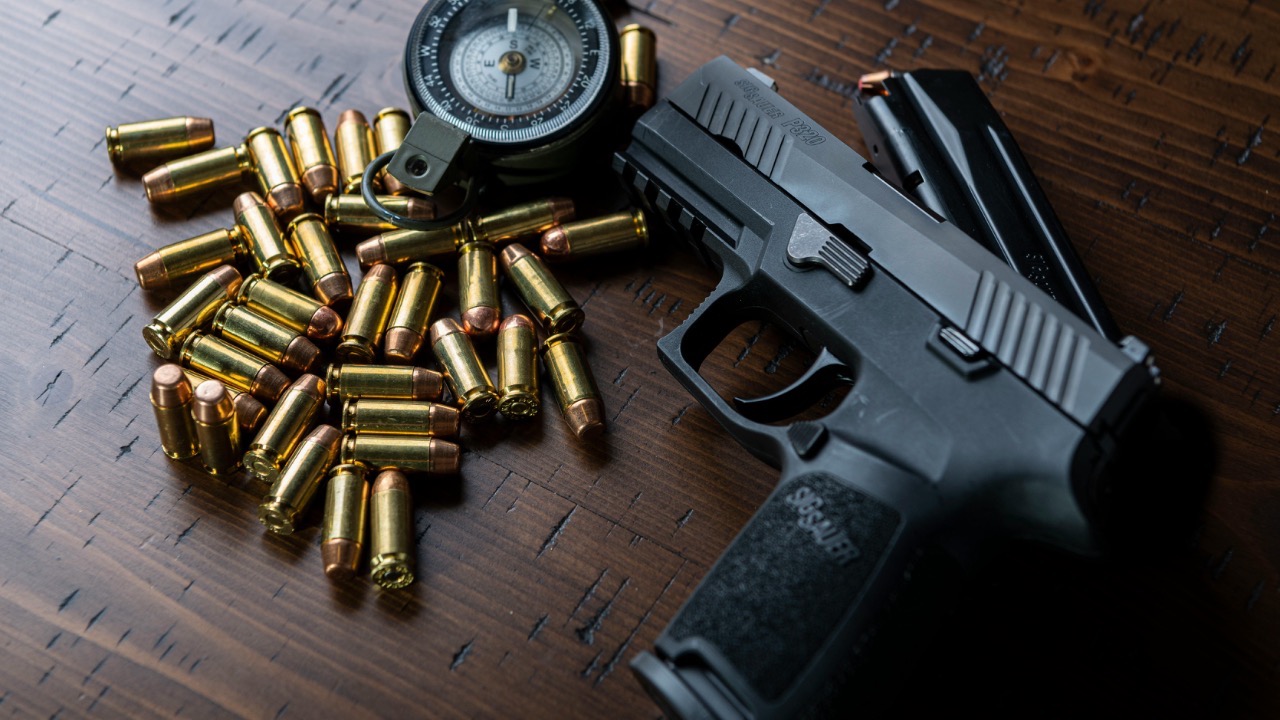
You know this gun like you know your own hands. You’ve burned through case after case of ammo with it, and it’s never given you a reason to doubt it. That kind of track record builds confidence fast. It also makes it easy to overlook small changes—sluggish cycling, weak ejection, or a trigger that doesn’t quite reset the way it used to.
High round counts wear springs, extractors, and magazines. Nothing dramatic, just slow drift. Then one day, under stress or in bad weather, that drift catches up. The fix isn’t complicated: track your round count, replace wear parts on a schedule, and keep a few fresh magazines in rotation. Reliability isn’t a lifetime achievement—it’s ongoing work.
The Gun That “Ate Everything”
Every shooter has one that seems to run anything you feed it. Steel case, hollow points, old range ammo—it chews through it all without complaint. That reputation can make you careless about what you’re loading, especially when you’re in a hurry or pulling from mixed boxes.
A wide appetite doesn’t mean immunity to bad ammo. Out-of-spec rounds, weak primers, or inconsistent powder charges can still cause failures. Worse, you may not notice subtle warning signs because you expect the gun to keep going. The smart move is to vet your carry or hunting load separately and stick to it. Practice ammo is practice ammo. When it matters, consistency beats convenience.
The One That Rides With You Every Day
A daily carry gun lives a hard life. Sweat, lint, dust, temperature swings—it all finds its way inside. You don’t see it building up, but it’s there, working against springs and small moving parts. Over time, it changes how the gun behaves.
The problem shows up when you least expect it: a sluggish slide, a magazine that doesn’t seat clean, or a failure to fire because the firing pin channel is fouled. Regular inspection matters here more than round count. Wipe it down, blow it out, and don’t skip detail cleaning. If it’s on you every day, it needs attention more often than your range gun.
The Backup You Never Shoot
It’s there for peace of mind—a compact pistol in the pack, a revolver in the glove box. You checked it once, maybe twice, and then it sat. Because it’s a backup, it rarely sees the range, and that’s where trouble starts.
Springs take a set, lubrication dries out, and ammo ages in place. You assume it will work because it hasn’t failed, but it hasn’t been tested either. Rotate that gun into your practice sessions. Fire the ammo you carry in it. Replace what you shoot. A backup only earns its keep if you treat it like a primary at least some of the time.
The One You “Improved”
A lighter trigger, new sights, aftermarket internals—there’s nothing wrong with tuning a gun to fit you better. The issue is stacking changes without verifying how they interact. A spring kit that feels great on the bench might not play well with your chosen ammo.
Most problems here show up as timing issues: short stroking, light strikes, or erratic ejection. They can be intermittent, which makes them easy to ignore until they’re not. After any change, run a proper function test and a meaningful number of rounds. If you can’t prove it under varied conditions, you haven’t improved it—you’ve introduced a variable.
The Magazine You Keep Reaching For
Magazines are the weak link more often than the gun itself. You tend to favor the same few because they’ve worked before. Over time, those get dropped more, loaded more, and worn more than the rest.
Feed lips spread, springs weaken, and followers tilt. The gun takes the blame when feeding issues start, but the magazine is usually the culprit. Mark your mags. Cycle them. Retire the ones that start acting up instead of giving them “one more chance.” It’s a cheap fix compared to chasing ghosts in the pistol.
The Gun That Passed the “Quick Check”
A couple mags at the range, everything ran, and you called it good. That’s a common routine, especially when time is short. The problem is that quick checks don’t reveal how a gun behaves when it’s dirty, hot, or fed from different positions.
Reliability shows itself over longer strings and less-than-ideal conditions. Shoot it cold, shoot it after it’s been sitting, and shoot it when it’s fouled. Mix in reloads and awkward grips. You’re looking for consistency, not a clean bill of health after a short outing. If it only works when everything is perfect, it’s not as dependable as you think.
The Old Favorite That Never Gets Replaced
There’s a reason you keep it around—it’s served you well. Maybe it’s a revolver that’s ridden in your pack for years or a pistol that’s seen more seasons than you can count. Sentiment is part of the equation, and that’s fine.
But time catches up with materials. Springs lose tension, small parts wear, and even well-built guns drift out of spec. A checkup from a competent smith can bring it back, or at least tell you what it needs. Keeping an old favorite running isn’t about nostalgia; it’s about respecting what it takes to keep it reliable today.
Trust your gear, but don’t let that trust go untested. The guns you rely on most deserve the most attention. Stay ahead of wear, keep your ammo consistent, and prove your setup under conditions that aren’t ideal. That’s how you make sure the gun you count on doesn’t let you down when it matters.

Asher was raised in the woods and on the water, and it shows. He’s logged more hours behind a rifle and under a heavy pack than most men twice his age.