I tested a popular gun-cleaning shortcut — and learned the hard way
Gun owners love shortcuts, especially ones that promise to clean and lube a firearm in a few quick passes. The wrong shortcut, though, can turn a reliable pistol or rifle into a jam-prone liability and quietly eat away at metal, finish, and accuracy. The story behind one popular cleaning hack shows how a small time-saver can collide with basic physics, chemistry, and what professional armorers have warned about for years.
From improvised lubricants to aggressive scrubbing, the habits that feel efficient often line up almost perfectly with the list of mistakes gunsmiths see on the bench. Once those habits spread through YouTube clips, forum threads, and range talk, they start to look like common sense instead of the risky workarounds they really are.
How a “quick clean” shortcut goes wrong
Many shortcuts begin with the same setup: a shooter comes home tired from the range, finds the proper cleaning kit half empty, and reaches for whatever multipurpose spray is in the garage. General-purpose products that were designed for water displacement and light soil removal, such as the well known water-displacing formulas described on myths and facts pages, are often pressed into service as cleaners, degreasers, and lubricants in one step.
At first glance, the gun seems cleaner. Powder residue wipes away, the slide looks glossy, and the action feels slick when cycled by hand. The problem is that many of these sprays leave behind a thin film that attracts dust and unburned powder, then slowly evaporates and leaves metal with less real lubrication than before. Detailed guidance on whether a product like WD-40 Multi-Use is suitable for firearms notes that using WD-40 on can displace moisture in the short term but also gum up and fail under heat and pressure when a firearm is actually fired.
That shortcut tends to fail in two stages. First, residue and the leftover film combine into a sticky paste that settles in tight clearances around the firing pin channel, extractor, and feed ramp. Then, when the gun is fired hot or carried for long periods, the thin carrier in the spray flashes off or migrates away, leaving dry friction where the shooter expects lubrication. The result is a firearm that feels smooth on the bench but starts to misfeed or light-strike on the range.
What proper cleaning is supposed to look like
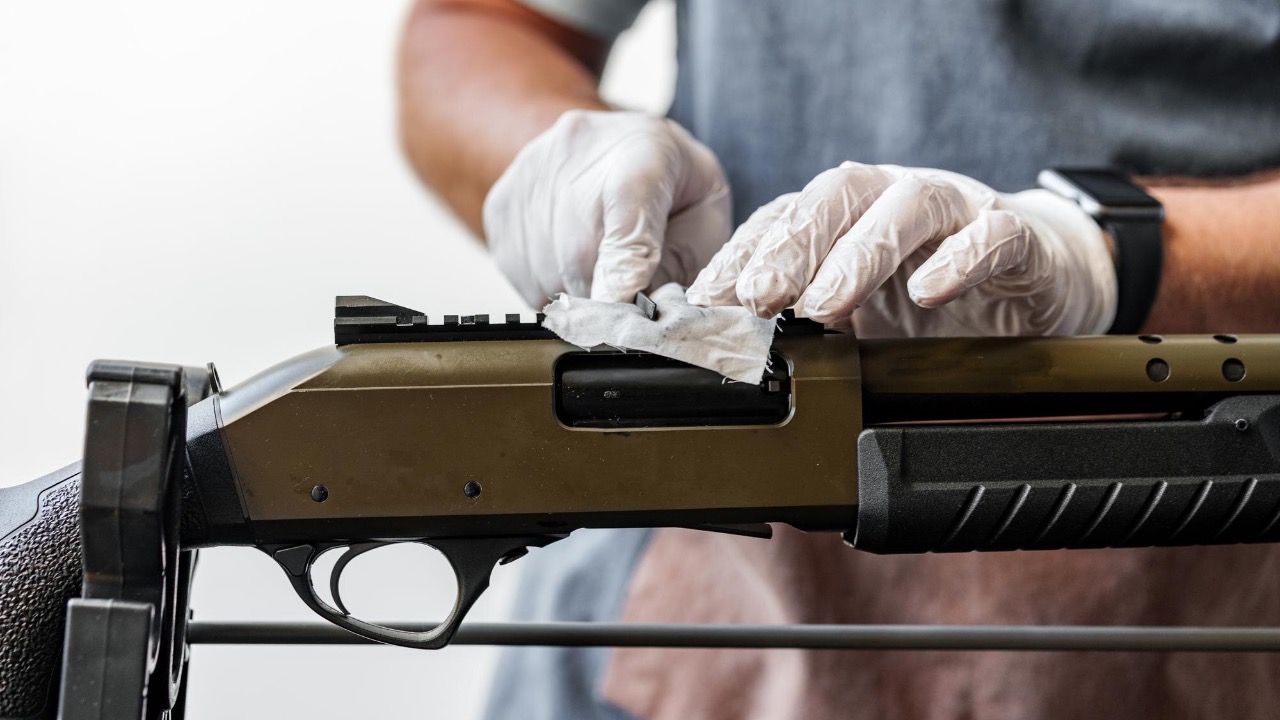
To understand why the shortcut is so tempting, it helps to look at what a basic, correct cleaning routine actually requires. A standard process for a hunting rifle, for example, starts with safe unloading, partial field-stripping, and a methodical pass through the bore from the breech end with a solvent-soaked patch, followed by a bore brush and clean patches until fouling stops appearing. A practical guide for new hunters explains that regular cleaning removes burnt powder, copper, and lead that would otherwise build up and degrade accuracy, and it stresses that a firearm should be fully unloaded and pointed in a safe direction before any work begins, as outlined in a beginners guide to.
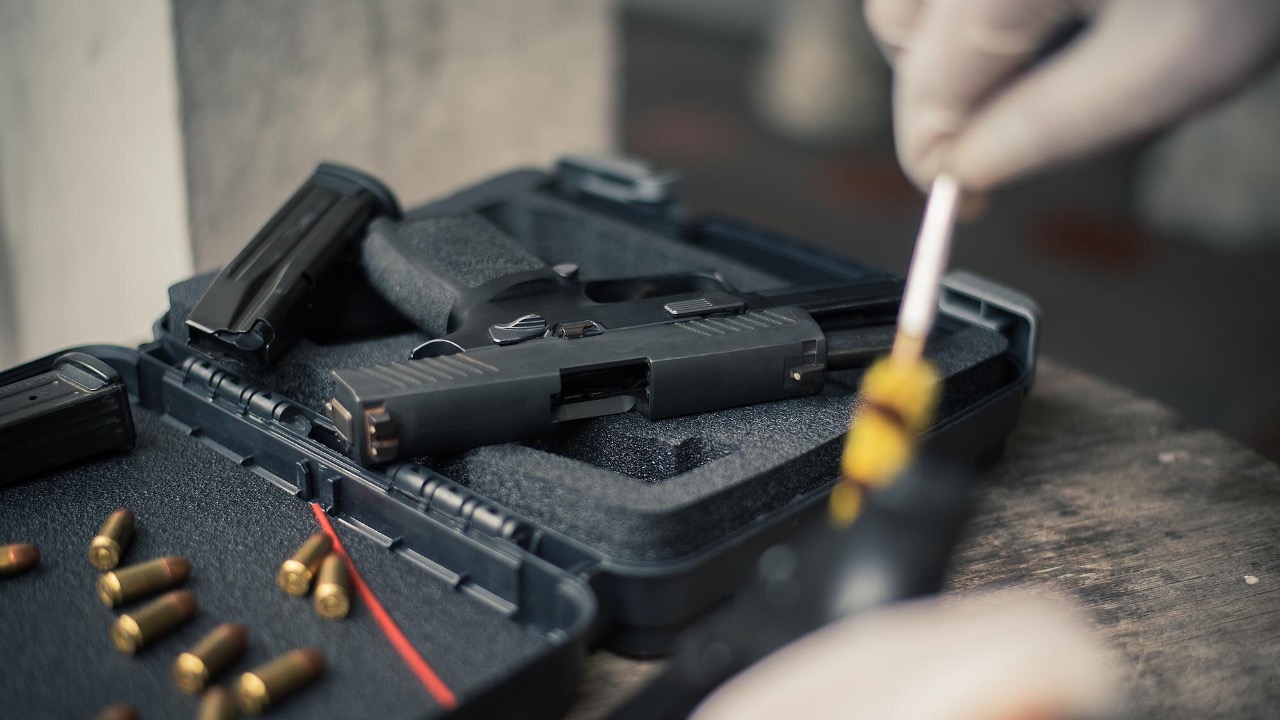
For handguns, manufacturers and training schools typically recommend a similar pattern. The shooter locks the slide back, verifies an empty chamber and magazine well, then removes the slide and barrel. A dedicated bore solvent is applied to a brush, which is pushed through the barrel several times, followed by patches until they come out relatively clean. Factory instructions for models like the Stance XR describe how to apply solvent to and run it through the bore multiple times, then lightly oil the barrel and key contact points.
This process is not glamorous, and it takes more time than a single blast of aerosol. It also avoids two hidden problems in the shortcut: using the wrong chemical for the job and skipping the mechanical work of brushing and patching that actually lifts fouling out of microscopic pores in the steel.
The WD-40 temptation and what experts say
WD-40 Multi-Use sits in garages, truck beds, and toolboxes across the country, so it is often the first product a new gun owner reaches for when a dedicated oil bottle runs dry. Marketing over the years has encouraged the idea that it can do almost anything, from freeing bolts to quieting squeaks. Detailed firearm-focused analysis of this product explains that its formula is designed around water displacement and light cleaning, not long-term lubrication under high heat and pressure, and that using WD-40 on can cause residue to gum up moving parts and potentially fail when a defensive firearm is needed most.
Professional gunsmiths and armorers echo that warning with real-world examples. They describe firing pins stuck in congealed spray, shotgun actions that cycle sluggishly in cold weather, and triggers that feel gritty even after a fresh application of aerosol. The core issue is that WD-40 Multi-Use is not a dedicated gun oil or high-temperature grease. It can help with short-term moisture control, for example after a wet day in the field, but it does not replace a proper solvent and lubricant system designed for the pressures inside a chamber and bore.
Specialized cleaning kits for platforms like the AR-15 highlight this difference. They recommend a true gun solvent for carbon and copper, patches and brushes sized to the bore, and a lubricant that can withstand the heat and shear forces generated when rounds are fired in rapid strings, while warning that standard household cleaners do not hold up to those conditions.
Common cleaning mistakes that magnify the damage
Even when a shooter avoids general-purpose sprays, other shortcuts can quietly harm a firearm. A detailed list of 6 common mistakes points out that over lubrication is one of the last and most important steps where things go wrong. Adding lubricant everywhere, especially in large quantities, can trap debris, create sticky sludge, and migrate into areas like the firing pin channel where oil is not intended to be.
The same source also warns about Applying Too Much during cleaning. Even though firearms are durable tools that are designed to contain thousands of micro-explosions from within the chamber, aggressive scrubbing with the wrong rod or brush can damage the crown of the barrel, which in turn harms accuracy. Steel brushes or rods that are harder than the barrel steel can scratch rifling, especially if they are pushed from the muzzle instead of the breech.
Other guides on cleaning pitfalls reinforce the same themes. A detailed breakdown of common mistakes to warns that using incorrect techniques and excessive force can damage surfaces and shorten a gun’s longevity and performance. It also highlights the risk of incomplete cleaning, where a shooter wipes visible surfaces but leaves carbon packed into the chamber, locking lugs, or gas system.
Professional commentary on rifle maintenance adds that improper cleaning can ruin rifling if a shooter repeatedly drags dirty brushes and rods back and forth without care. One match-focused routine notes that Improper cleaning can, since the helical grooves machined in the barrel’s internal surface run from breech to muzzle and are vulnerable to abrasion and embedded grit.
The YouTube effect and the Hickok45 debate
Shortcuts do not spread in a vacuum. Online personalities with large audiences demonstrate cleaning methods that range from meticulous to minimalist, and viewers often copy what they see without reading the fine print in their own manuals. One Reddit discussion about a well known YouTube host’s cleaning routine shows how divided the community can be. In that thread, users debate Hickok45’s gun cleaning, with some arguing that his light-touch approach works because he shoots often and maintains his guns regularly, and others warning that new owners should not treat his routine as a universal template.
Experienced shooters in that conversation stress that context matters. A high-volume range gun that is inspected and cleaned frequently can tolerate a different schedule than a carry pistol that spends weeks in a holster, exposed to sweat and lint, then may be called on in a life-or-death situation. A viewer who sees a quick spray-and-wipe method on video might not realize that the host has already done deeper maintenance off camera or that the specific firearm has looser tolerances than a match-grade rifle.
Professional gunsmiths interviewed in other guides echo that concern and recommend that owners follow the manual for their specific model, not a generic internet routine. One experienced technician in a video on cleaning mistakes warns against steel brushes that can scratch and mar a firearm’s finish and instead recommends softer materials and purpose-built tools, advice that aligns with broader warnings about steel brushes and during cleaning.
How shortcuts show up on the bench
For gunsmiths, the signs of shortcut cleaning are familiar. Shotguns arrive with actions packed with a gray paste of old oil and powder. Semi-automatic pistols show light firing pin strikes because dried spray has turned to varnish inside the channel. Precision rifles that once grouped tightly now scatter rounds because the crown has been dinged by an aluminum rod pushed from the muzzle.
One detailed maintenance overview for sporting shotguns notes that Jams can be, but they usually are the result of poor maintenance. An accumulation of powder residue mixed with gun oil can gum up the works and cause failures to feed, fire, or eject. The same pattern shows up in handguns, where range officers see stoppages that trace back to neglected cleaning or the wrong kind of lubricant.
Basic handgun maintenance guides explain that when a gun is not cleaned, all the gunpowder, small fragments, and even dirt build up over time. Any of these can cause malfunctions or even dangerous failures, and several common problems can happen due to poor gun maintenance, as summarized in a step-by-step explanation of lasting performance and reliability.
Rifle accuracy workups tell a similar story. A guide to maximizing precision advises shooters to avoid full disassembly unless necessary or familiar with the process, and to start barrel cleaning from the breech with a proper rod and patch, warning that careless work can harm the crown and rifling. It specifically recommends that owners Avoid full disassemblyunless needed and instead focus on correct technique through the barrel using a cleaning rod.
What the pros recommend instead of shortcuts
Across guides, videos, and gunsmith interviews, a few consistent themes emerge for anyone tempted by a fast fix. First, use tools and chemicals that are designed for firearms. A detailed breakdown of Gun Cleaning Tools lists non-metallic cleaning rods, nylon or bronze brushes, and dedicated solvents as the right starting point, while warning against household cleaners and improvised gear that can scratch or react poorly with gun finishes.
Second, less lubricant is usually better than more, as long as it is applied in the right places. The same mistake list that warns about over lubrication recommends a light film on rails, locking lugs, and other high-friction surfaces, and almost no oil in areas where it can pool and attract debris. Another set of essential tips emphasizes that regular, moderate cleaning keeps a firearm in good condition and operating as intended without the need for harsh scrubbing sessions.

Leo’s been tracking game and tuning gear since he could stand upright. He’s sharp, driven, and knows how to keep things running when conditions turn.