The hidden risks of relying on the wrong self-defense setup
Most people who buy a gun, knife, or pepper spray believe they are reducing their risk. In reality, the wrong self-defense setup, used with the wrong expectations, can make a dangerous moment worse, not better. The gap between what people think their gear will do and what it can safely deliver is where hidden risks live.
The stakes are not abstract. A poorly chosen weapon, carried without training and with shaky legal understanding, can increase the chance of injury, escalate minor conflicts, and even lead to criminal charges. The real measure of a self-defense plan is not how intimidating it looks in a mirror, but how it performs under stress, within the law, and in the messy chaos of real life.
False confidence: when gear feels safer than it really is
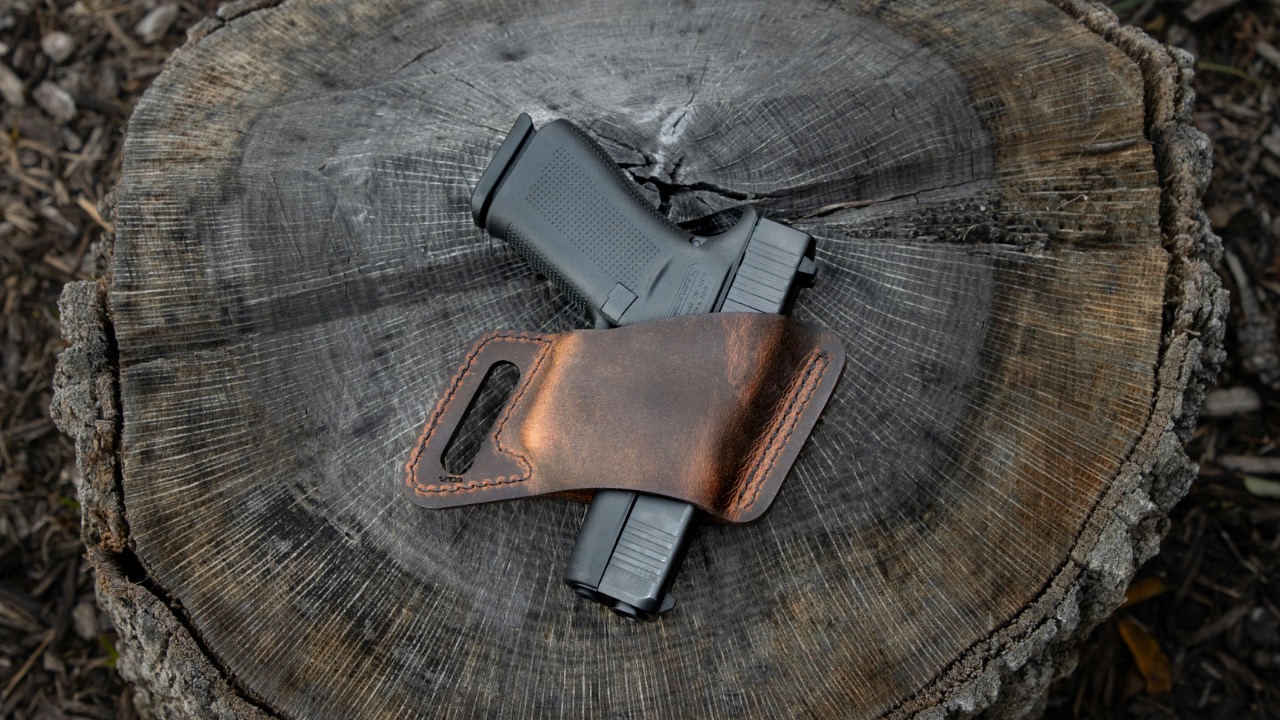
One of the most dangerous side effects of a bad self-defense setup is psychological. Many people feel safer the day they clip a new knife into a pocket or holster a pistol, even if they have never trained with it. That sense of security can be disconnected from reality, a classic example of the Dunning Kruger pattern described in a self-defense context by Jul, where limited skill produces inflated confidence.
False confidence is not just a mindset problem; it changes behavior. People who believe their gear makes them safe are more likely to walk alone at night, ignore uneasy instincts, or confront someone instead of disengaging. The same analysis on false confidence explains that simply carrying a tool can make someone feel prepared even when they lack the skills to use it under pressure.
When stress spikes, fine motor skills deteriorate and tunnel vision sets in. Without realistic training, the person who once felt invincible can fumble a safety, drop a knife, or spray themselves in the face with their own pepper spray. The same source warns that when things go wrong, the risk of mishap rises significantly and the tool that was supposed to protect can become a liability.
Skill and training gaps: what the gear cannot fix
A hidden flaw in many self-defense plans is the assumption that hardware can compensate for a lack of practice. A compact pistol, a tactical folding knife, or a high-strength stun device all demand specific skills. Without repetition, those skills do not appear under stress. Instructors who work with realistic training knives have noted that students who perform “beautifully” with wooden or rubber blades often fall apart when the drills are made more chaotic, a point highlighted in a discussion that asked why so many people avoid training despite clear personal risk and was shared in Mar.
Skill gaps show up differently depending on the tool. With firearms, shooters who only practice slow fire on a static range may never have cleared a malfunction at speed. A technical breakdown of .22 LR handguns notes that with a semi automatic, both a failure to fire and a failure to feed create stoppages that must be manually cleared before the gun can work again, an issue that is especially common with lower quality ammunition according to Nov. Owners who never practice those clears are betting their safety on a perfect mechanical performance that may not arrive.
Even nonlethal tools demand practice. A detailed breakdown of common mistakes points out that people frequently carry pepper spray they have never actually tested or practiced using, which means they may not know the spray pattern, effective range, or how wind will affect it. That same guidance warns that misuse can result in self contamination and being left defenseless when seconds matter, a scenario described in a section on misuse that starts with “Mistake: Carrying pepper spray” in Using Force That.
Legal traps: when “self-defense” ends in handcuffs
Another hidden risk is legal, not tactical. Self-defense law is full of nuance, and a setup that encourages overreaction can land an otherwise law abiding person in court. One legal guide explains that self-defense is the fundamental human right that allows for the use of force to protect against threats, but it also answers the blunt question of whether someone can go to jail for self-defense with a clear yes, depending on how the force is used and the surrounding facts, in a section titled Self.
Misjudging how much force is legally justified is a recurring problem. A detailed list of common mistakes highlights that using force that does not match the threat is one of the fastest ways to end up in court. That analysis, organized under “1. Using Force That Doesn’t Match the Threat. One of the,” notes that disproportionate responses are a direct path to prosecution, especially when a weapon is introduced into what began as a minor confrontation, as described in Jun.
Jurisdiction specific rules add another layer. A legal overview focused on Texas explains that while self-defense laws exist to protect individuals, misusing them can have serious consequences. The section titled Consequences of Misusingdescribes how misapplied claims of self-defense can lead to criminal charges and legal liabilities, even when the person involved believed they were acting lawfully.
Legal professionals who handle defensive gun use cases stress the same point in more informal settings. One widely shared explanation of “dos and don’ts” bluntly states that if someone does self-defense wrong, they go to jail, and that this is a recurring reality in their caseload, as discussed in Jan. The wrong setup is the one that tempts a person to draw or use force in situations where the law expects de escalation or retreat.
Matching force to threat and the use of force continuum
Good setups are built around a clear understanding of how force should escalate. A widely used framework, the Use of Force Continuum, starts with Level 1 presence and verbalization, which focuses on situational awareness and verbal communication before any physical response. This structure is described in detail, including Level 1, in a guide on when someone can legally draw a gun that explains the Use of Force.
Many high profile mistakes occur when people skip these early levels. Instead of using posture, distance, and words to defuse a situation, they jump straight to weapons. A breakdown of common self-defense errors notes that firing a warning shot, something many gun owners think is a safer, less lethal choice, is often interpreted by the law as the use of deadly force and can be extremely dangerous. That same analysis emphasizes that this instinctive move, described with the phrase “Many gun owners think” followed by “Unfortunately,” can backfire badly, as explained in Many.
Understanding proportionality also means recognizing the limits of certain calibers and platforms. The discussion of .22 LR reliability points out that while the cartridge can be lethal, its tendency toward failures in semi automatic pistols raises questions about whether it can be trusted for defensive use without rigorous testing and high quality ammunition, as detailed in Nov. A setup that relies on marginal equipment for a life and death role blurs the line between reasonable and reckless.
Mechanical reliability: tools that fail when needed most
Mechanical reliability is another hidden fault line. A weapon that works on a clean indoor range can choke in the dust and adrenaline of a real incident. A review of home defense firearms warns that selecting a reliable firearm for household protection requires careful evaluation of mechanical simplicity and consistent performance, and that hardware is only one layer, since situational awareness remains the foundation of security, as described in an analysis that begins with Selecting.
Knives and impact tools bring their own mechanical and handling problems. A detailed look at knife carry identifies safety concerns such as accidental injury to oneself or others during everyday carry or training, and the risk of weapon retention failures where an attacker gains control of the blade. These points appear under “Safety Concerns” with bullet points that mention Accidental injury and weapon retention risk.
Nonlethal tools can also fail in predictable ways. A training focused breakdown of self-defense gear warns that people rarely use guns in self-defense and that many self-defense tools can create a false sense of security if they are not backed by realistic practice and an understanding of their limitations. The same resource includes a table titled Potential Risks ofthat lists different tools, recommended training, and potential risks, underscoring that hardware choice is only half the equation.
Civil, criminal, and ethical fallout
The risks of a poor setup do not end when the physical threat stops. A detailed legal analysis of defensive tools explains that civil and criminal liability concerns are a constant shadow. It notes that someone can face criminal charges, civil lawsuits, or both, depending on how they used a self-defense tool and where the incident occurred, in a section that focuses on Key Takeaways about liability.
Ethical questions also shape how responsible instructors and companies talk about gear. A review of self-defense tools highlights the potential for escalation and unintended consequences, describing how introducing a weapon into a confrontation can turn a minor incident into a serious violent encounter. The section labeled Potential for Escalationargues that tools should be chosen and carried in ways that provide protection without escalating violence.
There is also a broader mindset risk. A discussion of survival psychology describes a phenomenon where people underestimate the likelihood of disaster and overestimate their ability to cope with it. This pattern, described as the most dangerous threat to a survival mindset, encourages complacency and overconfidence, as outlined in Most Dangerous Threat. When combined with a poorly chosen self-defense setup, that mindset can be deadly.
Common setup mistakes that increase danger
Across firearms, knives, and nonlethal tools, several recurring mistakes show how the wrong setup can backfire. One is assuming legality without verification. A list of common errors warns that failing to confirm whether a defense weapon is legal in a given jurisdiction can lead directly to charges, and it flags this under the same section that begins “1. Using Force That Doesn’t Match the Threat. One of the,” in Match the Threat.
Another mistake is relying on gear marketing rather than realistic performance. A training centered brand that sells self-defense tools still stresses that people rarely use guns in defensive situations and that untrained carriers often misuse tools entirely. The same resource points out that some buyers select tools that are too complex for their skill level, or that require fine motor skills that vanish under stress, as discussed in Self.
Social and digital blind spots add to the danger. The brand that publishes the analysis of false confidence maintains active presences across platforms such as Discovered, Dangers of False, and Self Defense, and offers account access through portals like account.divasfordefense.com and Self Defense. That ecosystem reflects a broader trend: people often build their self-defense plans from social media snippets and product pages instead of structured training, which can reinforce the very false confidence those educators warn against.

Leo’s been tracking game and tuning gear since he could stand upright. He’s sharp, driven, and knows how to keep things running when conditions turn.