The calibers shooters overlook until they actually try them
Most shooters cluster around a few familiar chamberings, then quietly discover later that some of the “weird” or unfashionable calibers shoot flatter, hit harder, or fit their real-world needs better than the big-name options. The cartridges that get dismissed in gun shop talk often turn out to be the ones that shine once someone actually puts them on paper or in the field. This survey looks at those overlooked rounds and why they tend to stay in the shadows until a shooter finally gives them a fair try.
Why some calibers stay underrated
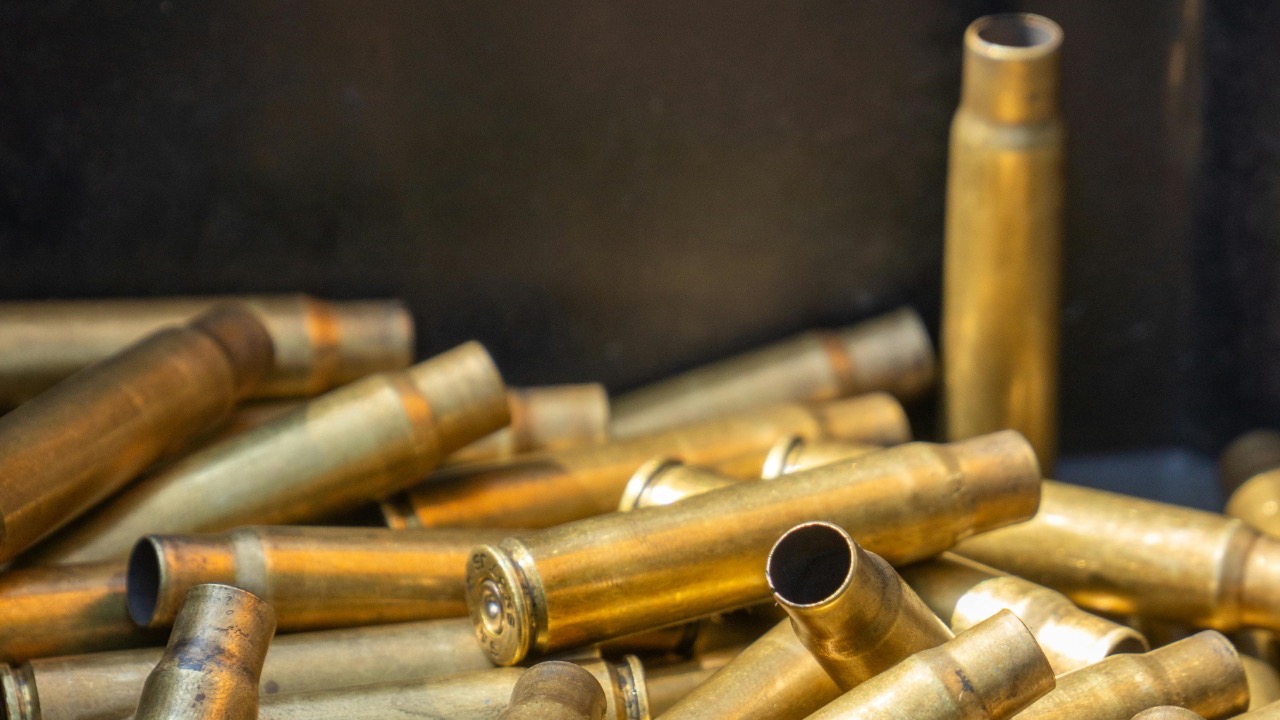
Rifle and handgun communities often treat caliber choice as a referendum on skill or seriousness. Popular online debates about deer rifles show how quickly shooters blame “poor marksmanship” when performance disappoints, even when a discussion of underrated rifle calibers points instead to incorrect bullet selection and over-optimistic expectations at extreme distance rather than any flaw in the cartridge itself, as one Dec thread makes clear. That instinct to criticize the shooter, not the setup, helps keep certain chamberings pigeonholed as “weak” or “obsolete” when they are simply misapplied.
Culture also plays a role. A short video contrasting TACTICS and LOGISTICS, shared in late Nov, skewers how Amateurs love to sit around the table and talk about “cool-guy” plays while ignoring the boring realities of supply, training time, and barrel life, a point that translates directly to caliber choice in a clip on TACTICS vs LOGISTICS. Shooters gravitate toward rounds that look impressive on social media or in marketing copy, then overlook cartridges that feed reliably, shoot comfortably, and use common components. The result is a market where a few trendy rounds dominate shelf space while efficient workhorses stay in the back row.
6.5 Creedmoor: from controversial to converted
No modern rifle cartridge illustrates the journey from skepticism to acceptance better than 6.5 Creedmoor. Early on, some traditionalists dismissed it as a fad or as a “gamer” round for competition shooters. That reputation began to shift once Hornady refined the design and factory loadings. A detailed discussion of the round’s history notes that Well, Hornady got their hands on it and flipped that stigma on its head, turning 6.5 from a niche experiment into a mainstream choice for hunters and precision shooters, as outlined in a podcast on the 6.5 Creedmoor.
The shift matters because it shows how quickly opinion can lag behind performance. Once shooters tried 6.5 Creedmoor in the field, many saw that a well-designed 6.5 bullet at moderate recoil could match or beat traditional .30 caliber trajectories while remaining comfortable for newer shooters. The cartridge is no longer truly overlooked, but its story is a template for other underrated calibers that might follow the same path from online ridicule to real-world respect.
Classic sleepers: .250 Savage and 8mm Mauser
While 6.5 Creedmoor is a modern success story, some older cartridges quietly deliver similar results without the current hype. A detailed rundown of “hidden-gem” deer cartridges singles out the .250 Savage, listed as 250 Savage, as a prime example of a round that offers mild recoil and efficient performance on medium game for hunters who want a less popular, less cliché option, a point highlighted by Some hidden gems from Honeycutt Creative. For shooters who are recoil sensitive, or who want to introduce younger hunters to centerfire rifles, .250 Savage combines adequate terminal performance with a shooting experience that encourages practice instead of flinching.
Another caliber that sits in the background of modern discussions is the 8mm Mauser, also known as 7.92x57mm. Enthusiasts on one firearms forum describe 8mm Mauser as a strong but underappreciated option for those willing to work with surplus rifles or handloads, as seen in a thread on best calibers that. The cartridge’s reputation is shaped in part by history rather than ballistics. One account of combat in WW2 describes how a soldier named Ray was shot a half dozen times with an 8mm Mauser and survived, a story that shows how anecdote can overshadow the cartridge’s actual capabilities, as recounted in a discussion of why hunters trust older rifle calibers, including the 8mm Mauser story.
For shooters who actually put these rounds on steel or into game animals, .250 Savage and 8mm Mauser often feel like rediscoveries. They offer performance that aligns closely with many modern hunting scenarios, especially inside typical deer distances, yet they rarely appear in big-box marketing or mainstream reviews.
Handgun oddballs that punch above their weight
Rifle cartridges are not the only ones that get overlooked. In handguns, the 41 Magnum occupies a strange middle ground between .357 Magnum and .44 Magnum. A detailed profile of this cartridge notes that the 41 M Magnum was a Ruger Blackhawk with a 6.5 barrel, a combination that gave shooters a powerful yet controllable revolver for field use, as described in a feature on a Ruger Blackhawk. Despite this, 41 Magnum never achieved the mainstream status of .44 Magnum, in part because ammunition options stayed limited and the market already had a “big bore” hero.
On the defensive side, shooters sometimes overlook classic service calibers in favor of boutique rounds. A detailed guide to handgun cartridges points out that 45s are ideal in certain roles, and that 45 ACP offers the combination of a big bore cartridge and self-loading action. The same analysis notes that the .45 ACP may be controlled by most trained shooters, especially when paired with a full-size pistol, as explained in a discussion of avoiding misapplication of calibers that highlights how 45 ACP works best when matched to the right platform. In practice, that means a shooter who finds 10 mm or magnum revolvers intimidating might shoot 45 ACP more accurately and more quickly, which matters far more than raw energy numbers.
Even 9 mm, which is anything but obscure, can be misunderstood. A video titled The Shocking Truth About 9 mm Ammo explains that the 9 mm is the standard handgun round for countless shooters around the world, yet many users still carry misconceptions about its penetration, expansion, and barrier performance, as laid out in a breakdown of Shocking Truth About Ammo and what manufacturers and trainers Tell You. When shooters understand modern bullet design, they often realize that a widely available caliber like 9 mm, loaded correctly, can outperform more exotic choices in real defensive scenarios.
Multi-caliber flexibility and the 327 Federal Magnum
One reason certain handgun calibers stay under the radar is that they hide inside multi-caliber platforms. A rundown of multi-caliber weapons highlights that shooters should not overlook a firearm that is chambered for .327 Federal Magnum, described there as a very potent round. The same source notes that, Without any conversion, such a revolver will also fire several shorter cartridges, which gives the owner a wide range of recoil and performance options in a single cylinder, as explained in a guide that calls out 327 Federal Magnum and how it works Without extra parts.
For someone who wants one handgun to cover everything from light practice loads to serious defensive or field use, that flexibility is significant. Yet .327 Federal Magnum rarely appears in mainstream handgun debates, which tend to focus on 9 mm, 45 ACP, and 10 mm. Shooters who actually test the round often report that it delivers near .357 Magnum performance with an extra round in the cylinder and a more manageable recoil impulse, a combination that suits compact revolvers carried daily.
Barrel life, logistics, and the 28 Nosler cautionary tale
On the opposite end of the spectrum sit overbore magnums that promise spectacular ballistics at the cost of practicality. A detailed breakdown of calibers that hunters should avoid explains that quickly the 28 Nosler is also tough on barrels, since it burns a large amount of powder and generates intense heat and pressure inside the bore, a warning delivered in a video about why some Feb Nosler chamberings can be a poor choice for typical field use. The same analysis notes that shooters attracted to raw speed often underestimate how quickly such cartridges can erode rifling, especially when combined with long strings of fire.
This is where the earlier point about TACTICS and LOGISTICS returns. A flashy magnum that looks impressive on a ballistics chart might demand frequent barrel replacements, rare brass, and specialized powders. By contrast, an “unexciting” caliber like .308 can be fed from nearly any sporting goods store and has a reputation as the standard of medium to large game hunting. One author notes that 308 will pack a big punch in a human and that most 308 rounds will go through barriers that stop lighter calibers, as described in an author’s guide that emphasizes how Most shooters rely on it for both hunting and barrier penetration. The logistic advantage of such a common round often outweighs the marginal trajectory gains of an overbore magnum.
Modern niche rounds: 300 Blackout and 223 Remington
Some newer cartridges land in a gray zone between practical and trendy. 300 Blackout, for instance, has a devoted following among shooters who want suppressed performance and heavy bullets in short barrels. Yet even its fans acknowledge complications. A discussion on a precision shooting forum describes how 300 Blackout cartridges can accidentally find their way into 223 Remington chambers, a potentially dangerous situation if a shooter does not pay close attention to ammunition, as highlighted in a thread about 223 Remington chambers and how easy it is to climb into the wrong one.
That sort of risk, combined with the need for specific barrel twists and gas systems, keeps some shooters away from 300 Blackout even though it excels in suppressed, short-barreled roles. Meanwhile, 223 Remington remains one of the most common rifle calibers in the world precisely because it balances performance with availability and safety in standardized platforms. The overlooked lesson is that a niche cartridge can be brilliant in its intended context, but only if the shooter understands and respects its boundaries.
Training, expectations, and matching caliber to mission
Across rifles and handguns, the most underrated calibers tend to be those that quietly align with realistic use cases rather than fantasy scenarios. A detailed discussion of caliber selection for deer hunting points out that Some hunters prefer more popular calibers, but others might want a less popular, less cliché option that still anchors game cleanly, a sentiment echoed in the same Honeycutt Creative piece that highlights 250 Savage as a prime example of a cartridge that works exceptionally well within its intended envelope.

Leo’s been tracking game and tuning gear since he could stand upright. He’s sharp, driven, and knows how to keep things running when conditions turn.