Travel destinations where Americans need to be more cautious
You don’t need to be told the world’s a big place. You already know that. But if you’ve spent enough time traveling—or even planning a trip—you also know not every destination plays by the same rules you’re used to back home.
Some places carry real risk, whether it’s crime, unstable governments, rough terrain, or laws that can trip you up if you’re not paying attention. That doesn’t mean you shouldn’t go. It means you go in with your eyes open, your head on a swivel, and a little more respect for how things work on the ground. Here are a handful of places where Americans need to slow down, think twice, and move carefully.
Mexico (Certain Regions)
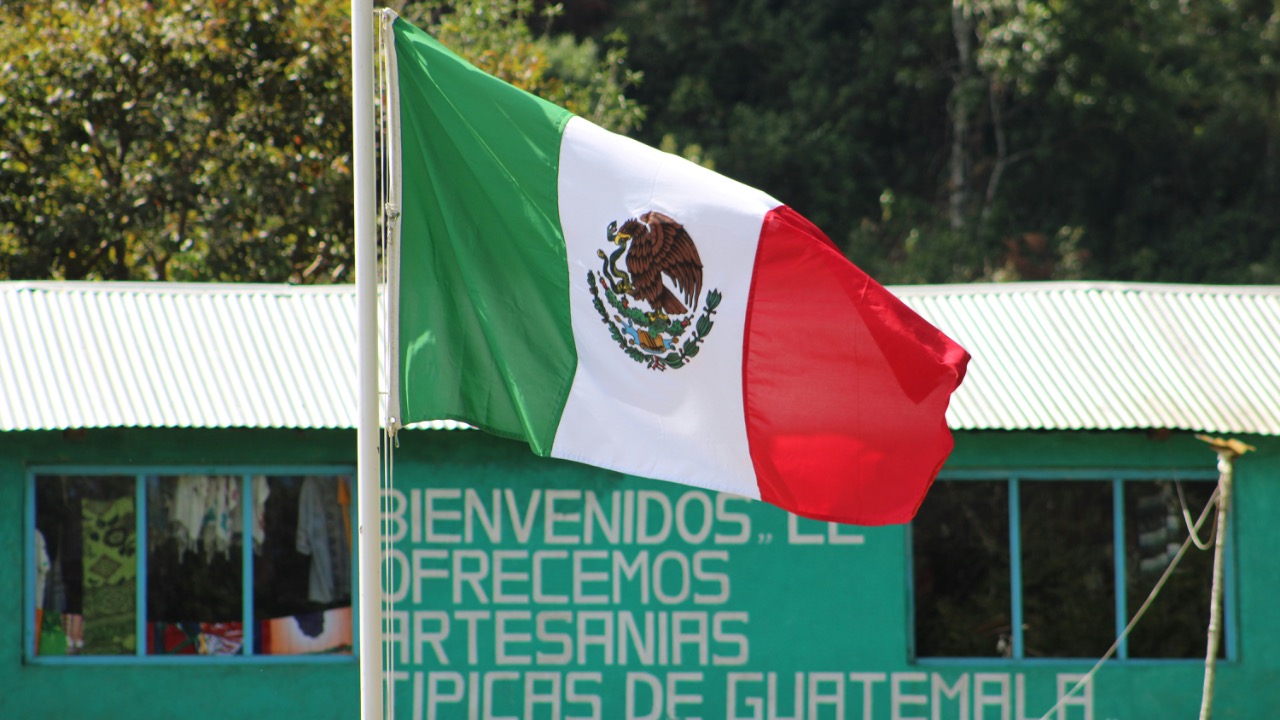
You can cross the border and have a great trip, no question. But parts of Mexico are dealing with cartel violence that doesn’t care much about who’s passing through. Border states and some inland regions see ongoing conflict, and it can spill into areas travelers don’t expect.
If you go, you keep it tight. Stick to well-known routes, avoid driving at night, and don’t wander into areas you haven’t researched. Tourist zones are generally safer, but even there, petty crime happens. You’re not trying to be fearless—you’re trying to be aware.
Venezuela
Venezuela has been in a prolonged economic and political crisis, and that shows up fast when you land. Infrastructure is unreliable, shortages are common, and crime—especially in urban areas—can be serious.
Americans stand out here, and that draws attention you don’t want. Kidnappings, armed robbery, and scams are all documented risks. Travel advisories have been strong for years for a reason. If you find yourself there, you move carefully, limit exposure, and don’t assume help will be quick if something goes sideways.
South Africa
South Africa offers some of the best hunting, fishing, and wildlife experiences you’ll find anywhere. But it also carries one of the higher crime rates among popular travel destinations, especially in cities like Johannesburg.
Violent crime, carjackings, and break-ins aren’t rare. That doesn’t mean you stay away—it means you travel smarter. You arrange transportation ahead of time, avoid walking alone after dark, and stay in areas with solid security. The wild places are worth it, but getting there takes a little planning.
Brazil
Brazil pulls people in with its coastline and culture, but major cities can be unpredictable. Armed robberies and street crime happen quickly, often targeting tourists who aren’t paying attention.
You keep your valuables out of sight and don’t flash anything you’re not willing to lose. Certain neighborhoods are fine, others aren’t, and the line between them can shift block by block. If you’re heading into rural or jungle areas, you’re also dealing with environmental risks—heat, insects, and terrain that can turn on you if you’re not prepared.
Egypt
Egypt has history you can’t match anywhere else. But political tension and security concerns still linger, especially outside major tourist corridors.
Authorities keep a close watch in high-traffic areas, but that doesn’t eliminate risk. Scams targeting tourists are common, and venturing off the usual path can expose you to more serious problems. You stay with reputable guides, follow local advice, and don’t treat it like a free-roaming trip. There’s a structure there, and ignoring it can put you in a bad spot fast.
India
India can be overwhelming if you’re not ready for it. The scale, the crowds, the traffic—it hits you all at once. Most trips go fine, but there are real concerns around scams, theft, and safety in certain areas.
Health risks are also part of the equation. Food and water safety, air quality, and heat can wear you down if you’re not careful. You plan ahead, keep your guard up in crowded places, and pay attention to local customs. It’s not a place to wing it.
Thailand
Thailand is one of the more accessible destinations in Southeast Asia, but that ease can lead people to let their guard down. Tourist-heavy areas bring scams, pickpocketing, and nightlife situations that can turn fast.
Transportation accidents are another concern, especially with scooters and crowded roads. If you’re heading into remote areas or islands, you also need to think about weather and limited medical access. You don’t need to be tense, but you do need to stay sharp.
Turkey
Turkey sits at a crossroads, and that comes with both opportunity and tension. Most tourist areas are well-managed, but the broader region has seen political instability and security concerns over the years.
Large cities can be safe if you stay aware, but demonstrations and sudden disruptions aren’t unheard of. Border regions are a different story and best avoided. You keep an eye on local news, follow guidance from authorities, and don’t assume things will work like they do back home.
Philippines (Certain Areas)
The Philippines offers incredible coastline and backcountry travel, but some regions—especially in the southern part of the country—have long-standing security concerns tied to insurgent groups.
Kidnappings and targeted violence have occurred in those areas. Tourist zones like Palawan and Cebu are generally safer, but you still stay alert. Weather can also be a factor, with typhoons hitting hard and fast. You plan around seasons, respect advisories, and don’t push into areas locals tell you to avoid.
France (Urban Centers)
France might not seem like it belongs on this list, but cities like Paris deal with heavy tourist traffic—and that brings pickpockets and organized theft.
It’s not violent most of the time, but it’s persistent. Train stations, crowded streets, and major landmarks are where people get caught slipping. You keep your wallet secure, stay aware of distractions, and don’t carry more than you need. It’s a different kind of risk, but it’s real.
Travel isn’t about staying comfortable—it’s about knowing where you stand and adjusting. Every place on this list can still offer a solid trip if you approach it the right way.
You don’t need to be paranoid. But you do need to be paying attention.

Asher was raised in the woods and on the water, and it shows. He’s logged more hours behind a rifle and under a heavy pack than most men twice his age.