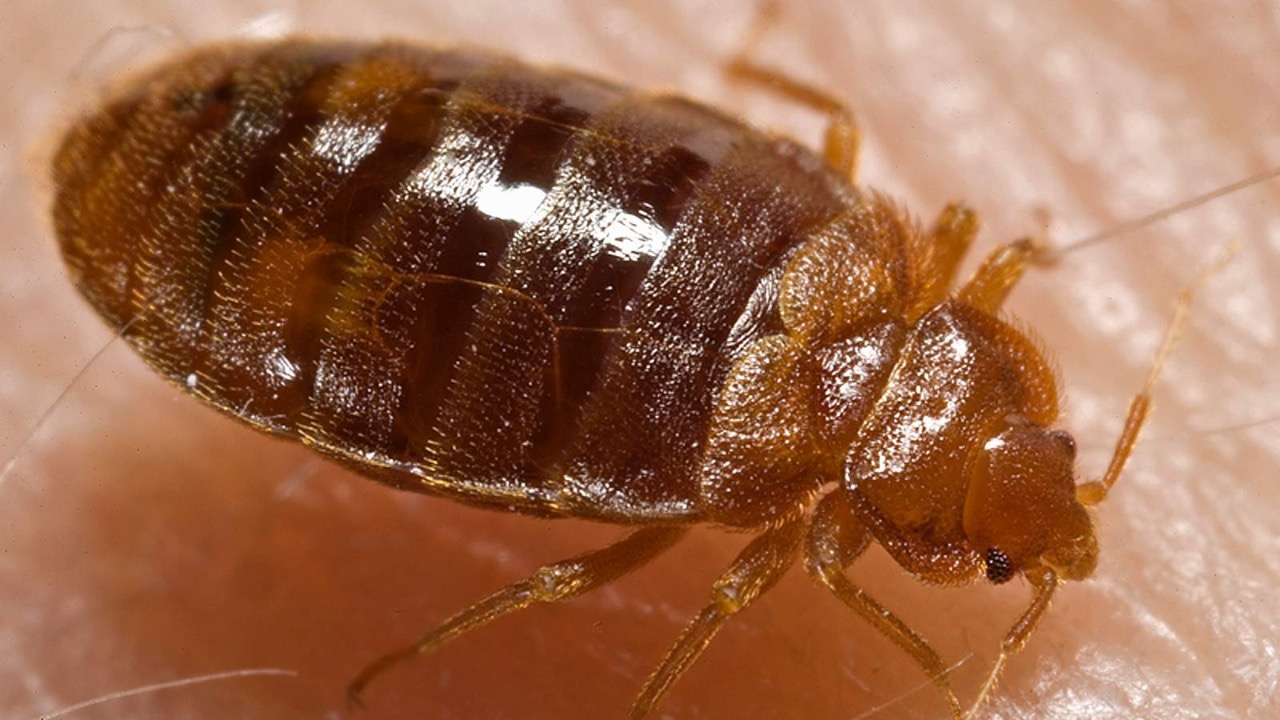
7 scents bed bugs are known to avoid
You don’t forget your first run-in with bed bugs. Once they show up, they’re hard to ignore and even harder to get rid of. Heat treatments and professional control are still the most reliable ways to wipe them out, but there’s been a steady stream of research looking at what these insects avoid—especially certain smells.
Now, here’s the straight truth: scents alone won’t eliminate an infestation. But some can help push bed bugs away from treated areas or make a space less inviting while you deal with the bigger problem. If you’re trying to stack the odds in your favor, these are the scents that have shown real promise.
Lavender Has Shown Repellent Properties
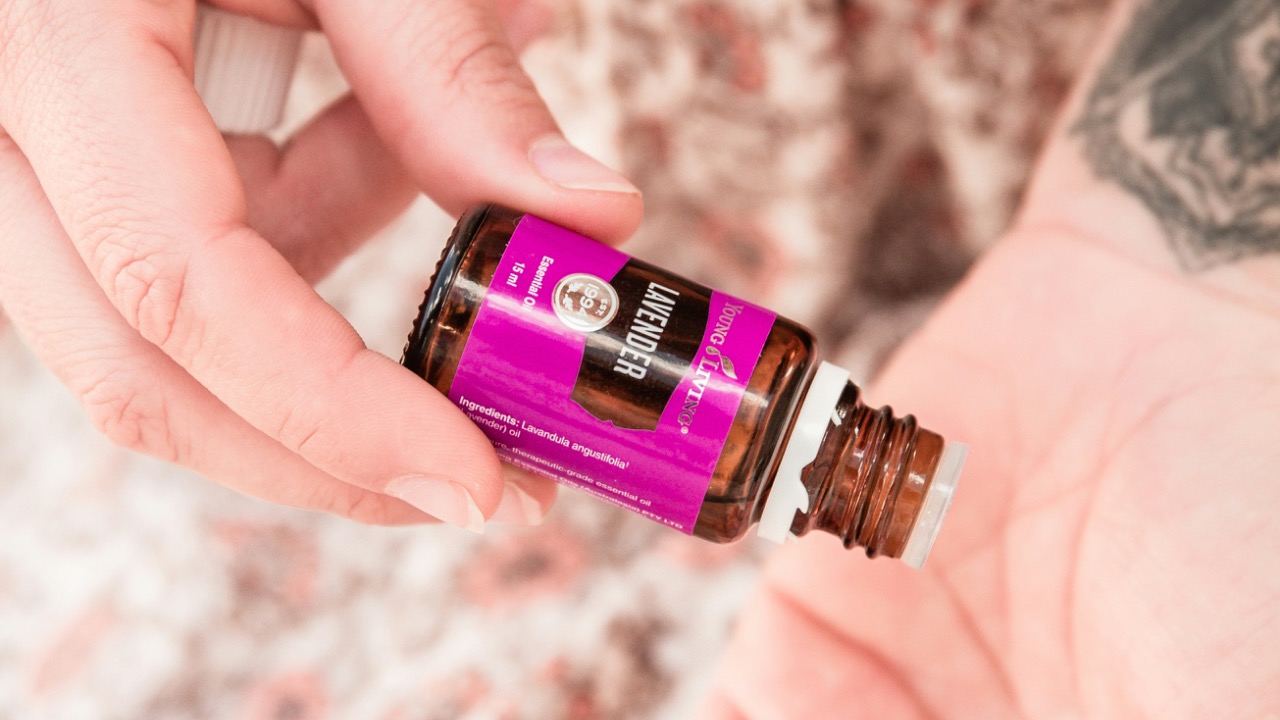
Lavender gets talked about a lot, and not all of it is fluff. Some lab studies have shown that compounds in lavender oil can repel bed bugs and even affect their survival when exposure is high enough.
If you’re using it, the key is concentration. A weak room spray won’t move the needle much. You need a properly diluted essential oil applied along bed frames, baseboards, and cracks where they travel. Even then, think of it as a supporting measure. It can help discourage movement through treated areas, but it won’t reach bugs buried deep in mattresses or walls.
Tea Tree Oil Can Disrupt Their Movement
Tea tree oil has a strong, medicinal scent that bed bugs don’t seem to like. There’s some evidence it can interfere with their behavior, making them less likely to cross treated surfaces.
You’ll want to dilute it properly before use, especially around sleeping areas. Applied along seams, furniture joints, and entry points, it can act as a barrier. Still, it breaks down over time and needs reapplication. It’s useful in slowing spread or protecting certain zones, but it won’t stop an established infestation from growing if you rely on it alone.
Peppermint Oil Creates an Unfriendly Environment
Peppermint oil carries a sharp, penetrating smell that many insects avoid, and bed bugs appear to be among them. It’s not a silver bullet, but it can make treated areas less appealing.
Use it where bugs tend to travel—bed legs, baseboards, and the edges of carpeting. Like other oils, it works best when it’s fresh and properly diluted. The scent fades, and once it does, the effect goes with it. Think of peppermint as a short-term deterrent you layer on while working through more effective control methods.
Eucalyptus Has Insect-Repelling Compounds
Eucalyptus oil contains compounds that have shown repellent effects against a range of insects. Bed bugs don’t seem particularly fond of it either, especially in stronger concentrations.
Applied carefully, it can help discourage bugs from settling in certain areas. You’ll still need to be cautious with pets and skin contact, as eucalyptus can be irritating. Like the rest of these scents, it’s best used along travel routes rather than open space. It won’t chase bugs out of hiding, but it can make it harder for them to move comfortably through treated zones.
Clove Oil Has Strong Contact Effects
Clove oil stands out because it’s not only a repellent—it’s shown some contact-kill potential in lab settings. The active compound, eugenol, is what gives it that strong, spicy smell.
That strength is also a downside. It needs to be handled carefully and diluted correctly to avoid irritation. When applied to cracks, seams, and hiding spots, it can have a stronger impact than milder oils. Still, coverage matters. If you miss the areas where bugs are actually living, you won’t see much benefit. It’s one of the more aggressive scent-based options, but still not a standalone fix.
Lemongrass Can Interfere With Their Behavior
Lemongrass oil contains citral, which has been studied for its effects on insects. Bed bugs appear to avoid it, and in some cases, it may interfere with their normal activity.
You can use it similarly to other oils—along bed frames, furniture edges, and baseboards. The scent is strong at first but fades quickly, so reapplication is part of the deal. It’s a decent option for creating temporary barriers, especially in areas you want to keep clear while you’re treating the rest of the room.
Thyme Oil Has Shown Promising Results in Studies
Thyme oil doesn’t get as much attention, but it’s been part of research looking at natural bed bug control. Some studies have found it to be effective as both a repellent and, in certain conditions, a control agent.
It’s potent, and like clove oil, needs to be diluted carefully. Used in the right spots—tight cracks, joints, and hidden edges—it can add another layer of defense. The smell is strong and doesn’t go unnoticed, which is part of what makes it effective. Still, it works best when paired with thorough cleaning, heat treatment, and physical removal.
At the end of the day, these scents can help tilt things slightly in your favor, but they won’t solve the problem on their own. Bed bugs are built to hide, survive, and wait you out. If you’re dealing with them, use every tool available—but don’t mistake a good-smelling room for a clean one.

Asher was raised in the woods and on the water, and it shows. He’s logged more hours behind a rifle and under a heavy pack than most men twice his age.