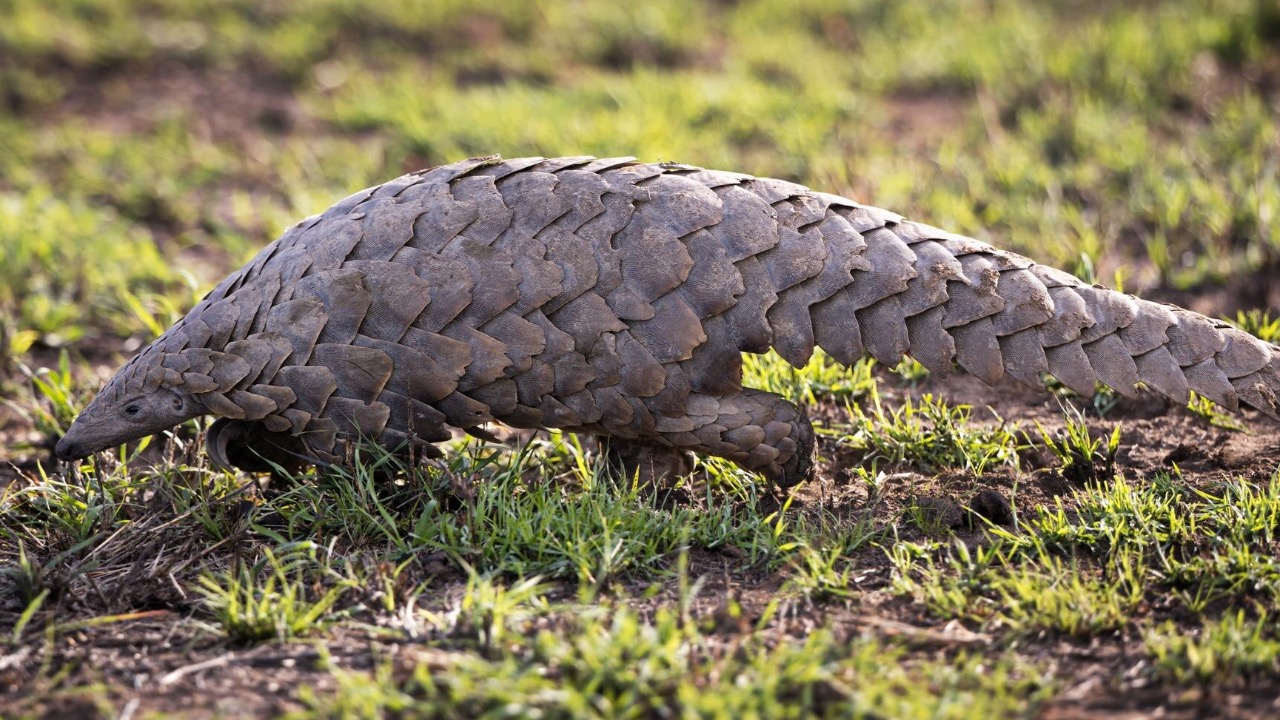
Why pangolins remain the most trafficked animals in the world
You don’t hear much about pangolins unless you’re deep into conservation circles, but they sit at the center of one of the largest wildlife trafficking problems on the planet. Quiet, nocturnal, and covered in scales, these animals don’t draw the same attention as elephants or rhinos—but they’re hit harder than both in many ways.
If you’re trying to understand why, you’ve got to look past the surface. It comes down to demand, vulnerability, and how easy it is for illegal networks to move them without much pushback. Here’s what’s really driving it.
Their Scales Are the Main Target
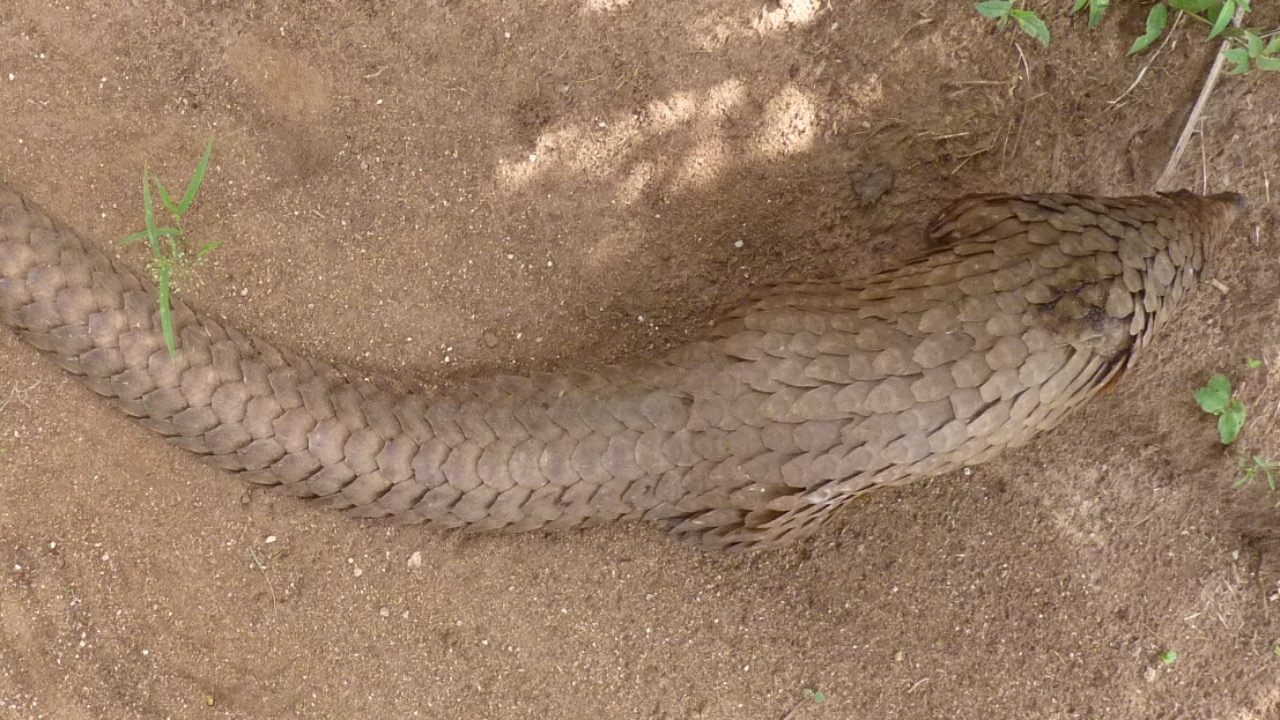
The biggest reason Pangolin numbers keep dropping is their scales. In several parts of Asia, those scales are used in traditional medicine, even though there’s no solid scientific backing for their effectiveness.
You’re not looking at a small trade, either. Tons of scales are seized every year, and that only represents what gets caught. Each shipment can mean thousands of animals. The demand hasn’t slowed much, and as long as buyers believe in the product, traffickers keep supplying it. That steady pull from the market is what keeps pressure on wild populations.
They’re Easy to Catch in the Wild
Pangolins don’t run, fight, or flee like most animals. When threatened, they curl into a tight ball and rely on their scales for protection. That works against natural predators—but not people.
If you’re a poacher, that behavior makes your job easier. There’s no chase, no risk, and no real skill required. In areas where they still exist, they can be picked up by hand. That low barrier to entry means more people are willing to hunt them, especially in regions where income is limited and quick money matters.
Habitat Loss Pushes Them Closer to Poachers
Across parts of Asia and Africa, forests are being cleared for agriculture, development, and logging. That pushes pangolins out of secure habitat and into areas where they’re more exposed.
When you lose cover, you lose safety. Pangolins depend on burrows, dense vegetation, and stable ground conditions. Once that’s gone, they’re easier to find and harder to protect. It also forces them into closer contact with humans, which increases the odds they’ll be captured, whether intentionally or by chance.
International Trafficking Networks Keep the Trade Moving
This isn’t a small, local problem. Organized trafficking networks move pangolins and their parts across borders, often using the same routes as other illegal goods.
You’re dealing with coordinated systems that know how to avoid detection. Shipments are hidden in cargo, mislabeled, or broken into smaller loads. Even when authorities make large seizures, it rarely shuts the pipeline down for long. There’s too much money involved, and the networks adapt quickly.
Weak Enforcement in Key Regions
Laws exist to protect pangolins, and international agreements ban most trade. But enforcement doesn’t always match what’s written on paper.
In many regions, wildlife agencies are underfunded and understaffed. That makes it tough to monitor remote areas or track organized trafficking. Even when arrests happen, penalties can be light compared to the profits being made. If the risk stays low and the reward stays high, the trade keeps going.
Their Low Reproduction Rate Works Against Them
Pangolins don’t reproduce quickly. Most species give birth to a single offspring at a time, and not every year.
That matters more than people realize. When large numbers are taken from the wild, populations can’t bounce back fast enough. Even if poaching slowed down tomorrow, recovery would take years, if not decades. It’s a slow animal trying to survive in a fast-moving crisis.
Demand Expands Beyond Medicine
While scales get most of the attention, pangolins are also hunted for meat. In some regions, it’s considered a luxury item, served at high-end gatherings.
That adds another layer to the problem. You’re not dealing with one market—you’re dealing with multiple. When both scales and meat carry value, every part of the animal becomes profitable. That increases the incentive to hunt them, even in areas where one market might weaken.
Lack of Public Awareness Keeps Them Overlooked
Pangolins don’t have the recognition of other endangered species. Most people couldn’t pick one out of a lineup, let alone explain why they matter.
That lack of awareness hurts conservation efforts. Funding, policy pressure, and global attention tend to follow animals people care about. Without that spotlight, it’s easier for the problem to continue in the background. By the time it gets noticed, populations are already in serious trouble.
You’re looking at a perfect storm—steady demand, easy capture, slow reproduction, and a system that struggles to keep up. Pangolins aren’t built to withstand that kind of pressure, and right now, they’re paying the price for it.

Asher was raised in the woods and on the water, and it shows. He’s logged more hours behind a rifle and under a heavy pack than most men twice his age.