Authorities seize nearly 100 pounds of ivory in major trafficking case
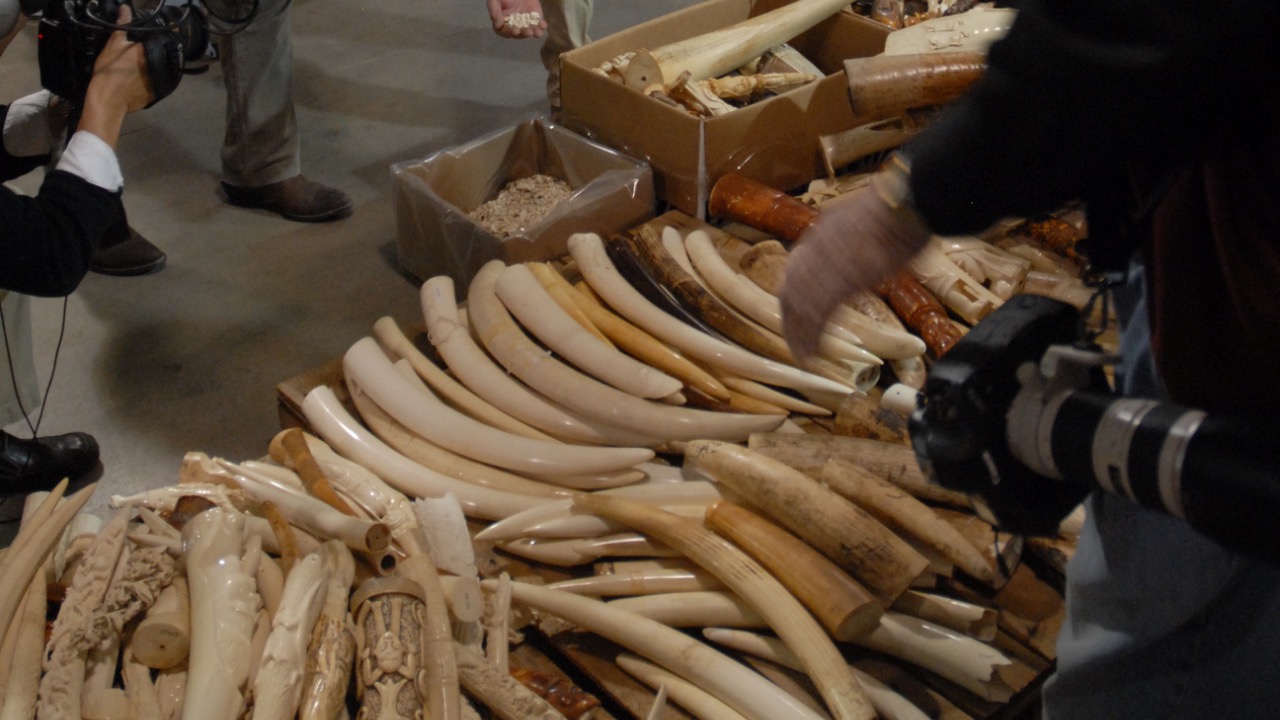
Authorities say a recent seizure of nearly 100 pounds of elephant ivory has dealt a sharp blow to a trafficking network that treats endangered wildlife as contraband. Centered in East Africa, the case highlights how coordinated enforcement and regional intelligence sharing are beginning to catch up with a trade that has long fueled poaching across the continent.
Ivory bust in Kenya exposes trafficking pipeline
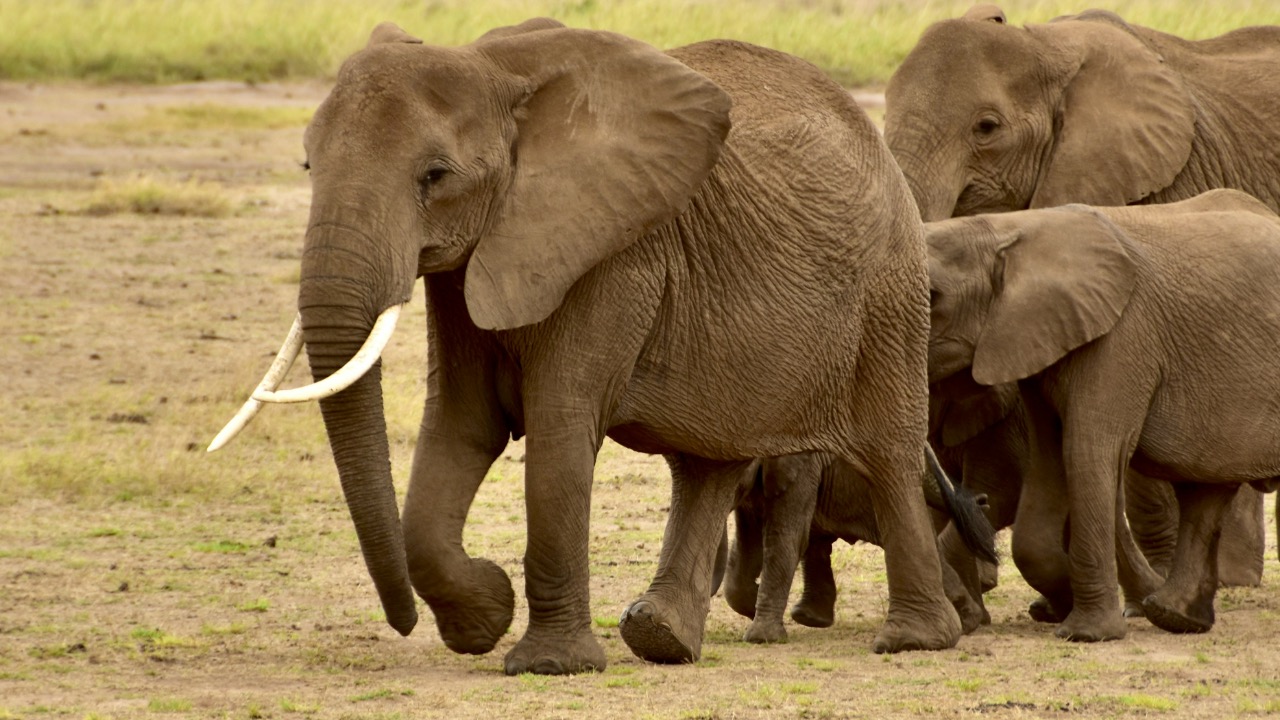
Investigators in Kenya describe the latest operation as a textbook example of how traffickers move multiple species at once. Earlier this year, Mar Authorities in Kenya arrested three suspects after they allegedly tried to move a mixed consignment that included elephant ivory, python products and leopard skins. Officials reported that the suspects were carrying 42 kilograms of ivory, along with other wildlife parts, when they were intercepted.
The same enforcement push led to a separate seizure that has drawn global attention. According to Mar Authorities, officers confiscated nearly 100 lbs of elephant ivory from traffickers who were allegedly preparing to move the shipment onward to buyers. That haul, while smaller than some historic cases, is large enough to represent several dead elephants and a substantial loss for the criminal group behind it.
Authorities say the suspects treated ivory, python skins and leopard skins as interchangeable commodities, bundling them in the same supply chain to maximize profit and minimize perceived risk. The pattern reflects a broader shift in wildlife crime, in which networks diversify their portfolios and test border vulnerabilities across the region.
Regional context: a parallel seizure in Zambia
The Kenyan operation unfolded against a backdrop of intensifying enforcement elsewhere in southern and eastern Africa. In Lusaka, officials issued a Mar PRESS STATEMENT FOR IMMEDIATE RELEASE that described a major anti trafficking sweep centered on a warehouse operation. According to that press statement, officers seized ivory weighing approximately 471.8 kilograms during coordinated raids.
A related Mar release, titled OVER IVORY SEIZED MAJOR ANTI trafficking operation, framed the Lusaka case as part of a broader campaign against transnational syndicates. Officials said the 471.8 kilogram haul represented hundreds of tusks that had already left protected landscapes and were being consolidated for export. The statement, shared through official channels, emphasized that the seizure was intended to send a message to traffickers who see the country as a transit hub.
Although the Kenyan case involved nearly 100 pounds of ivory and the Zambian operation netted over 470 kilograms, enforcement agencies in both countries describe a common threat. Networks move ivory from poaching grounds through a chain of middlemen, then consolidate shipments in urban centers where documentation can be forged and containers disguised.
How traffickers profit from elephants and other species
Wildlife crime experts say the figures in these cases illustrate the economics that keep poachers and smugglers in business. A single shipment of 42 kilograms of ivory, like the consignment intercepted by Mar Authorities in Kenya, can translate into significant revenue once it reaches buyers in consumer markets. The nearly 100 lbs seized in the separate Kenyan operation would likely have been broken down further, with tusks carved into smaller pieces and sold through both legal gray areas and outright black markets.
In Lusaka, the 471.8 kilogram seizure suggests a higher tier of the trade, where traffickers aggregate tusks from multiple poaching events. By the time ivory reaches this stage, it has usually passed through several hands, each taking a cut. Officials who track the market say the combined value of such shipments contributes to an illegal wildlife trade that is often estimated in the tens of billions of dollars globally every year.
Traffickers rarely move ivory alone. The Kenyan investigation that uncovered python and leopard products alongside tusks shows how networks exploit demand for exotic skins, traditional medicine ingredients and luxury ornaments. A single smuggling route might carry everything from elephant ivory to pangolin scales, with bribes and forged documents spread across the total value of the cargo.
Enforcement tactics and community pressure
Authorities in Kenya have credited a mix of intelligence gathering, community tips and targeted inspections for the recent arrests. Investigators monitored suspected traffickers before intercepting the shipment of 42 kilograms of ivory and other wildlife parts, then moved quickly when the nearly 100 lbs consignment surfaced. Officials say the goal is not only to seize contraband but also to dismantle the networks that recruit local poachers and corrupt intermediaries.
Digital outreach has become part of that strategy. Conservation advocates use social media channels such as community pages to highlight enforcement successes and encourage residents to report suspicious activity. Campaigns stress that elephants, pythons and leopards are worth more alive than as commodities, and that trafficking profits tend to flow to a small circle of organizers rather than to the rural communities where poaching often begins.
Governments are also experimenting with incentives that reward information and promote legal livelihoods. Programs linked through platforms like rewards tools, energy savings and solar explorer campaigns are used to connect environmental messaging with practical benefits, from lower household bills to small grants for local businesses. The aim is to show that conservation and economic opportunity can align, rather than compete.

Asher was raised in the woods and on the water, and it shows. He’s logged more hours behind a rifle and under a heavy pack than most men twice his age.