Hunting cartridges that don’t need perfect conditions
Big game seasons rarely unfold in laboratory conditions. Wind, steep angles, cold fingers and rushed shot windows punish cartridges that only shine on a sunny range day, which is why hunters keep gravitating toward rounds that still perform when everything else goes sideways.
When I look at modern rifle choices through that lens, a pattern emerges: the most trusted hunting cartridges combine forgiving ballistics, reliable terminal performance and broad ammunition support so they keep working even when the weather, the terrain or the shooter are less than perfect. The specific chambering matters, but so does how it fits into a practical system that can handle real-world abuse year after year.
What “forgiving” really means in a hunting cartridge

In the field, a forgiving cartridge is one that still delivers ethical hits when the shot is a little hurried, the range estimate is not exact or the wind call is imperfect. That usually means a reasonably flat trajectory, enough bullet weight to carry energy through bone and muscle, and recoil that does not punish the shooter into flinching. Cartridges that balance those traits give hunters a wider margin for error than ultra-specialized rounds that demand perfect form and precise dope.
Versatility is the other half of that equation. A round that can handle pronghorn on the plains, whitetails in the timber and elk in the mountains without a complete gear overhaul is inherently more forgiving across seasons and regions. That is why so many experienced hunters still argue that if you could only pick one big game cartridge, a well proven mid-bore with sensible recoil and broad bullet options is the safest bet, a point underscored by advocates who single out a single all-around choice for big game hunting.
Flat trajectories that tame bad range calls
One of the most common real-world mistakes is misjudging distance, especially in broken country where depth cues are deceptive. Cartridges with flatter trajectories reduce the penalty for that error, keeping point of impact closer to point of aim across a wider band of yardages. Classic mid-caliber speedsters like the .243 Winchester and 6 mm rounds have long been favored for this reason, and detailed comparisons show the 243 Winchester and 6mm options among the Flattest Shooting Rifle Cartridges in the 24 Caliber class.
Flat flight paths matter even more when shots stretch past typical woods distances into open country. Long-range focused cartridges that pair high ballistic coefficients with efficient case design help keep bullets on a laser-like arc, which in turn softens the impact of a slightly off rangefinder reading or a rushed dial on the turret. When a cartridge is engineered to get your bullet there quickly to minimize wind drift and drop, as some modern long-range rounds are, it becomes a powerful tool for hunters who cannot count on perfect range estimation or benchrest stability, a role highlighted in coverage of the most versatile long-range hunting cartridges.
Deer cartridges that work when the shot is not ideal
Whitetail hunters face some of the messiest shot scenarios in the hunting world, from quick pokes at running deer in thick cover to longer shots across cut fields in swirling wind. That is why the most enduring deer cartridges tend to be those that combine manageable recoil with bullets that expand reliably across a range of impact speeds. Among modern options, the 6.5 Creedmoor has become a lightning rod, with some traditionalists scoffing while others praise its efficiency, yet even critics acknowledge that the 6.5 Creedmoor has earned a place on lists of top whitetail rounds because Modern shooters see how its mild kick and high sectional density help them place shots precisely.
For hunters who want a bit more authority without stepping into punishing recoil, mid-bore rounds like the 7mm-08 Remington offer a compelling compromise. Detailed caliber guides note that, under the heading of Oct recommendations, the 7mm-08 is singled out in the section labeled Considerations as a cartridge that offers a fantastic blend of power and precision, making it, in the words of that guide, the 7mm-08 Remington well suited for various hunting conditions. That assessment of the Remington chambering reflects what many hunters see in the field, a cartridge that hits harder than its recoil suggests and keeps working even when the shot angle or distance is less than perfect.
Magnums built for ugly weather and big animals
When the quarry is elk, moose or big bears, and the weather is sleet instead of sunshine, many hunters reach for magnums that were designed from the start to function in harsh conditions. One long-running example is the 7mm Remington Magnum, which has been paired with controlled expansion bullets to deliver deep penetration and reliable expansion on large animals. Factory loads like the Winchester Super-X Power-Point 7mm Remington Magnum 150 Grain Centerfire Rifle Ammo have proven themselves for over 60 years to function in a wide range of rifles and climates, with the 150 G bullet weight tuned to deliver lethal terminal performance on big game, a track record that makes Winchester Super Power Point loads a staple in many elk camps.
At the more extreme end of the spectrum sits the .300 Weatherby Magnum, a cartridge explicitly built for high performance in extreme conditions. Its designers pushed pressures and velocities beyond standard .30 caliber rounds so that, Whether the shot came on a windswept ridge or across a snow-choked valley, the bullet would still carry enough energy and a flat enough trajectory to anchor big animals cleanly. Descriptions of the 300 Weatherby Magnum emphasize that Unlike standard .30 caliber cartridges, this Weatherby Magnum is tailored for hunters who expect to face long shots, brutal weather and the need for decisive terminal performance on heavy game.
Building a two-rifle system that forgives your mistakes
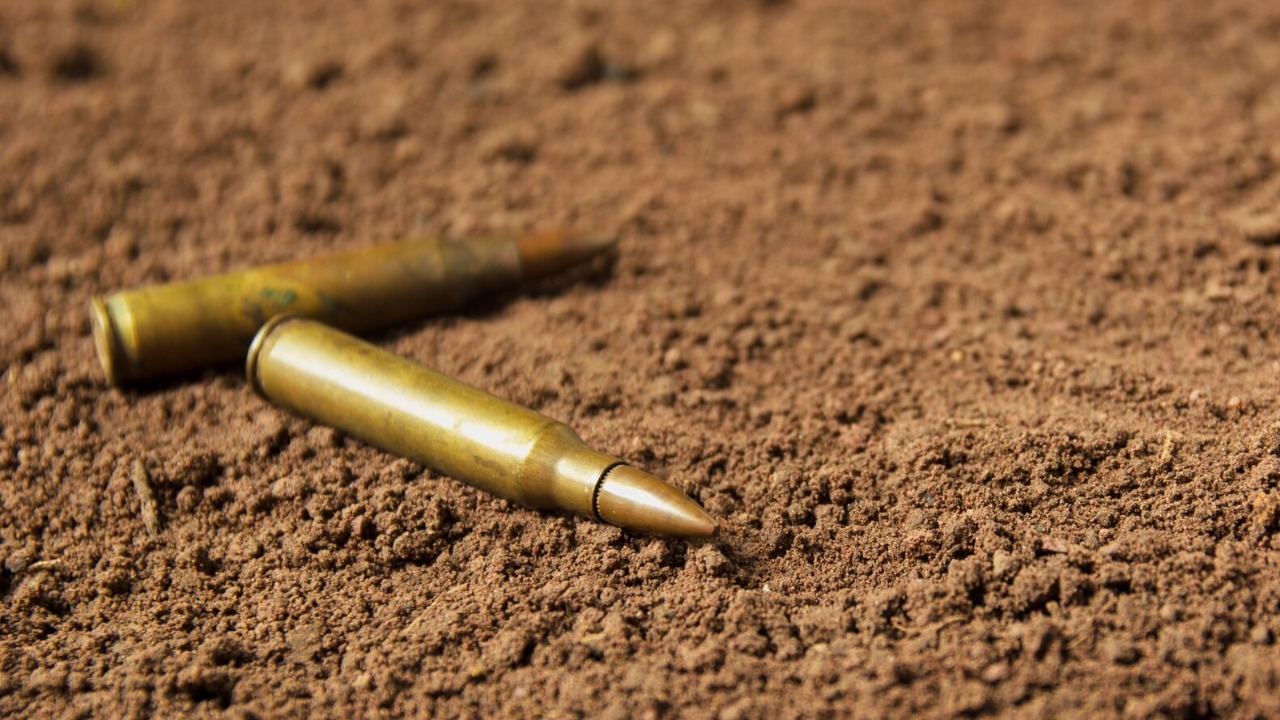
Even the best all-around cartridge cannot cover every scenario, which is why many experienced hunters build a paired rifle system that shares similar handling and trajectories. The idea is to have one mild, inexpensive practice rifle and one full-power hunting rifle, both set up so that their points of impact and ballistic curves are closely matched. That way, thousands of low-recoil practice rounds translate directly into better field performance with the heavier hitter, a strategy laid out in detail in advice that urges shooters to Choose chamberings that meet their hunting needs while keeping recoil and cost manageable, a concept explored in depth in guidance on how to Choose twin practice rifle chamberings.
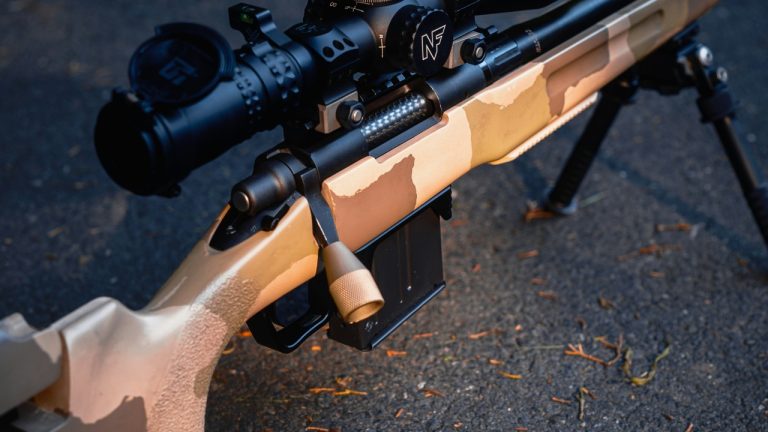
In practical terms, that might mean pairing a .223 Remington trainer with a .308 Winchester hunting rifle, or a 6 mm practice gun with a 6.5 Creedmoor big game rig, so that holdovers and wind calls feel familiar across both. This approach does not just save money on ammunition, it also makes the entire system more forgiving when the shot of the season appears, because the shooter’s muscle memory and sight picture have been reinforced under low stress conditions. When the real shot comes in a gusty crosswind or from an awkward seated position, the cartridge’s inherent forgiveness is amplified by the shooter’s confidence and familiarity.
Matching cartridge to conditions without overcomplicating it
Choosing a cartridge that does not demand perfect conditions starts with an honest assessment of where and how you actually hunt. Dense Appalachian hardwoods, open Midwestern farm country and high Western basins all reward different ballistic profiles, and no single round can be ideal for every scenario. That is why even generalist recommendations for a single big game cartridge stress context, noting that the best all-around choice is one that balances trajectory, recoil and bullet performance for the specific mix of deer, elk or other species you expect to encounter, a theme that runs through arguments for a one-gun solution for big game hunting.
At the same time, hunters do not need to drown in ballistics charts to make a sound decision. Practical tools and guides can narrow the field by caliber and application, helping shooters match cleaning gear, ammunition and rifles to their real-world needs. One example is a product guide that promises to help you choose the right gun care equipment for a specific caliber, explicitly instructing users to Choose the caliber they need support for, a reminder that even maintenance choices should be tailored to the cartridge in question, as explained in the ANSWER section of that FAQ.
Why cartridge choice still matters more than ever
Modern optics, rangefinders and ballistic apps have made it easier than ever to hit distant targets under controlled conditions, but those tools cannot fully erase the chaos of real hunts. Wind gusts, moving animals and human stress still conspire to push shots off target, which is why cartridge choice remains a critical hedge against imperfection. Rounds with inherently flat trajectories, consistent expansion and tolerable recoil give hunters a better chance of keeping bullets in the vital zone even when the shot is not textbook perfect, a reality reflected in the enduring popularity of cartridges that show up repeatedly in lists of versatile long-range and whitetail performers, from the 6.5 Creedmoor to the 7mm-08 Remington and the 7mm Remington Magnum.
At the same time, the industry continues to refine high performance options for those who chase big animals in brutal conditions, such as the .300 Weatherby Magnum and other specialized magnums built to shrug off wind and distance. When paired with thoughtful rifle setups, twin practice systems and caliber-specific maintenance, these cartridges form the backbone of hunting rigs that are resilient rather than fragile. In a world where few shots unfold under perfect conditions, that resilience is what separates cartridges that look good on paper from those that quietly fill freezers season after season.

Leo’s been tracking game and tuning gear since he could stand upright. He’s sharp, driven, and knows how to keep things running when conditions turn.