Knife laws changed in 2026—what you can legally carry now
You’ve probably heard talk that knife laws “changed in 2026,” but the truth is more grounded than the headlines make it sound. There hasn’t been one sweeping federal overhaul. What you’re seeing instead is a continuation of a trend that’s been building for years—states loosening restrictions, cleaning up outdated language, and treating knives more like tools than weapons.
If you carry a blade for work, hunting, or everyday use, the landscape is better than it was a decade ago. But it’s still a patchwork, and if you don’t pay attention, you can cross a line without realizing it. Here’s what actually matters right now.
Most States Continue Moving Toward Fewer Restrictions
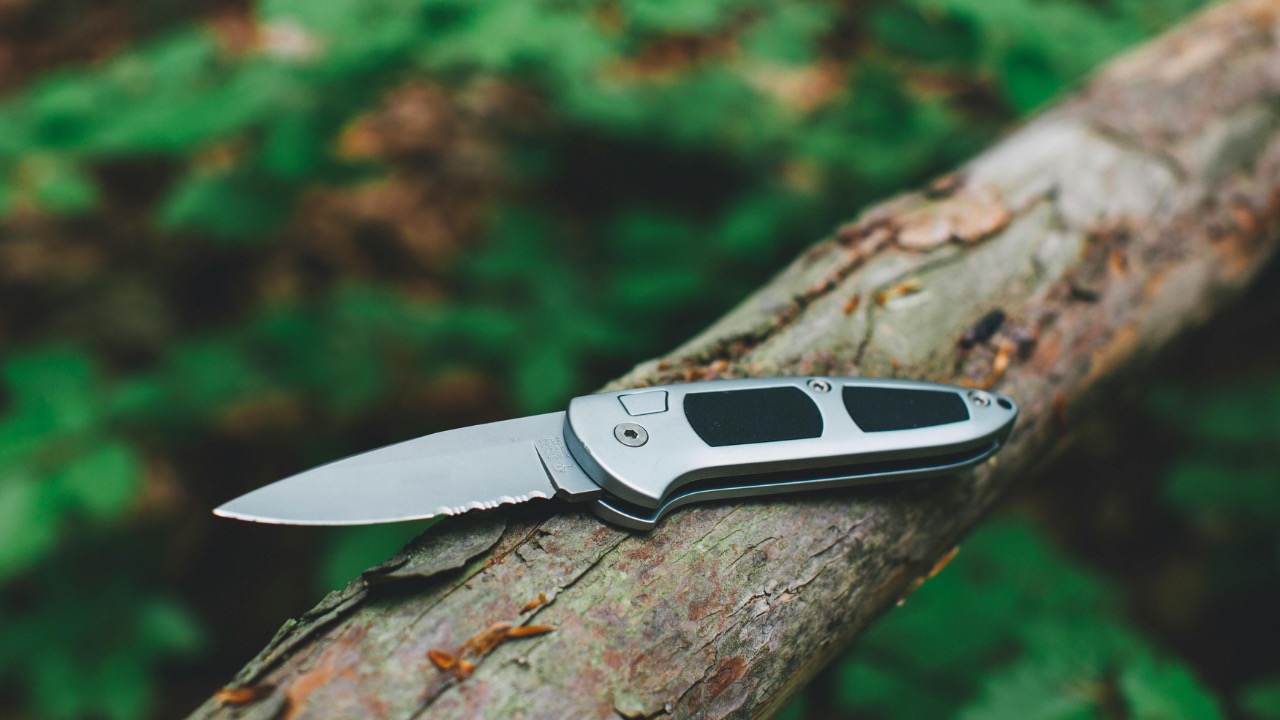
Across the country, states have been steadily rolling back older knife laws that didn’t make much sense anymore. Things like outright bans on certain blade types or strict length limits have been removed or relaxed in many places.
That doesn’t mean it’s wide open everywhere. You still have to pay attention to state-by-state rules. But the general direction is clear—you’re less likely to run into blanket prohibitions than you were years ago. Legislators have started recognizing that a folding knife in your pocket isn’t the same thing as carrying a weapon with intent. That shift has made everyday carry more straightforward in a lot of regions.
Switchblades and Automatic Knives Are Legal in More Places
Automatic knives used to be heavily restricted, mostly due to outdated fears that never matched reality. Over time, many states have reversed those bans or carved out legal paths for ownership and carry.
If you’re carrying an automatic today, odds are better than ever that you’re within the law—depending on where you are. Some states still have conditions, like requiring you to be over a certain age or limiting carry in specific locations. The key takeaway is that these knives aren’t treated like contraband anymore in much of the country. They’ve been reclassified closer to tools, especially for folks who rely on one-handed operation.
Blade Length Laws Are Still All Over the Map
This is where people still get tripped up. While some states have eliminated blade length limits entirely, others still enforce them, and they’re not consistent.
You might be fine carrying a 4-inch folder in one state and run into trouble with the same knife across the border. Local ordinances can complicate things even further. Cities sometimes keep older restrictions in place even after state laws loosen up. If you carry regularly, you need to know your local numbers and not assume that what works at home works everywhere else. This is one area where nothing has truly been standardized.
Concealed Carry Rules Haven’t Disappeared
Even in states that allow most knives, how you carry them can still matter. Concealed carry laws for knives haven’t gone away across the board.
Some states treat concealed knives differently than openly carried ones, especially when it comes to larger fixed blades or certain designs. In other places, concealment isn’t an issue at all. The problem is that people hear “legal to own” and assume that covers every situation. It doesn’t. If your knife is tucked out of sight, you need to be sure your state doesn’t treat that differently than a visible pocket clip or belt carry.
Restricted Locations Still Apply Everywhere
No matter how much laws loosen up, there are still places where knives are off-limits. That hasn’t changed and likely won’t anytime soon.
Schools, government buildings, courthouses, and airports are the usual suspects. Some states also restrict carry in bars or certain public events. These rules tend to be enforced more consistently than general carry laws. You might be completely legal walking down the street, then cross into a restricted area without thinking twice. That’s where people get into trouble. Knowing where you can’t carry matters just as much as knowing what you can.
“Intent” Still Plays a Role in How Laws Are Applied
Even with clearer laws, intent can still factor into how situations are handled. A knife carried as a tool is viewed differently than one carried in a way that raises concern.
That doesn’t mean you’re at the mercy of interpretation, but context matters. How the knife is stored, how it’s used, and how you present yourself all come into play if law enforcement gets involved. Most people carrying for everyday tasks won’t have an issue. But acting careless or confrontational can turn a legal situation into a problem fast. The law might be on your side, but behavior still counts.
State Preemption Laws Are Expanding—but Not Universal
Some states have passed laws that prevent cities and counties from making their own knife rules. This is called preemption, and it helps create consistency across an entire state.
Where preemption exists, you don’t have to worry as much about crossing into a town with different rules. But not every state has adopted it. In places without preemption, local laws can still override or add to state regulations. That’s where things get complicated. You might follow state law perfectly and still run into a local ordinance you didn’t know existed. It’s one of the biggest gaps that hasn’t been fully cleaned up yet.
Online Sales and Shipping Have Opened Up
Buying knives online has gotten easier as restrictions have eased in many areas. Retailers are more willing to ship items that used to be restricted, especially automatics and specialty blades.
That said, companies still pay attention to local laws. Some won’t ship certain knives to specific states or cities, even if enforcement is unclear. It’s not always about what’s technically legal—it’s about what sellers are willing to risk. As a buyer, you’re still responsible for knowing your local rules. The ease of ordering doesn’t change what you can legally carry once it lands in your hands.
The Big Picture: More Freedom, Still Your Responsibility
If you step back and look at the last several years, the trend is clear. Knife laws are loosening, not tightening. You’ve got more freedom now than you did before, especially when it comes to everyday carry.
But it’s not a free-for-all. You’re still dealing with a system built state by state, sometimes city by city. The burden is on you to know where you stand. Carrying responsibly today means staying informed, not assuming. The good news is you’ve got more room to work with. The reality is you still need to pay attention every time you clip that knife into your pocket.

Asher was raised in the woods and on the water, and it shows. He’s logged more hours behind a rifle and under a heavy pack than most men twice his age.