Hunting at low light: what works and what doesn’t
Hunting in low light is one of those skills that separates casual outings from serious, successful hunts. Early mornings and late evenings offer prime movement for deer, turkeys, and predators, but the conditions also demand gear, techniques, and attention to detail that differ from broad daylight. Knowing what tools perform and which ones leave you fumbling in the shadows can make or break a hunt. Light is limited, visibility is reduced, and your senses need to compensate. Here’s a breakdown of approaches, equipment, and strategies that consistently work—and a few that rarely deliver when the sun dips or rises.
Red Dot Scopes for Quick Target Acquisition
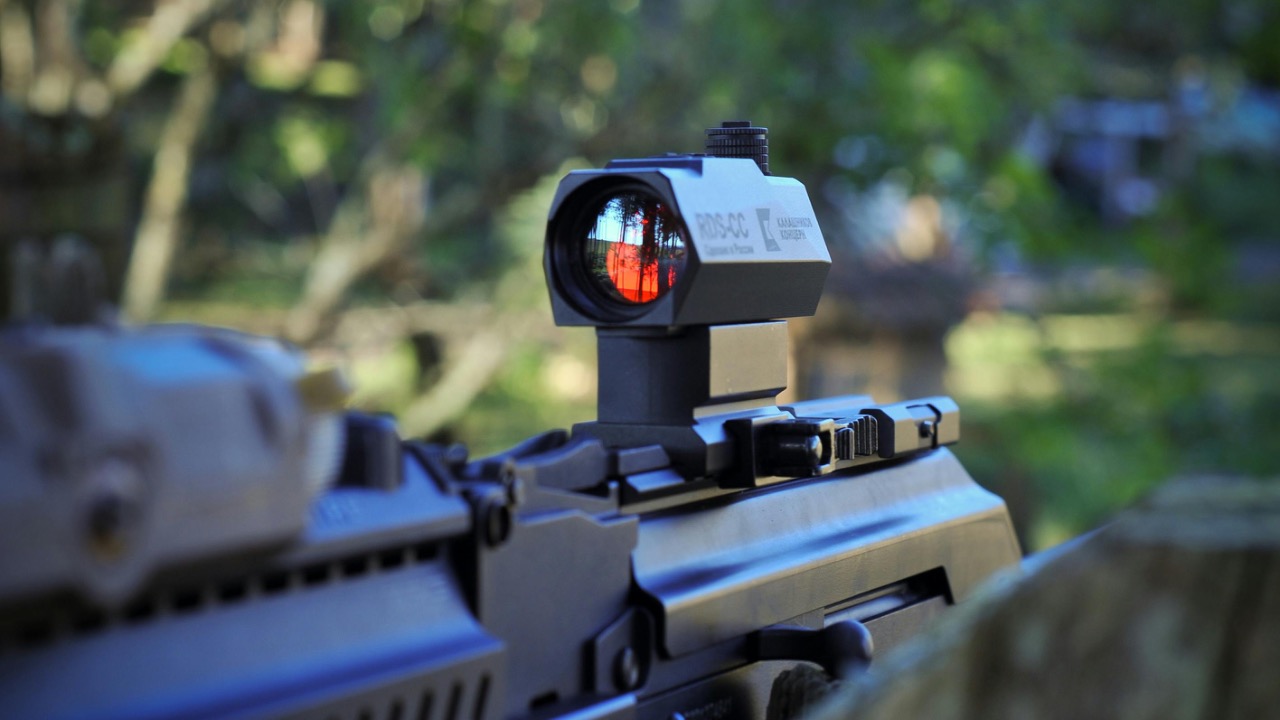
Red dot optics shine in low-light hunting because they don’t rely solely on ambient light. Unlike traditional crosshairs, a bright red dot allows you to pick up your target quickly and place precise shots, even at dawn or dusk.
Unlike magnified optics, red dots reduce the time your eye needs to find the target, which is crucial when animals are moving fast in fading light. Battery life has improved dramatically in modern models, so you aren’t constantly swapping power sources. Red dots pair well with lighter calibers for quick follow-ups and can work on rifles or shotguns, making them versatile tools when your surroundings are darker than usual.
Amber or Yellow Lenses in Binoculars
In low-light conditions, the color of your optics’ lenses can matter as much as magnification. Amber and yellow-tinted lenses increase contrast, making it easier to spot movement against dim foliage.
This subtle enhancement helps detect slight motion from deer or turkeys at dawn, which might otherwise blend into shadows. While they won’t create light where none exists, these lenses sharpen your perception, giving you more reaction time. Combined with steady hands or a tripod, amber or yellow optics outperform standard clear lenses when the first or last rays of the day are your hunting window.
Gun Mount Flashlights
High-lumen, low-profile weapon-mounted lights can drastically improve target identification. Mounting a flashlight on a rifle or shotgun allows you to illuminate a deer or predator without using both hands or moving awkwardly.
Unlike handheld lights, a mount keeps your focus aligned with your barrel, reducing the need to “swing” your beam. Modern LED lights are bright yet compact, minimizing added weight or recoil interference. When used properly, they help verify a clean shot in low-light situations, reducing the chance of a missed opportunity or ethical compromise.
Night Vision Devices
Night vision has matured beyond military-only equipment, and entry-level NV monoculars or scopes can extend your hunting hours. They amplify available light to give you a clear view of animals in darkness.
While they don’t replace the need for safe shooting practices, night vision allows you to detect animals long before traditional optics can. Newer generations are lighter, more affordable, and integrate with rifles or spotting scopes, making them practical for hunters who want to push boundaries. Paired with careful tracking and knowledge of your terrain, NV gear transforms low-light hunting into a more predictable experience.
Avoid High-Powered Magnification
In low-light hunts, extreme magnification often backfires. High-powered scopes require steady hands and more light to resolve details, which makes finding and tracking animals more difficult in dim conditions.
Using excessive magnification can actually hide motion and blur silhouettes, turning what should be a precise shot into guesswork. Stick to optics that balance clarity with brightness and a wide field of view. Lower magnification allows you to pick out animals without losing situational awareness, which is critical when light levels are low and every second counts.
Warm Clothing with Quiet Movement
Low-light hunting is also a sensory challenge, and sound becomes amplified in silence. Clothing that’s both warm and quiet is critical. Fleece or soft-shell layers reduce rustling while keeping you comfortable during long waits.
Shivering or discomfort can cause movement that alerts game, especially during early morning frost or evening chill. Choosing the right layers allows you to focus on sight and hearing rather than adjusting gear constantly. Soft textures, minimal zippers, and strategically layered insulation can mean the difference between spotting a deer and being spotted first.
Scent Control Becomes Crucial
Animals rely on scent more heavily when visibility is low. In pre-dawn or dusk hunts, a single misstep with scent control can ruin a hunt faster than poor light.
Use neutral soap, scent-eliminating sprays, and store gear in airtight bags. Even subtle human odor is magnified when animals rely on smell to compensate for darkness. Pairing scent control with quiet movement and concealment significantly increases your chance of success when eyes are less reliable.
Avoid Flashy or Reflective Gear
Glints and shine that are barely noticeable in daylight become glaring in low light. Zippers, buttons, or reflective straps can catch the last rays of sunlight and give away your position.
Choose matte, earth-toned gear and minimize metallic accents. Even a small glint from a scope adjustment knob can alert nearby game. Low-light hunting demands subtlety; attention to reflective surfaces ensures your setup doesn’t betray your presence during critical moments.
Practice in Dusk or Dawn Conditions
Low-light hunting is a skill that must be practiced under realistic conditions. Sitting in a blind or walking a trail at twilight helps you understand how your optics, gear, and movement interact with limited light.
This practice allows you to judge distances, identify silhouettes, and gauge how animals react to subtle motions. Training in the dark builds muscle memory for handling rifles or shotguns without relying on high visibility. Familiarity with these conditions reduces surprises, making you calmer, quicker, and more accurate when it counts.
Limit Use of Decoys and Calls That Require Precision
Decoys and electronic calls can be more challenging at low light because subtle movements or sound misplacement are harder to gauge. What works in full daylight can backfire when shadows distort depth perception.
Instead, focus on calls and decoys that are forgiving and don’t require pinpoint accuracy. Simpler, more natural setups reduce the risk of spooking game and allow you to rely on your senses rather than exact placement in fading light.
Focus on Animal Behavior Rather Than Target Identification
At low light, it’s more effective to anticipate movement than rely solely on sight. Understanding feeding patterns, bedding areas, and trails allows you to position yourself where animals are likely to appear.
Even with optics and lights, you’re at a disadvantage if you don’t account for behavioral patterns. Knowledge of how deer, elk, or predators move in early or late hours helps you set up strategically. When visibility is poor, experience and anticipation become your primary advantage, allowing you to stay one step ahead.
Use a Stable Rest or Shooting Stick
A steady platform is more important in low light because small errors are magnified. Even slight barrel wobble can obscure your target in dim conditions.
A shooting stick, tripod, or natural rest helps keep your gun stable for accurate shots. It also reduces fatigue, which can amplify movement errors during long sits. Stability becomes a force multiplier when you combine it with optics that amplify contrast and light, allowing you to make clean, ethical shots despite limited visibility.
Consider Short-Range Cartridges or Buckshot
Low-light conditions often make long-range shots impractical. Choosing cartridges or shot suited for short to medium range increases your chances of success and reduces the risk of missed shots.
Using buckshot or calibers designed for close-range efficiency allows for quicker follow-up shots and increases confidence in ethical hunting. Attempting extended-range shots in dim light amplifies errors in judgment and can turn a promising hunt into a missed opportunity. Focus on tools that match the environment rather than pushing beyond realistic limits.

Asher was raised in the woods and on the water, and it shows. He’s logged more hours behind a rifle and under a heavy pack than most men twice his age.