Cockpit audio reveals possible error before deadly crash
The final three minutes before a deadly collision at New York’s LaGuardia Airport are now preserved in chilling cockpit audio, and investigators say those sounds point to a chain of human and technical errors. The recording from an Air Canada Express flight, combined with air traffic control tapes, is already reshaping how officials talk about runway safety at one of the country’s busiest airports.
What emerges is not a single catastrophic mistake, but a rapid series of misjudgments and missed cues that unfolded too quickly for anyone in the cockpit or the control tower to fully correct.
The final approach to LaGuardia
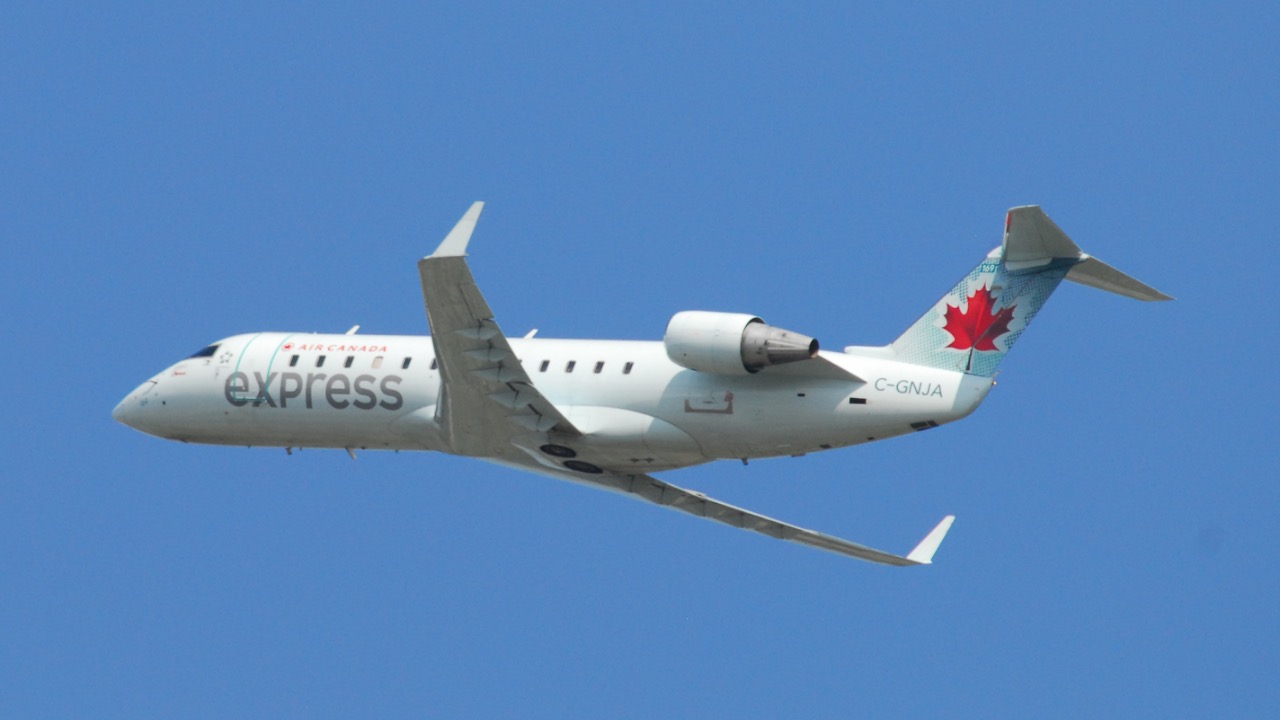
The Air Canada Express passenger jet was on final approach to LaGuardia’s runway when the situation began to unravel. Investigators who reviewed the cockpit voice recorder say the crew had already completed the landing checklist and was focused on a routine touchdown when the traffic picture on the ground changed.
Around the same time, a fire truck moved toward the active runway. Officials later said the truck lacked a working transponder, which meant it did not appear on some of the airport’s surface tracking systems in the way a normal vehicle would. As the Air Canada Express aircraft descended to about 30 feet above the ground, the controller issued an instruction that would prove critical.
Inside the cockpit, the pilots were still committed to landing. The audio captures a calm but busy crew, running through standard calls as the jet crossed the threshold. Only seconds remained before impact.
Seconds of confusion, then impact
Investigators say the decisive moments began when the tower cleared the emergency vehicle to cross the runway while the Air Canada Express jet was already on short final. One account notes that the key instruction from the controller came just three seconds before the aircraft reached the point where a go-around would have been most effective. The pilot responded that they would do what they could, but physics and momentum were no longer on their side.
On the cockpit recording, voices rise as the crew spots the vehicle. One of the last calls is a shouted warning to “stop, stop” directed at the truck, followed by an attempt to pull up. The jet struck the vehicle nine seconds after the truck entered the runway, killing two people and tearing open the fuselage.
National Transportation Safety Board investigators later described those final seconds as a textbook example of how layered protections can all fail at once. The controller believed the runway was clear. The crew believed any ground traffic had been held short. The truck crew believed they had been cleared to cross safely.
What the cockpit audio reveals
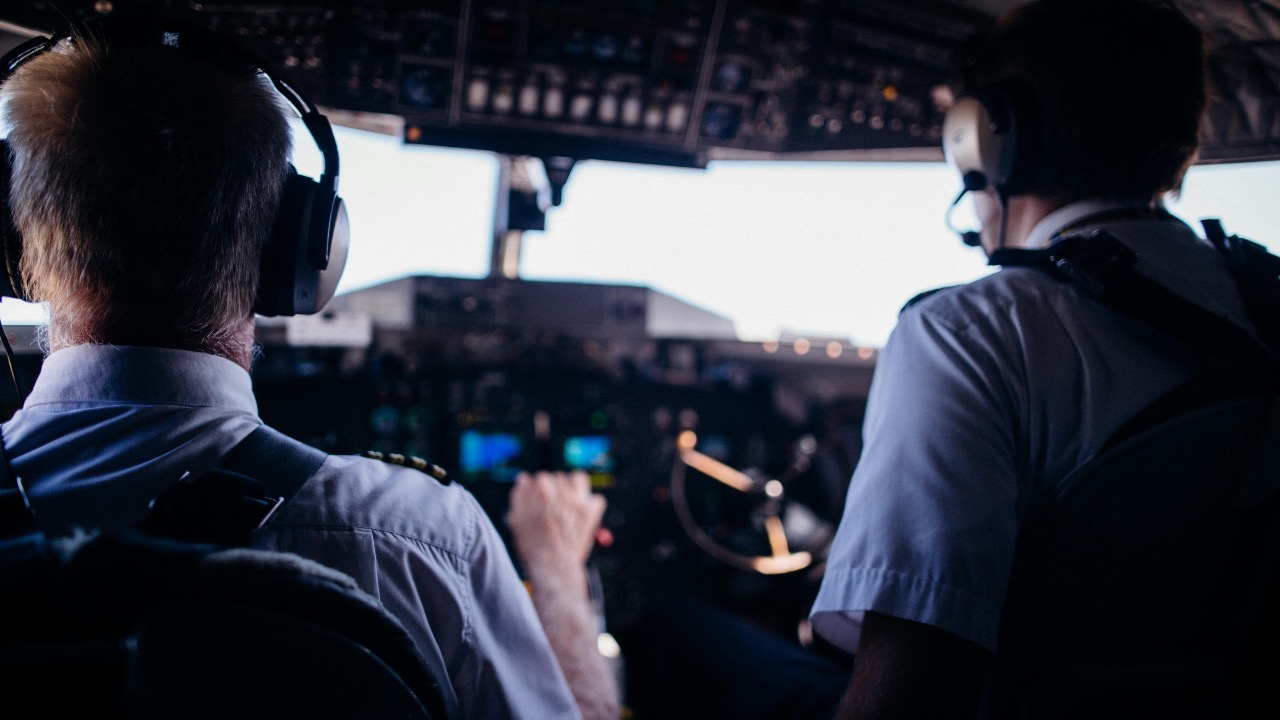
The cockpit voice recorder is designed to capture the last two hours of sound on the flight deck, and in this case, the most revealing portion is the final three minutes. In that window, investigators heard a series of routine exchanges, followed by a rapid escalation as the danger became apparent. The audio from the shows that the crew initially believed they had a clear runway and only realized the conflict when the truck was already in their path.
Separate air traffic control recordings capture a different kind of anguish. In one clip that spread quickly online, a controller can be heard saying “I messed up,” a stark acknowledgment of personal responsibility in the immediate aftermath. That moment, shared in an ATC Controller’s Heartbreaking clip, has already become a focal point in the public conversation about accountability.
Investigators are careful to stress that the recording is one piece of a larger puzzle. Even so, the combination of cockpit chatter, tower instructions and truck radio calls offers a rare, second-by-second reconstruction of how a normal landing turned into a fatal collision.
Multiple failures on the ground
Beyond the cockpit, the LaGuardia crash has exposed gaps in ground safety systems. The fire truck involved did not have a functioning transponder, which meant the airport’s surface radar could not automatically flag a conflict. A detailed breakdown of the final three minutes notes that the fire truck lacked and that the jet’s crew only received a warning about the vehicle seconds before impact.
On the tower side, staffing and workload are under scrutiny. A short video of the aftermath, labeled Chilling air traffic, captures the stunned reaction in the control room as controllers realize the severity of what has happened. The National Transportation Safety Board is reviewing whether existing procedures for coordinating aircraft and emergency vehicles on active runways were followed, and whether those procedures are sufficient at a complex field like LaGuardia.
The collision has also renewed attention on the airport itself. LaGuardia, identified in one federal New York airport, handles a dense mix of regional jets and ground movements in a tight footprint. That environment leaves little margin when communication breaks down.
Investigators track a three-minute chain of errors
As the investigation moves forward, officials have focused on the final three minutes of cockpit and tower audio. A detailed account of those moments, shared in a Cockpit New York report, describes how the Air Canada crew received conflicting impressions about the runway status as they descended. The pilots believed they had been cleared to land, while the controller later cleared the truck to cross.

Asher was raised in the woods and on the water, and it shows. He’s logged more hours behind a rifle and under a heavy pack than most men twice his age.