Why Fish Aren’t Biting Like They Used To
Across lakes, rivers, and coastal flats, a lot of anglers are noticing the same thing: spots that used to be automatic now feel empty, and the bites that do come are smaller, softer, and harder to convert. The fish are still there, but they are more pressured, more sensitive to conditions, and far less forgiving of sloppy decisions than they were a decade ago. If you want to keep catching them, you have to understand how their world has changed and adjust your approach with the same discipline you would bring to a tough elk hunt or a late-season duck blind.
I have watched that shift play out on my own home water, where the old milk runs do not produce like they used to and the fish that follow a lure to the boat seem to think twice before committing. The reasons range from weather and water quality to fishing pressure, sound, and even learned behavior, but they all point in the same direction: anglers who cling to nostalgia will struggle, and anglers who read the conditions, respect the fish, and fish smarter will still put plenty in the net.
Fish Are Moving More Than You Think
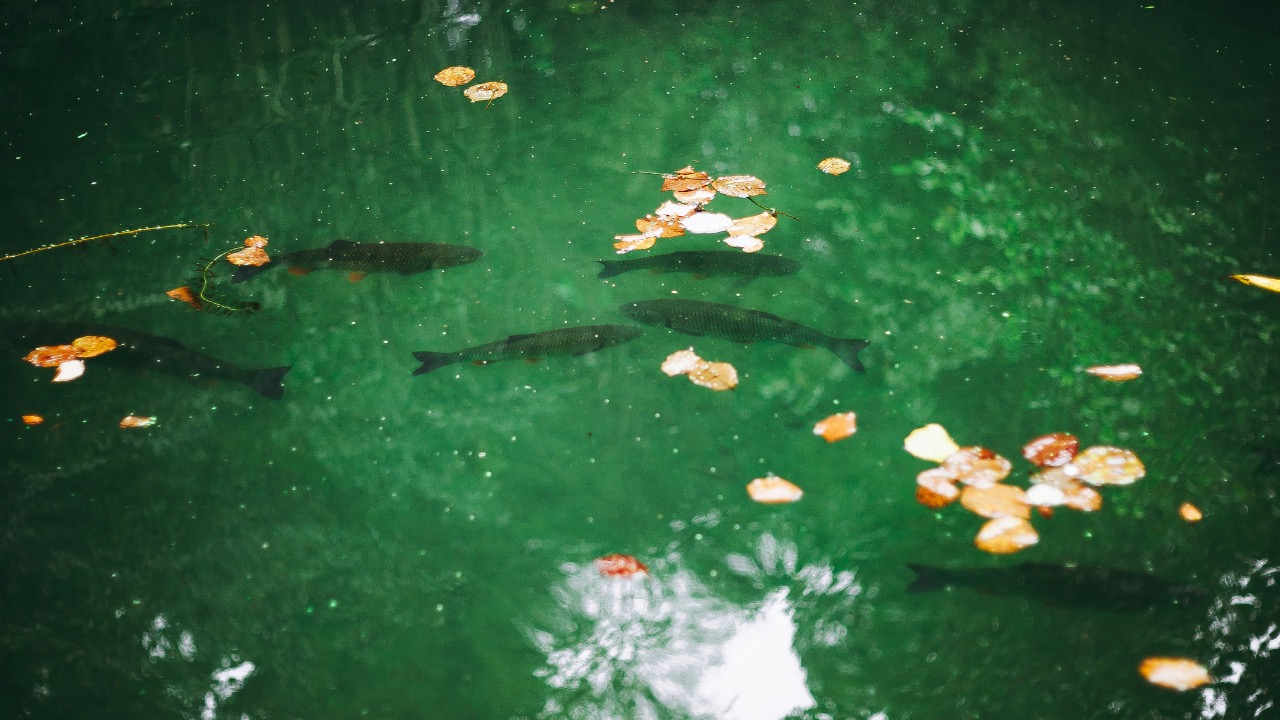
One of the biggest reasons anglers feel like fish have vanished is that we keep going back to the same stump, dock, or grass line because we “caught them here before.” In reality, fish shift with seasons, water levels, forage, and pressure, and a single brush pile or laydown is not a retirement plan. Tournament pros talk openly about how fish slide from point to point, or from a shallow flat to the nearest break, and how clinging to yesterday’s pattern is a fast way to zero, which lines up with advice that You cannot treat one tree as a plan for success.
Finding fish is the hardest part of bass fishing, and most of us make it worse by camping on dead water instead of covering new water with a purpose. Some coaches recommend hard rules like a 30 minute timer and a no repeats policy on unproductive spots, which forces you to keep moving until you intersect active fish and helps you avoid the trap of nostalgia, a point hammered home in a video that flatly states that Finding them is the real work.
Weather, Pressure, And The Invisible Hand Of The Atmosphere
Even when you are around fish, the atmosphere can shut their mouths. Barometric swings, fronts, and temperature changes all affect how comfortable fish feel and how far they are willing to move to eat. Fisheries biologists and veteran guides have long pointed out that barometric pressure is one of the key environmental variables that shapes catch rates, right alongside fishing pressure and moon phase, and that understanding Understanding Barometric Pressure can turn a dead day into a grind that still produces a few bites.
On top of that, the simple question of how long you wait in one place is tied to conditions. Studies summarized by walleye specialists show that the average angler needs a certain window of time to hook a fish in freshwater, and that window stretches when fronts push fish deeper or make them lethargic. One breakdown notes that Studies show the average wait time grows as conditions deteriorate, which means patience and spot selection have to work together instead of against each other.
Cold, Heat, And The Narrow Comfort Zone
Fish are cold blooded, so their body temperature tracks the water around them, and that makes temperature one of the most unforgiving variables in the whole game. When a cold snap rolls in, a lot of anglers hang it up, but experienced ice and late fall fishermen know that fish still feed, they just do it in tighter windows and in more predictable zones. One cold water guide points out that there are plenty of days when it gets pretty chilly and eventually downright cold, but that does not mean we need to quit fishing, it means we need to adjust, which is exactly the point made in a cold weather piece that starts with the word However and goes on to explain how to keep catching when the weather is cold.
On the flip side, summer heat can be just as tough, especially in shallow lakes and ponds where oxygen levels drop and fish slide to deeper, cooler water or hug current seams. One breakdown of common mistakes lists “Not Considering Water Temperature All freshwater fish are cold-blooded” as a core reason anglers blank, emphasizing that every species has a preferred range and will change depth, location, and feeding windows to stay in it. That reminder, spelled out in a list of Considering Water Temperature the time, is a polite way of saying that if you are not tracking temperature, you are guessing.
Fishing Pressure And Fish That Actually Learn
In heavily fished lakes, rivers, and coastal zones, fish are not just getting hooked more, they are adapting to that pressure. Biologists and seasoned anglers have documented that after being caught and released, some bass become more cautious around certain lures or presentations, and that they may avoid the exact combination of color, sound, and speed that burned them before. One summary of lab and field work notes that researchers found that after being hooked, bass were less likely to hit the same bait again, and that they are not simply reacting, they are adapting, a point laid out clearly in a piece that asks whether a bass will hit the same lure twice and concludes that Researchers found they often will not.
Veteran pros have seen the same thing from the front deck. Mike Iaconelli, a Mike Iaconelli, Hall bass angler, has said he is convinced that bass get conditioned by fishing pressure, and that they learn to avoid the most popular lures and obvious spots. That lines up with biologists who describe “conditioned” fish that have been pounded for too long and start to shy away from certain profiles and sounds, which helps explain why last year’s hot bait suddenly stops working on your favorite community hole.
When Fish Follow But Refuse To Commit
Few things are more frustrating than watching a fish track your lure all the way to the rod tip, only to fade away at the last second. That behavior has become more common on pressured flats and clear water lakes, and it is often a sign that the fish are interested but not convinced. In one breakdown of common mistakes, the host singles out lure speed and cadence as the number one factor in turning followers into biters, arguing that if you get that cadence just right, as he demonstrates, you can trigger the strike, a point he makes in a segment that is timestamped in Oct and focuses heavily on speed control.
Another video from the same instructor, Capt. CA Richardson, lays out three reasons fish might follow but not bite, including lure size, profile, and the way the bait enters and exits the strike zone. The takeaway is that these fish are not “off,” they are evaluating, and a small change in retrieve, angle, or downsizing can flip the switch. When you see followers, the answer is rarely to leave, it is to adjust until you match what those fish are willing to eat in that exact moment.
Smell, Sound, And How Fish Sense The World
Anglers tend to obsess over color, but fish live in a world of scent and vibration long before they see the bait. Bass and other predators use their lateral line to feel pressure waves and their noses to track chemical trails, which is why some lure makers have leaned hard into infused plastics and subtle vibration. One breakdown of modern lure design notes that Scented soft plastics are a popular choice among bass anglers because they are infused with smells that mimic natural prey and can make fish hold on longer, especially when fish may be more cautious, a point spelled out in a piece that highlights how Scented baits change the game.
Sound is just as important. Fish evolved to be highly sensitive to sounds and vibrations because they live underwater where visibility is low, so they rely on their ears and lateral lines as much as their eyes. One explainer notes that Fish are tuned to tiny pressure changes and can detect vibrations that humans never notice, which is why trolling motors, dropped pliers, and constant sonar pings can put them on edge. Researchers looking at non physical barriers have even used sound stimuli to modify fish behavior, noting that the effect of sound stimuli as a means of changing fish response has received the most attention among control techniques, as detailed in a technical paper on The effect of sound on fish movement.
Environmental Change And Human Footprints
Beyond day to day conditions, long term environmental shifts are changing how and where fish feed. Warmer water, altered current patterns, and changes in prey abundance can all make once reliable patterns fall apart, even if the shoreline looks the same. Fisheries managers who work on private ponds and lakes point out that some of the reasons fish do not bite are tied to environmental variables like barometric pressure and moon phase, and that anglers have limited control over their catch rates when those factors line up against them, a reality spelled out in a management guide that notes that For example, some of the reasons fish do not bite are simply out of our hands.
Human activity piles on top of that. Coastal communities have watched traditional fisheries struggle as food sources, water quality, and gear regulations all shift, and scientists have been blunt that while food, environmental changes, or other factors might contribute to the problem, human actions can more easily be controlled. One analysis of a New England fishery notes that While environmental shifts matter, the levers we can pull include catch limits, enforcement, and gear changes, which all feed back into how many fish are available to bite in the first place.
Are Fish Actually Getting Smarter?
Ask a room full of old timers whether fish are smarter than they used to be and you will get a lot of eye rolls, but the science and on the water experience both suggest that pressured fish do learn. One biologist driven Q and A describes the most debated theory as the idea that after being pounded for too long, fish get conditioned to certain lures and will not hit them anymore, which is why a bait that was hot one year suddenly stops producing on the same lake. That piece flatly states that Arguably the most debated theory is that pressured fish learn to avoid specific offerings, and the evidence is piling up that they do.
On the saltwater side, captains have seen the same pattern. One coastal writer admits that on the surface it sounds ridiculous to say fish are getting smarter, But he points out that in heavily fished bodies of water, fish absolutely change their behavior, avoid popular lures, and stop hitting them after enough negative experiences. That observation, summed up in a blog that bluntly says But we do know for a fact that fish in heavily fished waters will stop hitting popular lures, matches what many of us see when a new bait crushes for a season and then fades as every boat on the lake starts throwing it.
Fixing Angler Mistakes And Fishing Smarter
For all the talk about smarter fish and tougher conditions, a lot of missed bites still come down to angler error. Common mistakes include fishing the wrong areas, ignoring wind and current, and refusing to adjust lure size or speed when the fish clearly want something different. One practical list of reasons you may not be catching fish starts with Fishing the Wrong Areas and points out that if the fish are not where you are casting, it does not matter how good your bait looks, a reminder that Here is where most anglers lose the game before they even start.

Asher was raised in the woods and on the water, and it shows. He’s logged more hours behind a rifle and under a heavy pack than most men twice his age.