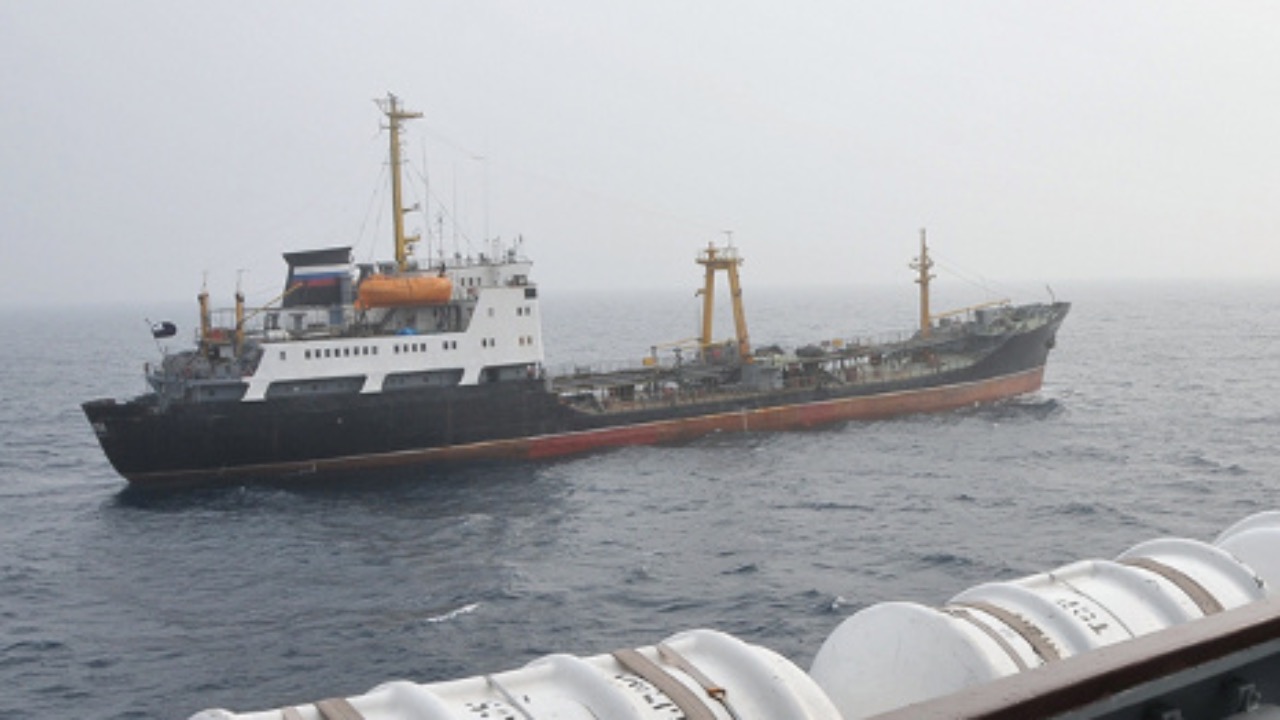
Russian tanker raises concern as it nears Cuba
A Russian oil tanker carrying hundreds of thousands of barrels of crude is closing in on fuel-starved Cuba, turning a routine commercial voyage into a high-stakes test of United States sanctions policy. As the ship nears the island, Washington faces a choice between enforcing its de facto oil embargo and risking a confrontation with Moscow, or allowing a vital lifeline that could ease Cuba’s deepening energy crisis.
The journey has already drawn intense scrutiny from maritime trackers and diplomats, underscoring how far the Trump administration is prepared to go in its effort to squeeze Havana, and how willing Russia is to challenge that pressure in the Caribbean.
A tanker, a blackout-prone island and a misleading destination
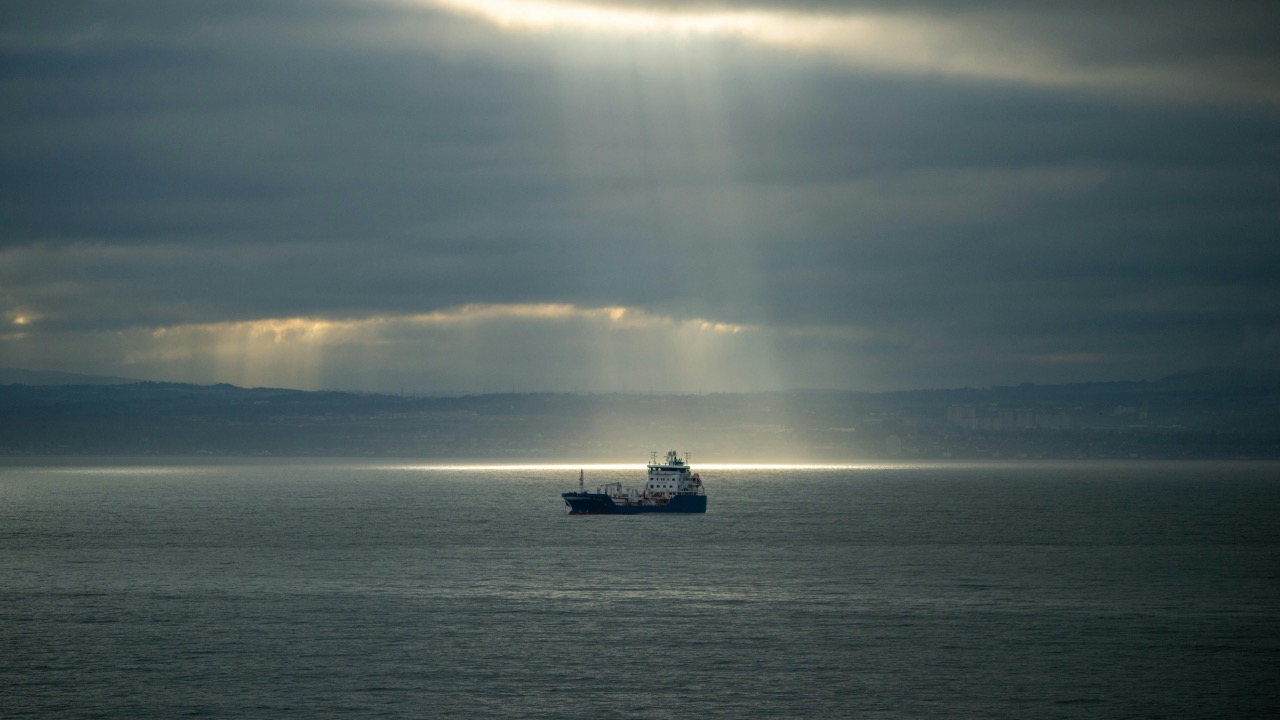
According to shipping data cited in regional reporting, a Russian tanker loaded with hundreds of thousands of barrels of oil is steaming toward Cuba, even as its transponder has broadcast a misleading destination in an apparent effort to obscure its route. The ship is expected to arrive near Cuban waters within days, a moment framed as a looming decision for Washington over whether to physically block the cargo or allow it to dock in Havana or another Cuban port. One detailed account describes how the tanker is carrying “desperately needed oil” for an island that has endured long fuel lines and recurring blackouts, and casts the approach as a direct test of United States enforcement of its oil restrictions on Cuba, with the situation tracked closely in Miami.
The vessel is described as Russian flagged and under sanctions, raising the stakes for any company or port that assists it. Maritime analysts note that the tanker’s behavior, including the misleading destination signal, fits a pattern seen in other sanction-busting operations that try to mask final buyers or routes.
Cuba’s energy crisis and the search for new suppliers
Cuba’s need for this shipment is severe. The island is in the grip of a deepening energy crisis marked by widespread blackouts and fuel shortages, with power cuts disrupting factories, hospitals and basic transport. Reports on the approaching tankers explain that both shipments from Russia arrive as Cuba struggles to keep the lights on and maintain public services.
The crisis worsened after traditional suppliers were cut off or constrained. Earlier this year, the Trump administration intensified pressure on Havana after the capture of Venezuelan president Nicolás Maduro, a move that disrupted Venezuelan crude deliveries that had long propped up the Cuban system. One account notes that the US has sought to tighten an economic blockade on Cuba and has targeted support networks, including in the energy sector, that previously helped Havana weather shortages.
With Venezuelan flows disrupted, Cuban officials have turned to Russia and other partners to plug the gap. The Russian flagged Anatoly Kolodkin is one of the tankers identified as carrying crude to Cuba, while a second vessel is believed to be transporting refined products, according to maritime tracking data cited in separate coverage of Russian tankers.
Washington’s hard line and a de facto oil embargo
The Trump administration has openly warned other governments and companies not to send fuel to Cuba, hoping to choke the government into submission. United States officials have described their approach as a de facto oil embargo, using sanctions and the threat of penalties to scare off shippers and insurers. One detailed report explains that a Russian oil tanker heading toward Cuba is seen as a direct challenge to that strategy, and that the Trump administration has threatened other nations that consider supplying Havana.
The U.S. Treasury Department has reinforced that message. Officials there have stated that Cuba is prohibited from taking Russian oil while two tankers head for the island, signaling that any port, broker or insurer involved could face penalties under existing sanctions. Coverage of the current crisis notes that the Treasury Department has made clear that the United States intends to enforce its restrictions aggressively, even when humanitarian arguments are raised.
The tanker’s expected arrival is emerging as a key test of United States policy toward Cuba under President Donald Trump, whose administration has tightened sanctions and sought to block fuel shipments from reaching the island. Analysts describe a looming decision for Washington over whether to physically interdict the vessel, pressure third countries to deny it services, or quietly tolerate the delivery in order to avoid escalation.
Moscow’s message and the “humanitarian support” claim
Russian officials have framed the shipment in very different terms. According to accounts that quote Moscow’s line, the Kremlin argues that “we are providing humanitarian support” and that the move is intended to help the island cope with severe shortages caused by a United States blockade. One report on the tanker’s approach notes that Russian authorities insist the cargo is a lifeline for ordinary Cubans, even as outside analysts say the timing and publicity look more geopolitical than altruistic, a point highlighted in coverage of how the tanker tests United States strategy.
By sending a sanctioned vessel into the Caribbean, Russia signals that it is willing to challenge United States red lines close to American shores. The move also helps Moscow position itself as a defender of countries under United States sanctions, from Cuba to Venezuela, and gives it leverage in broader negotiations with Washington on unrelated issues.

Asher was raised in the woods and on the water, and it shows. He’s logged more hours behind a rifle and under a heavy pack than most men twice his age.