U.S. destinations that could disappear sooner than expected
Across the United States, some of the most beloved natural and cultural sites are changing faster than visitors realize. Rising seas, stronger storms and shifting temperatures are already reshaping coastlines and national parks, and scientists warn that several marquee destinations could be radically altered within a few decades. For travelers, that raises a stark question of timing: see them now, or risk finding a very different place in the future.
Glacier National Park: A namesake on borrowed time
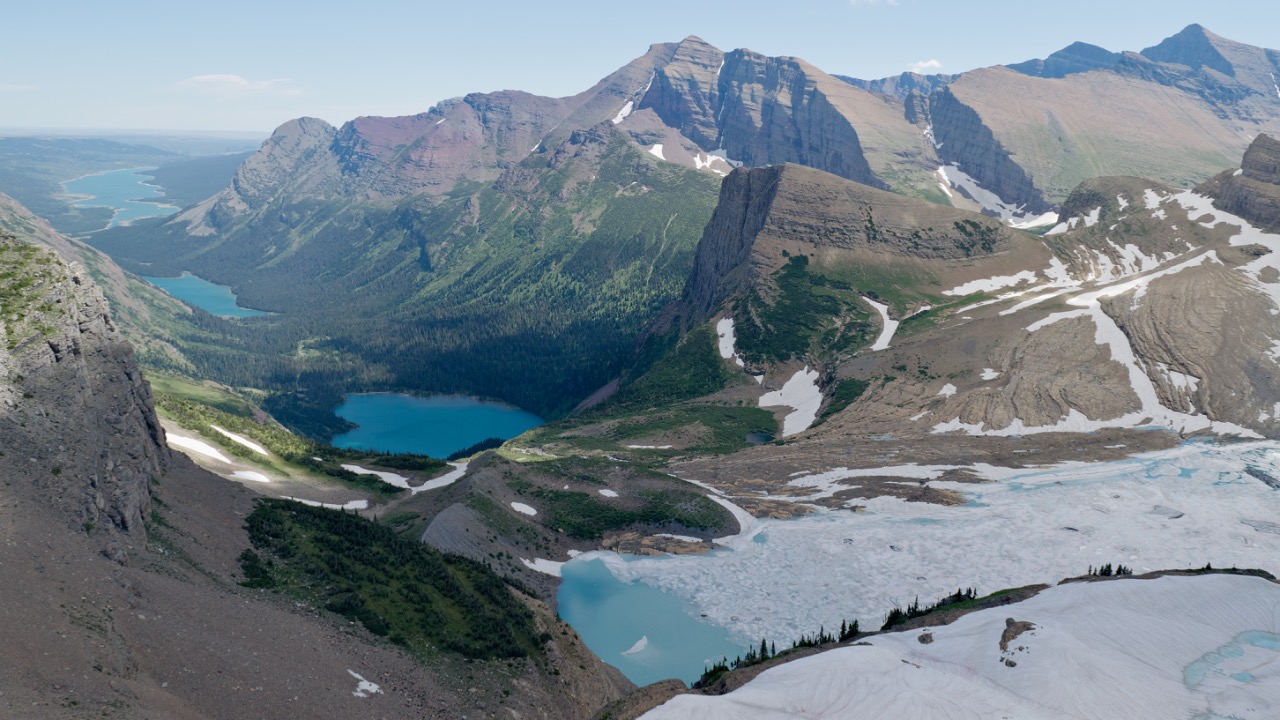
Montana’s Glacier National Park was created to protect ice-carved peaks and the rivers of meltwater that flow from its high-country glaciers. Those glaciers are shrinking so quickly that researchers and park managers now openly discuss what the park will look like when the ice is gone. One analysis of at-risk destinations asks bluntly, “What will Glacier National Park be without any glaciers?” and warns that visitors are “probably going to find out” within this century.
Earlier work on Glacier National and other western parks has tied this retreat to human-driven warming, which shortens winters and lengthens the melt season. Reports on western protected areas, including Losing Ground and Western National Parks Endangered by Climate Disruption in the American Wes, describe shrinking snowpack, more wildfire and stressed wildlife as interconnected pressures. Together, they suggest that the park’s signature ice fields and the alpine ecosystems built around them are living on borrowed time.
Everglades and Dry Tortugas: Drowning at the ocean’s edge
In southern Florida, the low-lying wetlands of the Everglades sit only slightly above sea level. The official description of the park highlights its vast “river of grass,” but climate scientists now describe a different flow: saltwater pushing inland as seas rise. Federal summaries of climate impacts on public lands note that coastal parks face a distinct trajectory, with rising seas and storm surge that threaten salt marshes, mangroves and coastal forests that may never be restored to previous conditions.
Park materials for the Everglades already flag saltwater intrusion and stronger hurricanes as major threats. As saltwater moves into freshwater marshes, it kills sawgrass and cypress and opens the door to open water. That process could eventually convert large parts of the park into shallow bays, erasing habitats that exist nowhere else in the country.
Farther out in the Gulf of Mexico, Dry Tortugas National is even more exposed. The park’s islands and historic fort sit atop coral reefs only a few feet above sea level. Official park information describes a remote archipelago accessible only by boat or seaplane, which also means every inch of land is vulnerable to storm surge. As seas rise and stronger hurricanes sweep across the Gulf, scientists warn that low coral islands like these could be partially or completely swallowed by waves.
Planning documents for Dry Tortugas National already contemplate higher seas and more frequent flooding. For visitors, that could mean fewer intact beaches, damaged reef systems and, in the worst storms, serious harm to the 19th century brick fort that anchors the site.
Joshua Tree and the vanishing desert icons
Climate disruption is not just a coastal problem. In California’s high desert, Joshua Tree National faces a future in which the trees that gave it a name may not survive. Climate scientists who have studied national parks warn that some changes threaten the very features these sites were created to protect, and they single out Joshua Tree National Park as a place that could lose its Joshua tree woodlands under hotter, drier conditions.
Park information for Joshua Tree National notes that the twisted yuccas thrive within a narrow climate band. As temperatures rise and droughts lengthen, seedlings struggle to establish, wildfires spread more easily through invasive grasses and older trees die back. Modeling suggests that large parts of the park could become too hot or too dry for new Joshua trees to take root, leaving future visitors with rocky hills and open scrub where dense groves once stood.
Statue of Liberty and sinking coastal cities
Climate change is also reshaping the country’s most famous urban icons. The Statue of Liberty in New York Harbor stands on Liberty Island, where rising seas and stronger coastal storms are already forcing expensive repairs. Analyses of national landmarks at risk list the Statue of Liberty, New York City It stands upon Liberty Island as a symbol of freedom, alongside other historic sites that face more frequent flooding as water levels climb along the rest of the US shoreline.
Researchers examining land elevation in major urban areas have found that several coastal cities are not only threatened by higher seas but are also sinking. A new satellite analysis of land elevation in the 28 most populous U.S. cities reveals that many of Ameri’s largest coastal urban areas are subsiding, which magnifies flood hazards. Another study of coastal risk notes that researchers previously determined that in cities like New York, Baltimore and Norfolk, Virginia, much of the infrastructure sits at elevations that are already vulnerable to storm surge.

Asher was raised in the woods and on the water, and it shows. He’s logged more hours behind a rifle and under a heavy pack than most men twice his age.