The regions where feral hogs are becoming impossible to ignore
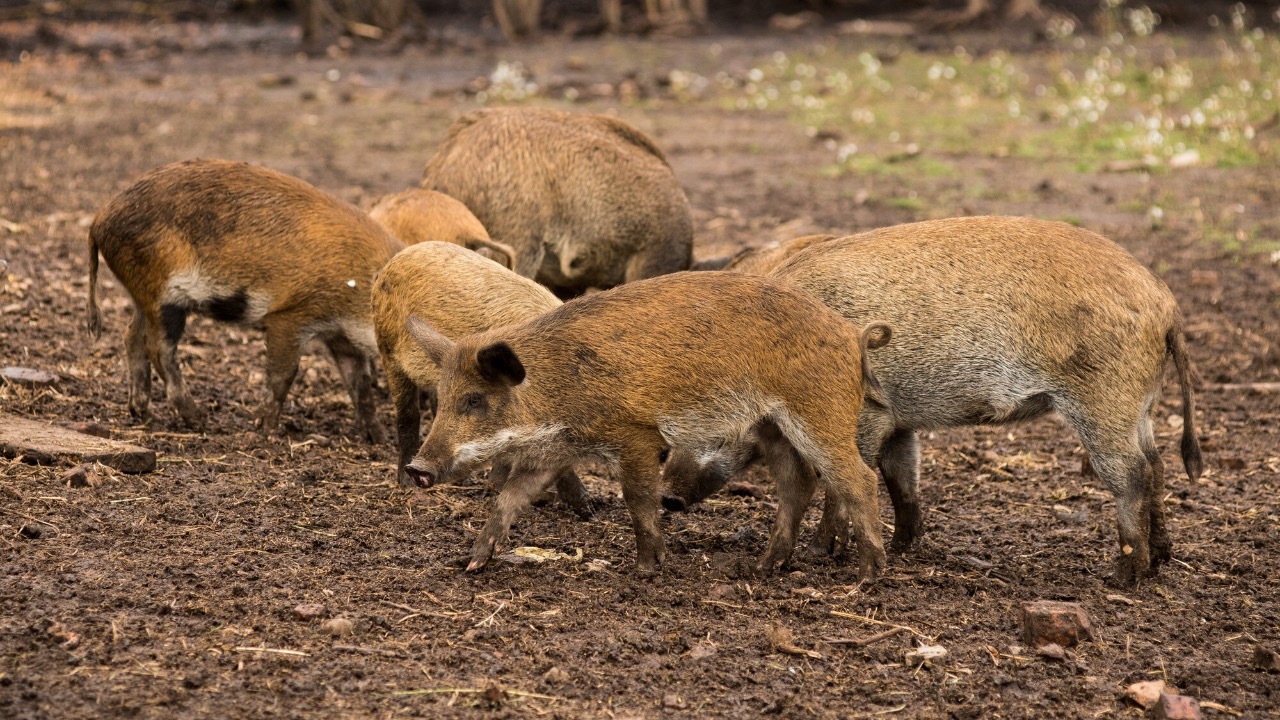
Across farm fields, suburbs and wetlands, feral hogs have shifted from rural nuisance to a fast-moving ecological and economic crisis. Their numbers are climbing, their range is spreading and regions on the front lines are discovering how hard it is to push back once wild pigs are established.
The animals root up crops, eat ground-nesting wildlife, erode streambanks and spread disease, all while reproducing at a pace that outstrips most control efforts. From the American South to South America, Europe and Asia, the places where feral hogs are becoming impossible to ignore share a common story: humans helped create the problem, and now the bill is coming due.
From Eurasian forests to global invader
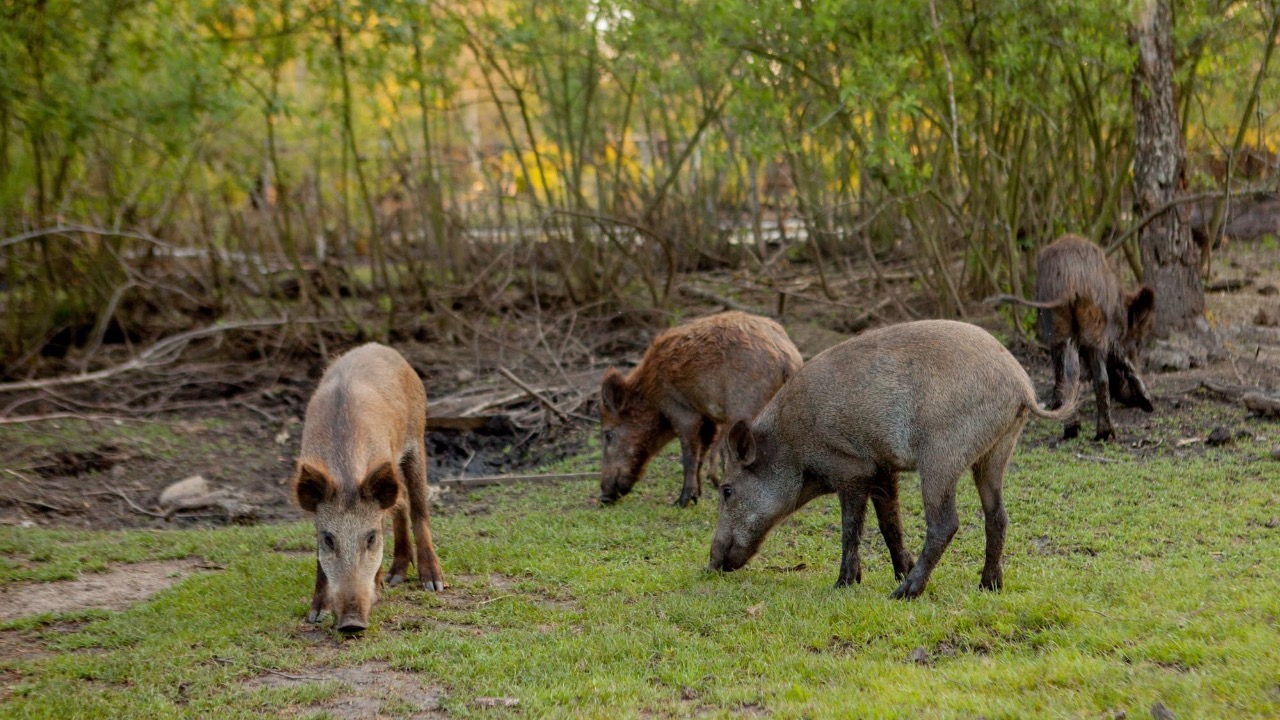
Modern feral hogs trace their roots to the Eurasian wild boar and domestic pigs that were transported around the world for food and hunting. As one technical overview notes, these animals expanded from their native range within the Eurasiansuper continent into North and South America, Australia and island chains where they had never existed before.
Once free on new continents, the pigs proved alarmingly adaptable. A national invasive species profile explains that Feralswine now damage crops, forests and rangelands, with new invasions recorded in parts of the Northwest. Their omnivorous diet and high intelligence let them exploit everything from corn fields to turtle nests. Once a few animals establish a foothold, nearby populations quickly refill any gaps created by hunting or trapping, a pattern highlighted in recent assessments of the North American pig problem.
Globally, the trend is similar. One synthesis of international research describes a Worldwide issue that now affects ecosystems, livestock and humans on multiple continents. The animals are no longer confined to remote forests; they are showing up on highways, in suburbs and even inside major cities.
The U.S. South: Ground zero for feral hog damage
Within the United States, the South has become the epicenter of the crisis. Maps compiled by wildlife agencies show feral hogs entrenched across much of the region, with especially dense populations in states such as Texas, Florida, Georgia, Alabama and Louisiana. One detailed story map on Feral Hogs in the South singles out Texas as having the highest hog population of any state, with animals present in nearly all of its 254 counties.
The economic stakes are staggering. According to the USDA, wild hogs cause approximately $2.5 billion in agricultural damages each year in the United States. That figure covers lost crops, destroyed fences, soil erosion and the cost of control programs. A separate account from The ODNR, cited in a regional report, stresses that Unfortunately, wild pigs pose a significant threat to agriculture, natural resources and native ecology, tearing up orchards, hayfields, pastures and even residential yards.
Federal agencies are starting to respond at scale. The U.S. Department of Agriculture recently announced $75 million in funding for a pilot program to control feral pigs across several states. That initiative, which channels $75 m into targeted trapping and outreach, is an acknowledgment that scattered local efforts have not been enough.
Texas and its neighbors: A spreading southern core
Texas is often described by wildlife managers as the heart of the American wild pig problem. Population tables that rank states by wild hog numbers show Texas with a clear lead, and one analysis of the Wild Hog Population by State identifies it as home to the largest share of the national total. A separate ranking of states with the worst feral hog problem estimates that Texas has over 1.5 m wild pigs, a figure that illustrates why ranchers there describe the animals as a constant presence rather than an occasional visitor.
Neighboring states are watching the same trend. In Oklahoma, feral hogs are now common enough that some counties report near continuous damage to winter wheat and pasture. To the east, Louisiana land managers blame wild pigs for undermining levees and degrading cypress swamps. A national habitat overview notes that feral hogs have been documented in every coastal state along the Gulf, where they threaten wetlands that already face sea level rise and pollution.
Farther east, Alabama and Florida have become popular destinations for hog hunting, a reflection of just how abundant the animals are. A hunting guide that lists Hog Hunting States, along with each State and its Estimated Population, places Alabama near the top of the list, with an especially high Estimated count of feral pigs. That same culture of recreational hunting coexists with serious concern among biologists who warn that hunting alone often removes the wrong animals and can spread pigs into new areas as people move them for sport.
Georgia’s breaking point
Georgia has emerged as one of the most visible flashpoints in the southeastern pig problem. State officials and landowners describe a situation in which millions of feral hogs are tearing through the South, and a recent video feature argues that Feb brought renewed attention to just how severe Georgia’s situation has become.
Rural communities such as Abbeville, along with other farming towns, report hogs ripping through peanut fields, cotton and young pine plantations. A statewide overview of Georgia highlights how the animals have moved from river bottoms into suburban edges, where they damage lawns and golf courses and raise safety concerns on roads.
Local wildlife managers describe a familiar cycle. Landowners invest in corral traps and night shooting, numbers appear to drop for a season, then new pigs arrive from neighboring properties. A federal climate hub analysis labels this pattern a Take on a feral swine bomb, where populations expand from a few scattered counties in the 1950s to a near continuous band across the Southeast. Georgia now sits in the middle of that band.
Pigs on the move: From the Northwest to the Great Plains
For years, wildlife officials in the northern and western United States watched the southern outbreaks with a mix of concern and distance. That separation is fading. The national invasive species profile on wild boar notes that feral swine have recently invaded parts of the Northwest, with animals documented in southwestern and central Oregon since 2004. Those pigs damage vineyards, timber plantations and rangelands, and they complicate efforts to protect threatened salmon streams from erosion.
To the north, biologists warn that wild pigs are close to entering Montana, where they would find a mix of grain farms and wildlife refuges that could support rapid expansion. A video investigation into why America and Canada are losing a war to pigs describes how every time local numbers are reduced, they are quickly replenished by nearby populations, and calls for more coordinated cross border strategies.
States that once had only scattered sightings, such as Michigan and Pennsylvania, now treat feral swine as priority invasive species. Rapid response teams there try to eradicate small groups before they become breeding populations, a contrast with the southern states where eradication is no longer realistic.
Beyond North America: South American biodiversity hotspots
South America has its own feral pig emergency, and in some ways the ecological stakes are even higher. A large scale scientific analysis of wild pigs and biodiversity found that among biodiversity hotspots, the Among Atlantic Forest, Cerrado and Chilean Winter Rainfall Valdivian Forests included 44.7% of wild pig records across the region. That figure, 44.7%, means nearly half of the documented wild pig presence overlaps with some of the planet’s most irreplaceable ecosystems.
In countries such as Argentina, Uruguay, Brazil and Chile, researchers now track wild and feral pigs as a leading threat to native plants and animals. A report on hunting for the wild and feral pigs ravaging Argentina and South America cites a paper in the Journal for Nature, co authored by Ballari, that documents how pig numbers have surged in Patagonia and the Pampas.
Those animals trample wetlands used by migratory birds, dig up native grasslands and prey on ground nesting species that did not evolve with such a powerful omnivore. A global overview of feral hog infestations, published in Jul, notes that these regions each face unique challenges in managing feral hog populations, and that their stories highlight the complex nature of the threat caused by feral hog populations.
Europe’s creative responses
Europe’s wild boar are genetically closer to their original Eurasian ancestors, but their behavior and impact look very similar to feral pigs elsewhere. Populations have grown across the continent, fueled by mild winters, abundant crops and hunting practices that sometimes favor keeping numbers high.
In Poland, wild boar can be hunted year round, a policy that has been in place since 2017. According to the According to the Polish Hunting Association, in 2021 there were over 4 million wild boar harvested across the country, yet sightings in cities such as Warsaw persisted. In Spain, wild boar have become common in suburbs around Spain’s major cities, where they raid trash bins and approach people in parks.
Some European countries have experimented with unusual tools. Municipalities deploy professional sharpshooters at night, use trained dogs to push boar out of urban greenbelts or test fertility control in closed populations. A global hunting culture has grown around these animals as well, with one management guide noting that Morocco and other countries consider wild pig hunting a national sport, even as conservationists worry that sport hunting alone cannot solve the ecological damage.
Asia and islands: From rice paddies to volcanic slopes
Across Asia, wild boar and feral pigs intersect with dense human populations and traditional agriculture. In Japan, boar raid rice paddies and orchards, prompting electric fencing and community hunts. In India, wild pigs are frequent crop raiders in states that border forests, where they also compete with native herbivores and attract large predators closer to villages.
Island ecosystems are particularly vulnerable. In Hawaii, feral pigs wallow in high elevation forests, spreading invasive plants and mosquito borne diseases that threaten native birds. On other Pacific islands, pigs have been linked to coral reef decline through increased sediment runoff from eroded hillsides.
Even in places not usually associated with wild pigs, such as California, feral hogs now roam coastal oak woodlands and vineyards. A general background search for feral hogs shows how widespread the animals have become, with records on multiple continents and in habitats ranging from deserts to wetlands.
Why control is so difficult
Across all these regions, the same biological traits make feral hogs hard to control. They breed early and often, can shift their diet as food sources change and quickly learn to avoid traps and hunters. A global overview published in Juldescribes how every region faces unique challenges, yet all struggle with the same combination of intelligence and fecundity.

Leo’s been tracking game and tuning gear since he could stand upright. He’s sharp, driven, and knows how to keep things running when conditions turn.