The biggest mistakes new gun owners make
Buying your first gun feels like crossing a line into real responsibility. You’ve made a decision that carries weight, whether it’s for self-defense, hunting, or time at the range. What surprises a lot of new owners is how little the purchase itself matters compared to what comes after. The firearm is the easy part. The habits you build around it are what define you as a gun owner.
I’ve watched new shooters make the same avoidable mistakes year after year. None of them come from bad intentions. They come from inexperience, assumptions, and sometimes pride. If you’re new to this, you don’t need to be perfect. But you do need to be aware.
Treating the Gun Like a Talisman Instead of a Tool

A lot of new owners believe that once they have a firearm, they’re safer. The gun becomes a kind of security blanket. That mindset is dangerous because ownership alone doesn’t build skill, judgment, or awareness.
If you carry or keep a gun for defense, your real protection comes from training, avoidance, and decision-making. The firearm is a last option. When you start thinking of it as a magic solution, you stop sharpening the other skills that matter more. A gun is a tool. Tools only work well when the person using them knows exactly what they’re doing and when not to use them.
Ignoring Safe Storage Planning
Many first-time owners think safe storage can wait. They lean the rifle in a closet or tuck a handgun in a drawer and promise themselves they’ll buy a safe later. That “later” can stretch into years.
Safe storage isn’t optional, especially if you have kids, frequent visitors, or live in a shared space. Quick-access safes, lockboxes, and cable locks exist for a reason. You need to think through who can access your firearm and under what circumstances. Responsible storage protects you legally and morally. It’s one of the first decisions you should make, not an afterthought.
Buying Based on Internet Opinions Alone
The internet is loud. Every forum thread has someone declaring their favorite pistol flawless and every other brand garbage. New gun owners often walk into a shop already convinced by strangers online.
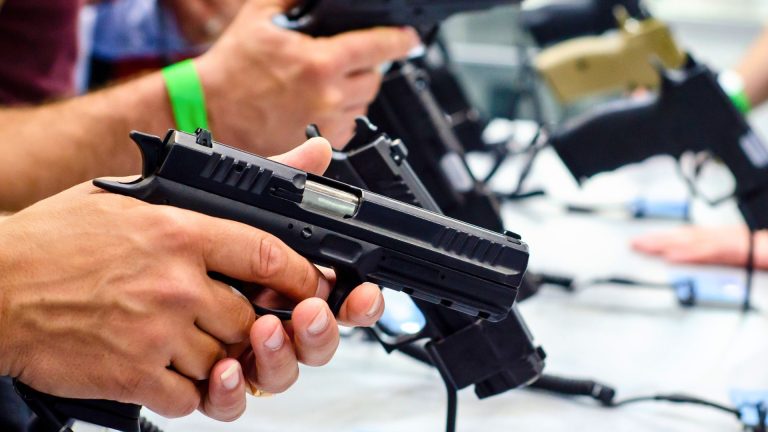
The problem is fit and purpose matter more than brand loyalty. What works for someone with larger hands or different experience may not work for you. Before committing, you should handle the firearm, dry fire if allowed, and, ideally, shoot it. Opinions are everywhere. Personal fit and real-world function are what count.
Neglecting Professional Training
YouTube is not training. Watching slow-motion reload videos does not replace standing on a range with someone correcting your grip and stance. New owners frequently assume they’ll “figure it out” over time.
Structured instruction accelerates learning and fixes bad habits early. A qualified instructor sees things you don’t—anticipation, poor trigger control, sloppy reload technique. Fixing those habits later is harder than building them correctly the first time. If you’re serious about ownership, invest in a class. It pays dividends in confidence and competence.
Failing to Understand Local Laws
Gun laws vary widely by state and even city. New owners often assume that if they bought the firearm legally, they understand the rules. That’s not always true.
Transport laws, storage requirements, carry restrictions, and use-of-force standards differ depending on where you live. Ignorance won’t protect you if you make a mistake. It’s your responsibility to know when you can carry, where you can’t, and what constitutes lawful defensive force. A few hours spent reading statutes or consulting a knowledgeable source can prevent life-altering consequences.
Overaccessorizing Too Soon
It’s tempting to bolt on everything at once—optics, lights, extended controls, aftermarket triggers. New owners sometimes turn a stock firearm into a project before they’ve even put 500 rounds through it.
Accessories can be useful, but you need a baseline first. You should understand how the gun runs in factory form before changing its balance or trigger weight. Adding parts without experience can introduce reliability issues or mask fundamental shooting errors. Learn the gun as it was designed. Modify it later with a purpose in mind, not because it looked good online.
Skipping Regular Maintenance
Some new owners clean obsessively after every range trip. Others don’t clean at all. Both extremes come from misunderstanding how firearms function.
You don’t need to scrub a defensive pistol after every magazine, but you do need to inspect, lubricate, and maintain it on a schedule. Carbon buildup, dry rails, and worn springs eventually cause problems. Maintenance isn’t complicated, but it is necessary. Knowing how to field strip, inspect key components, and reassemble correctly is part of responsible ownership.
Not Practicing Realistic Scenarios
Standing still at seven yards and punching tight groups feels good. It also doesn’t reflect most real-world defensive situations. New shooters often stop at static range drills because they’re comfortable.
You should gradually incorporate movement, target transitions, timed drills, and shooting from different positions—always within the rules of your range. Defensive shooting is about decision-making under stress. Paper accuracy is only part of it. Expanding your practice keeps you honest and exposes weaknesses before they matter.
Talking Too Much About What You Own
It’s natural to be excited about your first firearm. But broadcasting what you own, how many you have, and where you keep them can create unnecessary risk.
Loose talk at work, on social media, or even among casual acquaintances can make you a target for theft. Responsible ownership includes discretion. You don’t need to hide your identity, but you should be mindful about who knows details of your collection and storage setup. Security starts with information control.
Avoiding Hard Conversations at Home
If you live with a spouse, partner, or family, bringing a gun into the house changes the dynamic. New owners sometimes assume everyone else will adjust without discussion.
You need to talk about storage, access, emergency plans, and expectations. If others in your home are uncomfortable, ignoring that tension doesn’t fix it. Responsible ownership includes making sure everyone understands safety rules and what to do if they encounter the firearm. Clarity prevents accidents and resentment.
Owning a gun isn’t complicated, but it demands maturity. If you approach it with humility, discipline, and a willingness to learn, you’ll avoid most of these pitfalls. The mistakes are common. They’re also preventable.

Asher was raised in the woods and on the water, and it shows. He’s logged more hours behind a rifle and under a heavy pack than most men twice his age.