Hunting tactics that work better than expensive gear
Modern hunters are surrounded by high-priced rifles, carbon suits, and gadgets that promise instant success. Yet the tactics that consistently fill tags tend to cost time and discipline rather than money. Skill, woodsmanship, and smart planning still beat the latest catalog spread.
From patterning mature bucks to building better shooting habits, the most effective strategies rely on understanding animals and the environment. Expensive gear can help at the margins, but hunters who succeed year after year usually invest more in practice and preparation than in their credit card bill.
Practice: the cheapest upgrade to any setup
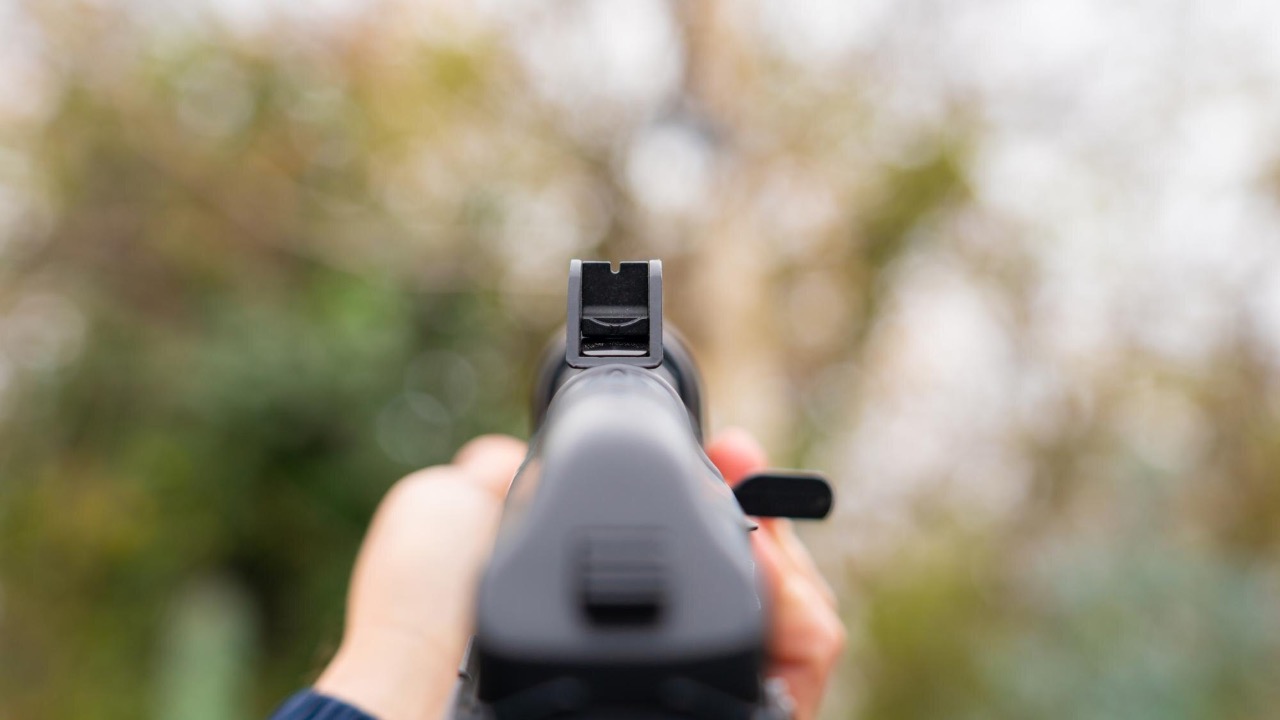
Every serious hunter eventually learns that the most valuable piece of equipment is the one between the ears and behind the trigger. Detailed advice on mature whitetails stresses that hunters should “Practice, Practice, Practice,” and that they should not stop when they can occasionally hit the target but instead keep working until they cannot miss under pressure. That message appears in guidance on Tips for Success, where the phrase “Don” is used in the context of not relaxing standards once basic competence arrives.
The same principle shows up in shooting instruction that breaks marksmanship into clear steps. A video that lays out “7 Steps to Become a Better Shooter As a hunter” explains that every ethical shot starts long before season with a repeatable process, from stance and grip to follow-through, and that the priority is to “Become” a “Better Shooter As” a matter of habit rather than luck. That guidance in Steps to Become a better shot does not require a custom rifle or premium optic.
Hunters who focus on practice instead of purchases also tend to refine their shot selection. They know their maximum ethical range because they have tested it on the range, not because a scope box suggested it. That discipline matters far more than a new accessory when the only shot of the season appears in fading light at the edge of the timber.
Skill over status gear
Many experienced hunters have started to push back against the idea that buying the most expensive setup will automatically improve results. A public post that reads “Expensive gear. Skill matters more. #hunting” frames the lesson in plain language, with “Lessons” learned from simple equipment and a nod to Stuart Klearman and his focus on Public Land Whitetails. The post highlights that good fundamentals on ordinary ground can outperform fancy setups on private fields.
Traditional bowhunters echo the same point. In a discussion of “Traditional Bowhunting Misconceptions! Expensive Hunting,” a speaker in Jun explains that many archers blame their equipment when the real issue is inconsistent form or poor shot choice. The video at Traditional Bowhunting stresses that a simple bow in trained hands can outperform a high-end rig in the hands of someone who has not put in the work.
Online debates about cost also reveal a pattern. One group discussion that asks “Does expensive gear make you a better hunter?” includes a comment from Jason SlapRock, identified as “Jason,” who writes that “Better equipment usually comes with a higher cost. Better equipment usually comes with improved variability.” He then adds that whether that extra performance matters depends on how and where a person hunts. The thread at Better equipment frames high-end gear as a tool that can help only if the underlying skills are already in place.
Reading deer, not catalogs
Hunters who consistently tag mature bucks usually talk more about patterns than products. One widely cited tactic is the “Day Rule,” described as a strategy built around the way older bucks revisit specific scrapes, trails, or stand sites on a roughly weekly cycle. Detailed coverage of the 7 Day Rule explains that a good buck might walk a certain trail, hit a scrape, and then return on a similar route within about a week, which allows a patient hunter to set up for a repeat encounter. That concept appears in guidance on Day Rule patterning.
A separate explanation of the same idea notes that the 7 Day Rule is “a strategy built around the fact that mature bucks often revisit specific scrapes, trails, or stand sites during the same window every seven days, sometimes down to the exact day.” That phrasing in a Jun discussion of the 7 Day Rule shows how observation and record-keeping can replace guesswork.
Other advanced tactics focus on how deer react to pressure and terrain. One detailed account describes how a hunter used “unconventional setups” by sneaking into a bedding area and glassing a big buck from a distance. That same buck appeared again “a few evenings later,” and the hunter realized that without that offbeat position he might never have known the deer existed. The story of those few evenings later illustrates how creative stand placement can trump standard field-edge setups that every other hunter uses.
Expert lists of “13 Advanced Deer Hunting Tactics” also include advice from Scent Control Rick White, who suggests hunters should “Go All or Nothing with Scent Control.” He argues that either a hunter commits fully to a scent control system, or they accept that wind and access matter more and save their money. That blunt recommendation appears under a section titled “Go All” and “Nothing,” which highlights how Scent Control Rick sees the tradeoff between expensive sprays and basic woodsmanship.
Wind, scent, and movement: the real detection system
Scientific work on deer senses reinforces what seasoned hunters already suspect. Research done by Dr. Henry Heffner at the University of Toledo shows that deer can hear at levels of 54,000 hertz, far beyond human capability. A breakdown of that Research explains that this sensitivity allows deer to detect subtle sounds long before a hunter realizes any noise was made.
Their noses are even more formidable. One scent control guide states plainly that the sense of smell is the whitetail deer’s greatest defense and that no matter what clothing or cover scent a person uses, a deer’s nose will usually win if the wind carries human odor to the animal. The piece on scent control compares noses and concludes that wind management matters more than any single product.
Visual detection works differently. A clothing guide points out that Deer do not recognize humans by sight in the same way people recognize each other, but they are highly sensitive to movement, smell, and sounds that indicate human presence. That explanation in a discussion of Deer vision suggests that stillness and quiet are more valuable than the latest camouflage pattern.
Veteran hunters often describe how they “Think” about movement in the woods. One tip sheet asks readers to “Think how easily you can see movement in the woods” and then adds, “Now, think how much better deer are at this than we are.” That comparison in a list of Think and Now tips reinforces the idea that careful body language and slow, deliberate motions beat any pattern printed on a jacket.
Even anonymous hunters on forums reach the same conclusion. A Reddit thread titled “Hunting can get really expensive really fast” includes a comment that notes “Yeah, paying attention to the wind is more important,” and another that points out “And scent is not even a huge deal” compared with access and pressure. The discussion at Oct frames the wind as the primary factor, not the price tag on a jacket.
Movement, access, and low-impact strategy
State hunter education materials describe “Still Hunting Stop” as a basic but demanding tactic. The guidance explains that a still hunter should “Stop frequently to ‘read’ the habitat, taking your time to observe all you can,” and that they should move carefully and stay downwind if animals become suspicious. The section on Still Hunting Stop and “Use” of binoculars underscores that patience and observation can replace some of the need for electronic aids.
Food plot strategies also emphasize planning over products. One set of “12 Hunting Strategy Do’s and Don’ts” includes a section titled “#6 FOOD PLOT FOCUS.” It reminds hunters that “You put in a lot of sweat and hard work to get food plots in shape for the growing season,” and that “Reaping the” benefits requires a careful entry route, wind plan, and method of retreat rather than simply sitting over the plot every evening. The advice on FOOD PLOT FOCUS shows that the layout of a property and the way a hunter moves through it matter more than any single gadget.
Minimalist gear lists support the same approach. A detailed guide on how to hunt deer with less equipment notes that “Hunting gear is the area where many hunters, myself included, tend to get carried away and pack more things in than are truly needed.” It suggests using natural cover such as logs, branches, and leaves instead of bulky commercial blinds whenever possible. That argument in a piece on Hunting gear encourages hunters to think more like predators and less like shoppers.
Camouflage, blinds, and using the terrain
When it comes to concealment, the most effective tactics usually involve the landscape itself. Turkey hunting advice for Florida, for example, urges hunters to “Take the time to create a well-hidden spot where you can comfortably wait for your target without being detected” and to “Use natural materials like branches, leaves, and grass to build a blind that blends seamlessly into its surroundings.” That guidance in a section that begins with “Take the” and “Use” natural cover shows how a simple hide can be built from what is already on-site, rather than from a high-priced pop-up. The full explanation appears in tips on Take the time to build cover.
Detailed blind setup guides echo that message. One breakdown of “Natural Cover and Camouflage While modern blinds come with built-in camouflage patterns” advises hunters to add branches, grass, and other local vegetation to break up the outline of a blind and soften hard edges. The section on Natural Cover and highlights that animals key on unnatural shapes and shadows more than on specific printed patterns.
Clothing debates on forums often arrive at similar conclusions. In one Reddit thread about hunting expenses, a commenter states that “M81 woodland for life” and that they prefer surplus gear over modern patterns, arguing that “Turns out, deer are basically colorblind” and that movement and scent control matter far more than how a jacket looks. The discussion tagged with Oct suggests that older patterns and basic fabrics can be effective if a hunter chooses the right wind and background.
Where budget gear is enough, and where it is not
Not all equipment decisions are equal. Some categories offer excellent performance at modest prices, while others reward careful investment. A detailed comparison of entry-level rifles notes that “Rifles like the Ruger American, Savage Axis and Browning A-Bolt 3 forever changed the notion that an entry-level gun had to offer sub-par accuracy and a bad trigger.” That assessment in a review of Rifles like the shows that a hunter can buy a capable tool without paying custom prices.

Leo’s been tracking game and tuning gear since he could stand upright. He’s sharp, driven, and knows how to keep things running when conditions turn.