The real reason hog populations keep exploding in the U.S.
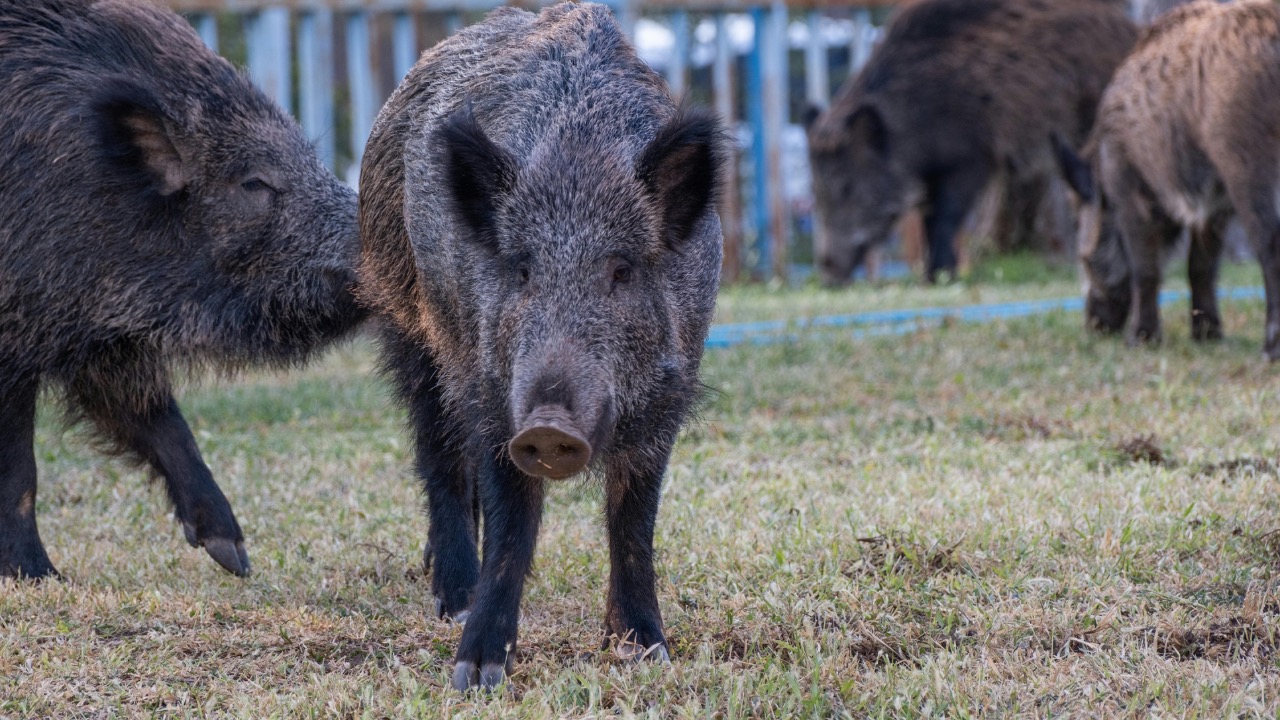
You don’t have to travel far to see it. Feral hogs are tearing up pastures, rooting through creek bottoms, and showing up in places they weren’t a decade ago. If you hunt the South, you’ve probably watched their numbers climb year after year. This isn’t a short-term spike—it’s a long-running problem that keeps gaining ground.
A lot of folks chalk it up to “they breed fast,” and that’s part of it. But it goes deeper than that. Biology, human behavior, and landscape changes are all working together to give hogs an edge. Here’s what’s really driving the explosion.
Their Reproduction Rate Is Hard to Keep Up With
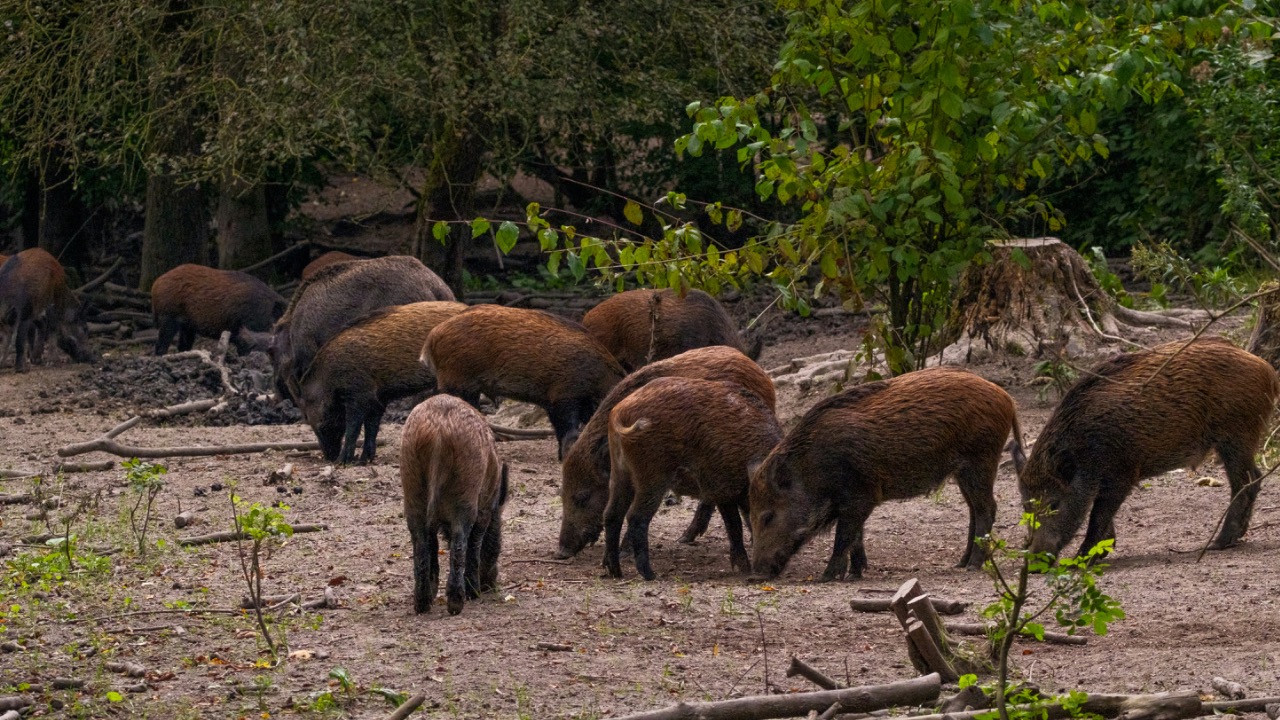
You’re dealing with an animal built to multiply. A sow can breed at a young age and produce multiple litters a year under the right conditions. Each litter can carry several piglets, and survival rates are high when food is available.
That math adds up quick. Even aggressive hunting pressure often doesn’t keep pace. You can remove a good number of hogs and still see the population rebound in a season or two. When conditions line up—mild weather, steady food—you’re looking at growth that outstrips most control efforts.
Mild Winters Are Letting More Hogs Survive
Cold used to knock hog numbers back in certain regions. That’s changing. Warmer winters mean fewer die-offs, especially among younger animals that would’ve struggled in harsher conditions.
You end up carrying more hogs into spring, which sets the stage for more breeding and more pressure on the landscape. Areas that once had occasional hog sightings are now holding steady populations. When winter stops acting as a natural check, everything else starts stacking in the hogs’ favor.
Abundant Food Keeps Them Thriving Year-Round
Hogs aren’t picky. Crops, acorns, insects, carrion—they’ll take what they can get. Modern agriculture gives them a steady buffet, especially in regions with corn, peanuts, and soybeans.
That consistent food supply keeps body condition high and supports frequent breeding. It also reduces the stress that would normally limit population growth. When animals don’t have to fight for calories, they invest that energy into reproduction. You’re not dealing with survival mode—you’re dealing with a species that’s well-fed and expanding.
Lack of Natural Predators Gives Them Room to Grow
In most parts of the U.S., there’s nothing consistently knocking down hog numbers on a large scale. Coyotes will take piglets, and the occasional predator might grab one, but it’s not enough to matter.
Without sustained predation, populations grow largely unchecked. Adult hogs don’t have much to fear, especially in groups. Once they establish in an area, they tend to hold ground and expand outward. It leaves the bulk of population control in human hands, and that’s a tough gap to fill.
Human Relocation Has Spread Them Farther
Not all expansion is natural. In some cases, hogs have been moved—illegally—to create new hunting opportunities. It’s been happening for years, and it’s a big reason they show up in new areas.
Once a few animals get established, it doesn’t take long. With their breeding rate, a small group can turn into a problem in a short window. This kind of movement accelerates their spread far beyond what they’d achieve on their own, and it creates new pockets that are hard to contain.
Hunting Pressure Alone Isn’t Enough
You can hunt hogs year-round in many states, and people do. Still, the numbers keep climbing. That tells you something about the scale of the issue.
Recreational hunting tends to remove individual animals or small groups. It rarely targets entire sounders in a coordinated way. In some cases, pressure even scatters hogs, spreading them into new areas. Effective control usually requires trapping, coordinated removal, and sustained effort. Without that, hunting alone struggles to make a lasting dent.
Dense Cover Gives Them a Place to Hide
Hogs don’t need wide-open country. Thick brush, swamps, river bottoms—those areas give them everything they need to stay hidden during daylight hours.
That cover makes them hard to locate and even harder to remove. You might know they’re there from sign alone, but getting eyes on them is another story. It also allows populations to build without constant disturbance. As long as they have secure bedding areas, they can operate largely out of sight.
They Adapt Faster Than Most People Expect
Hogs learn. Pressure them in one area, and they shift patterns. Hunt them at night, and they move differently. Push them too hard, and they break into smaller groups.
That adaptability makes consistent control difficult. Tactics that work one season can fall flat the next. You’re not dealing with a static target—you’re dealing with an animal that responds quickly to pressure. That ability to adjust keeps them a step ahead in a lot of places.
You’re not looking at a problem with a single cause, and that’s why it keeps getting worse. Feral hogs have the biology, the food, and the landscape working in their favor. Until control efforts match that scale, you can expect to keep seeing more of them, not fewer.

Asher was raised in the woods and on the water, and it shows. He’s logged more hours behind a rifle and under a heavy pack than most men twice his age.