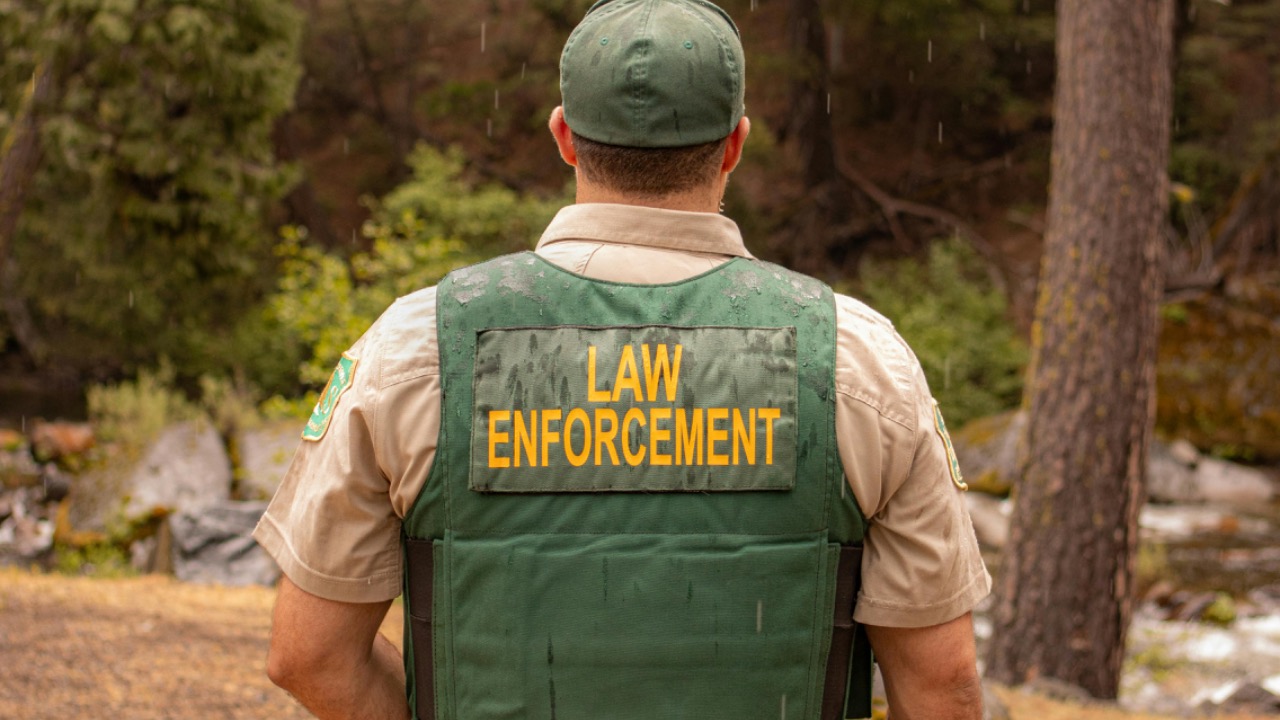
The quiet shift in hunting laws that many landowners missed
You don’t always hear about the changes when they happen. Most hunting laws don’t land with a headline—they show up buried in state regs, updated PDFs, or quiet rulemaking meetings. Meanwhile, you’re out working your ground, assuming things are the same as last season.
That’s where a lot of landowners get caught flat-footed. The rules have been shifting in small ways that add up over time. Some changes open doors, others tighten things down, and a few carry real consequences if you miss them. If you own land or manage access, here’s where those quiet shifts are showing up.
Trespass Laws Are Getting Sharper Edges
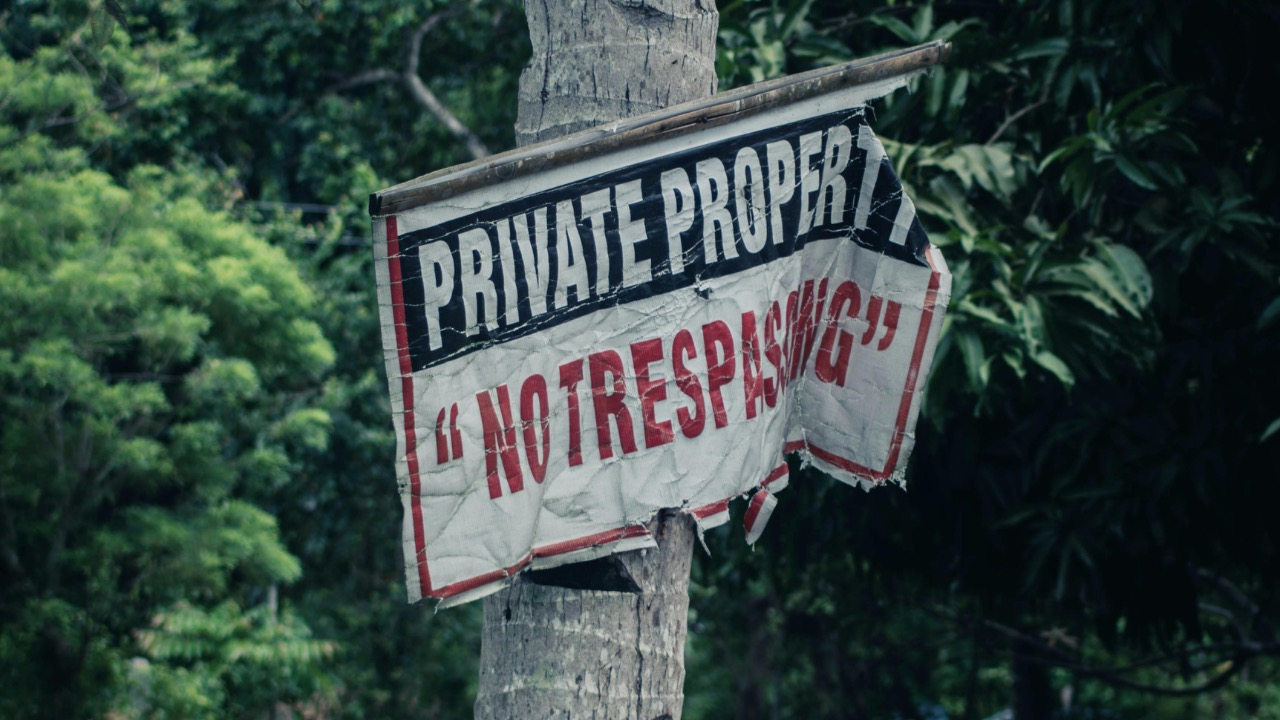
You’ve probably always relied on posted signs and common sense to keep people off your place. In many states, that’s changed. Trespass laws have been updated to include electronic posting, purple paint systems, and clearer definitions of intent.
That sounds like a win, but it cuts both ways. Enforcement can be stronger, but expectations on you are clearer too. Miss a marking requirement or assume old standards still apply, and you might not have the backing you think you do. It’s worth checking how your state defines legal notice now, because it may not look like it did ten years ago.
Liability Protections Aren’t One-Size-Fits-All Anymore
A lot of landowners have heard that letting someone hunt comes with liability protection. That’s still largely true under recreational use statutes, but the details have tightened.
Some states have clarified what counts as “charging a fee,” what activities are covered, and when negligence comes into play. If you’re leasing ground, trading access, or even accepting favors in return, you could fall outside those protections. The shift isn’t loud, but it matters. You need to understand where the line sits now, not where it used to be.
Baiting and Feeding Rules Keep Evolving
What you can put on the ground—and when—has been changing steadily. Chronic wasting disease concerns have pushed many states to adjust baiting and feeding regulations.
You might be used to seasonal allowances, but some areas have moved to stricter timelines or outright bans. Others require setbacks from property lines or roads. These aren’t always major announcements, but they carry real penalties if you’re out of step. Keeping tabs on wildlife agency updates is part of the job now if you’re managing your own land.
Tagging and Reporting Requirements Are Going Digital
Paper tags and check stations are fading out. More states are moving to app-based tagging and mandatory harvest reporting systems.
That shift puts more responsibility on you to get it right in real time. Miss a reporting window or fumble the process, and you can end up in violation without realizing it. It also changes how your land is tracked in harvest data, which can influence future regulations. It’s not complicated once you learn it, but ignoring it isn’t an option anymore.
Access Agreements Carry More Legal Weight
Handshake deals still happen, but written agreements are becoming more common—and more important. States have clarified how access leases and permissions are treated under the law.
That means what you put in writing matters more than it used to. Terms about guests, duration, and use can be enforced in ways that weren’t always consistent in the past. If you’re allowing access, you’re better off being clear and specific. It protects you, and it avoids problems when expectations don’t line up in the field.
Weapon Regulations Are Expanding in Some States
You’ve likely noticed more flexibility in what’s legal to hunt with, especially during certain seasons. Straight-wall cartridges, crossbows, and other equipment have been approved in places that once restricted them.
That opens opportunities, but it also changes pressure on your land. Longer effective ranges and more accessible gear bring different hunting styles into play. If you’re managing property, you need to understand what’s now allowed, because it affects safety, shot distances, and how your ground gets used.
Season Structures Are Being Tweaked More Frequently
Season dates and structures aren’t as fixed as they once felt. Wildlife agencies are adjusting them more often based on herd data, hunter success, and regional pressure.
That can mean earlier openings, extended seasons, or shifting zone boundaries. If you’re not paying attention, you might be planning around outdated timelines. These changes can affect when your land sees pressure and how animals respond over the course of a season. Staying current keeps you from getting surprised when the woods fill up sooner—or later—than expected.
Wildlife Management Rules Are Reaching Into Private Land
Management used to feel like something that happened on public ground, but that line has blurred. States are putting more emphasis on private land when it comes to herd control and disease management.
You might see requirements tied to carcass disposal, transport restrictions, or mandatory testing in certain zones. These aren’t suggestions—they’re enforceable rules that apply directly to your property. If your land falls inside one of these management areas, you’re part of the system whether you planned on it or not.
The changes aren’t dramatic on their own, but they stack up. If you’re running land the same way you did a decade ago, there’s a good chance you’re missing something.
Staying ahead of it doesn’t take much—just a habit of checking updates and reading the fine print. That’s the difference between staying in control of your ground and getting caught off guard by rules that quietly moved on without you.

Asher was raised in the woods and on the water, and it shows. He’s logged more hours behind a rifle and under a heavy pack than most men twice his age.