Why more Americans are preparing for emergencies than ever before
You’ve probably noticed it without thinking much about it. More folks are carrying extra water in the truck. Backup generators are selling faster than stores can stock them. Conversations that used to sound extreme now feel practical. Preparing for emergencies isn’t a fringe idea anymore—it’s becoming part of how people live.
This shift didn’t happen overnight. It’s been building through storms, shortages, and a steady stream of reminders that things don’t always run the way they should. You don’t have to look far to see why people are taking it seriously. Here’s what’s driving it.
Severe Weather Is Hitting Harder and More Often
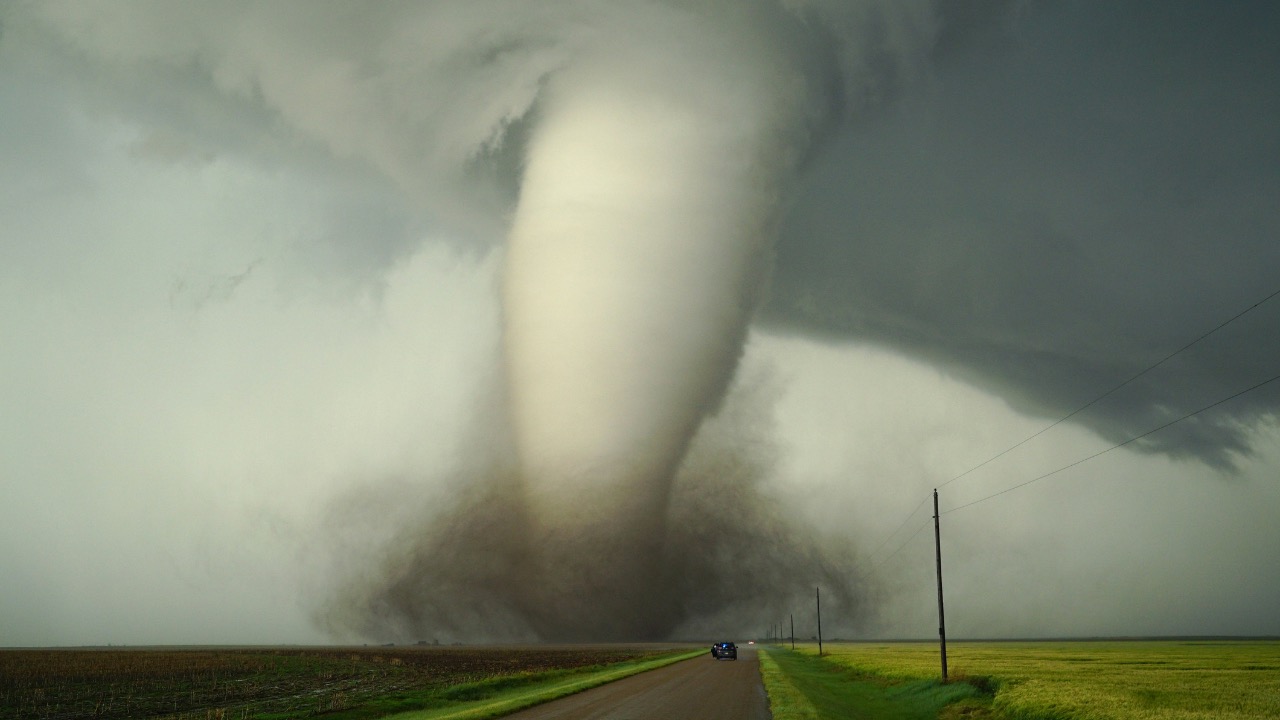
You don’t have to live on the coast to feel it anymore. Storms are stronger, seasons are less predictable, and the damage tends to stick around longer than it used to.
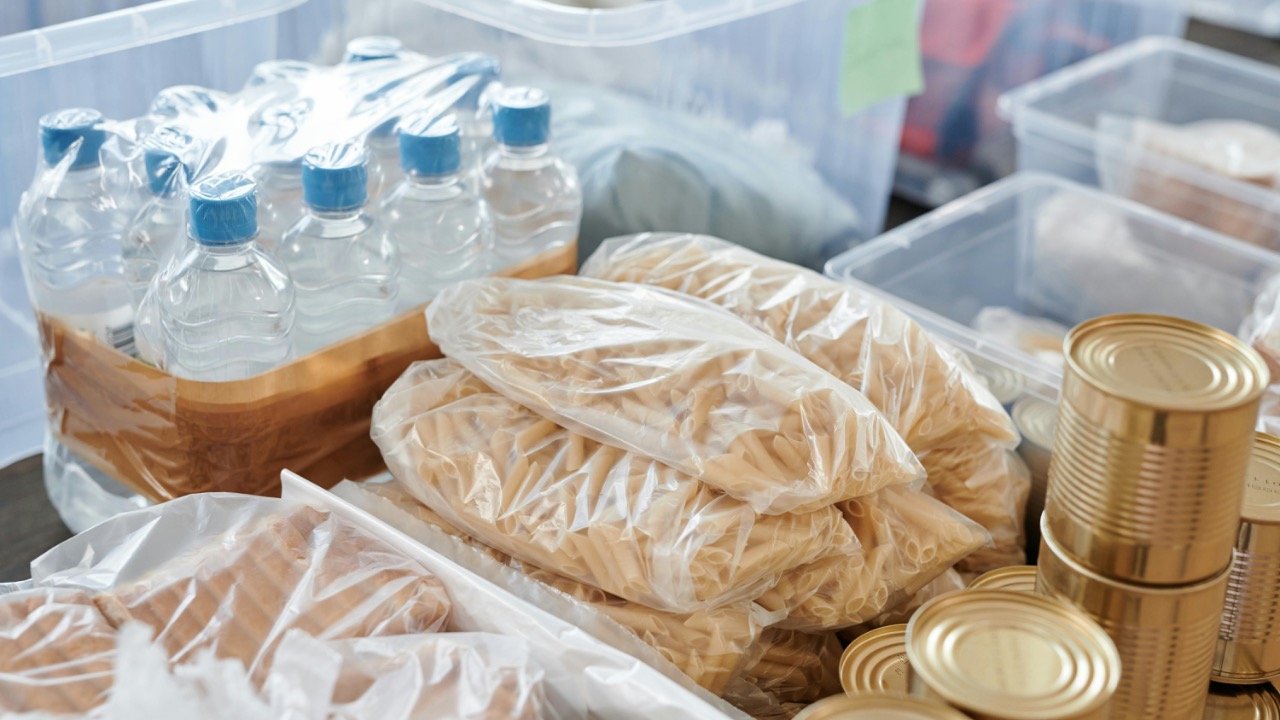
When you’ve lived through a blackout that lasts days, or watched roads wash out in a matter of hours, you start thinking ahead. запас water, fuel, and food stop sounding excessive and start feeling necessary. People aren’t guessing anymore—they’re reacting to what they’ve already experienced.
Supply Chain Disruptions Left a Lasting Impression
It didn’t take long for empty shelves to change how people think. When basic items became hard to find, it exposed how quickly things can tighten up.
You saw it with food, ammo, fuel, even medical supplies. Once that happens, it sticks in your mind. Keeping extra on hand isn’t panic—it’s insurance. Folks who never considered it before are now keeping deeper reserves because they’ve seen how fast normal can slip.
Rising Crime Concerns Are Shifting Mindsets
In many areas, people are paying closer attention to their surroundings. Break-ins, theft, and general unease push folks to take more responsibility for their own safety.
That doesn’t always mean drastic measures. Sometimes it’s better lighting, reinforced doors, or simply having a plan if something goes sideways. The mindset changes first. Once you start thinking that way, preparedness becomes part of your routine instead of something you only consider after the fact.
Power Grid Concerns Are Hard to Ignore
You’ve likely seen warnings about grid strain during extreme heat or cold. Rolling outages and emergency alerts aren’t rare anymore in certain regions.
Losing power for a few hours is one thing. Losing it for days changes everything—food spoils, water systems struggle, and communication gets spotty. That’s why more people are investing in generators, battery backups, and fuel storage. It’s not overkill when you’ve already been through it once.
Social Media Spreads Information Faster Than Ever
You don’t have to wait for the evening news. If something happens, you’ll see it unfold in real time—often from people living through it.
That kind of exposure changes perspective. Watching others deal with disasters makes it easier to picture yourself in the same situation. It also spreads ideas—what worked, what didn’t, and what people wished they had. That shared experience pushes more people to prepare ahead of time instead of reacting late.
Outdoor Skills Are Gaining Value Again
There’s been a noticeable shift back toward practical skills—hunting, fishing, gardening, and basic survival know-how. Things that used to be hobbies are now seen as useful.
When you know how to find food, manage water, or handle yourself outside, you’re less dependent on systems that can fail. That confidence is part of why preparedness is growing. People want skills they can rely on, not only gear sitting on a shelf.
Economic Uncertainty Plays a Role
When prices climb and stability feels shaky, people start thinking differently about security. That includes having enough supplies to ride out rough patches.
Stocking up when you can makes sense if you’re worried about affordability later. It’s not about expecting collapse—it’s about buffering against unpredictability. More households are building that buffer in quiet ways, adding a little at a time.
Past Events Changed How People Think Long-Term
Once you’ve lived through a major disruption, your outlook shifts. It could be a storm, a pandemic, or even a local emergency that caught you off guard.
Those experiences tend to stick. You remember what you didn’t have and what you wish you’d done sooner. That memory drives preparation more than anything else. It’s not theory—it’s lived experience, and it carries weight every time you think about being caught unprepared again.
You’re seeing a cultural shift, not a trend that fades. People aren’t preparing out of fear as much as they are out of awareness. They’ve seen enough to know that being ready isn’t extreme—it’s practical.

Asher was raised in the woods and on the water, and it shows. He’s logged more hours behind a rifle and under a heavy pack than most men twice his age.