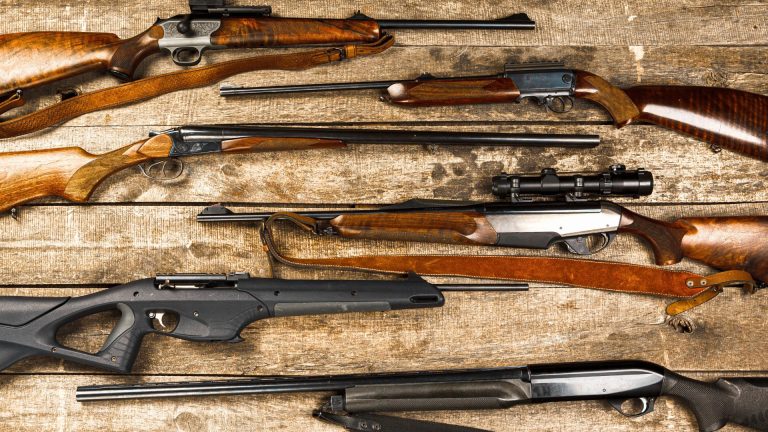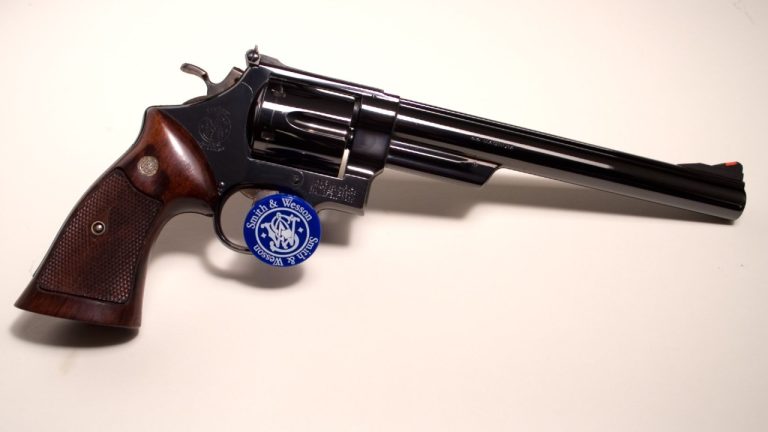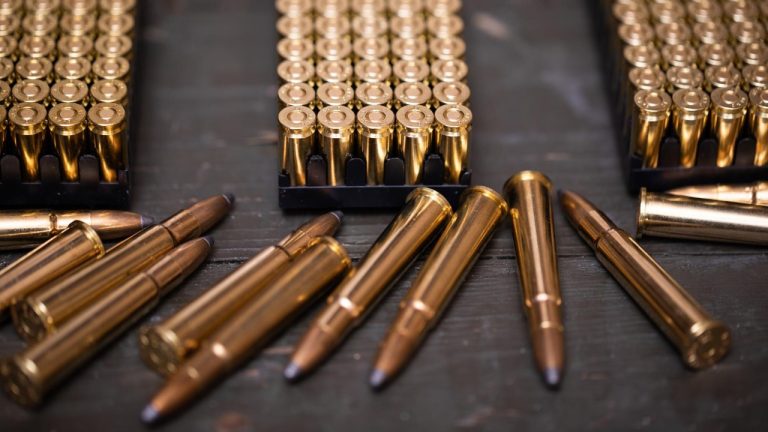
Why more hunters are rethinking traditional calibers in 2026
You don’t have to look far to see it—guys who grew up on the same cartridges their dads carried are starting to branch out. It’s not that the old standbys stopped working. A .30-06 still kills deer clean, and a .270 still reaches across a canyon. But the way people hunt has shifted, and rifles have evolved right along with it.
In 2026, hunters are paying closer attention to recoil, efficiency, and real-world performance. They’re stretching distances in some places and tightening them up in others. And with better bullets and more cartridge options than ever, sticking with tradition isn’t the automatic choice it once was.
Recoil Matters More Than Pride
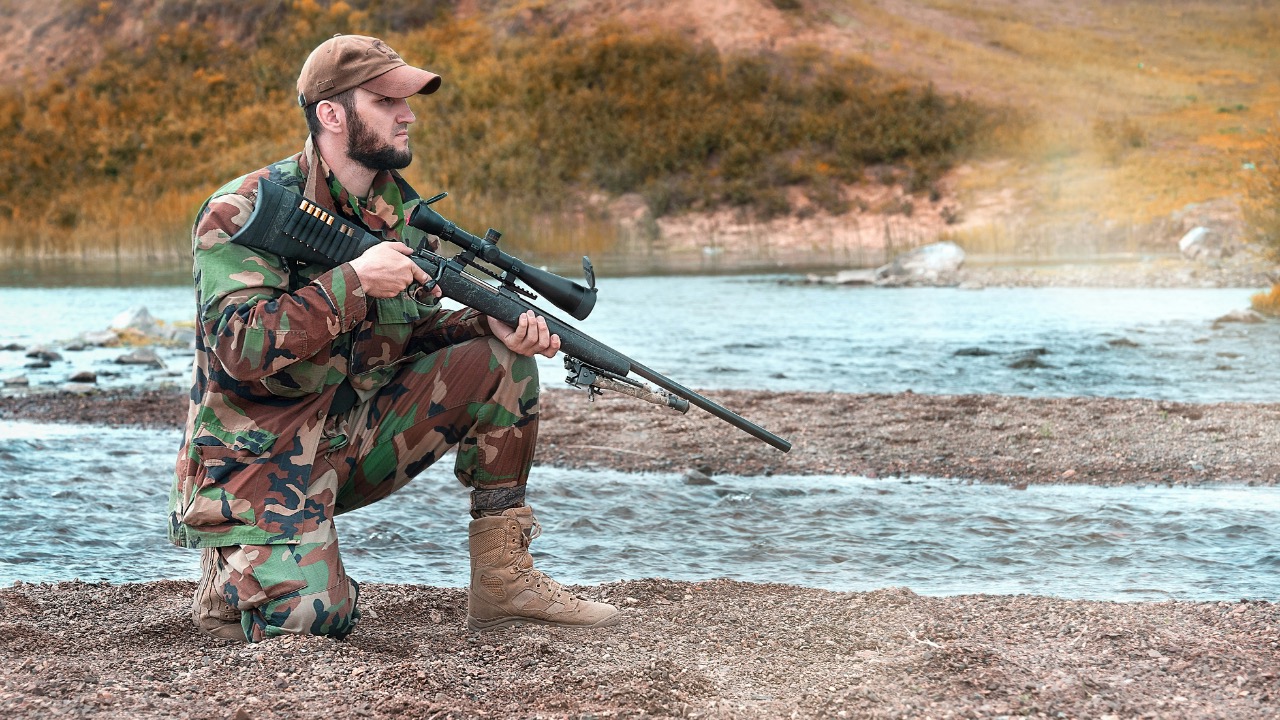
You’ve probably heard it your whole life—“man up and shoot it.” That mindset is fading, and for good reason. Heavy recoil wears on you over time, especially if you shoot often or spend long days behind a rifle.
Hunters are realizing they shoot better with cartridges they can control. Less recoil means better follow-through, quicker second shots, and more time practicing without getting beat up. When accuracy improves, confidence follows. That’s pushing a lot of folks away from hard-kicking rounds and toward lighter, more manageable options that still get the job done.
Modern Bullets Changed the Game
The bullet you shoot today isn’t the same as what your dad had in his pocket. Bonded cores, monolithic designs, and better expansion characteristics have reshaped what smaller calibers can handle.
You don’t need sheer size to get penetration anymore. A well-built bullet in a smaller cartridge can punch deep and hold together in a way older designs couldn’t. That’s opened the door for hunters to step down in caliber without giving up performance on game. It’s less about diameter and more about construction now.
Suppressors Are Shifting Preferences
With suppressor use becoming more common, hunters are starting to think differently about cartridge choice. Some calibers pair better with suppressed setups, especially when it comes to velocity and noise reduction.
Lower-recoil cartridges tend to shine here. They’re easier to shoot suppressed and more comfortable over long sessions. You also get less blast and better communication in the field. Once you’ve hunted with a suppressed rifle, it’s hard to ignore how much more controlled the experience feels, and that influences what you carry.
Rifle Weight and Handling Are Getting Attention
You feel every pound when you’re climbing, side-hilling, or covering ground all day. Lighter rifles are gaining traction, and they often pair better with smaller cartridges.
Heavy calibers usually mean heavier rifles to manage recoil. When hunters start trimming ounces, they naturally lean toward rounds that don’t require as much mass to shoot well. The result is a setup that’s easier to carry and quicker to handle in tight situations. It’s a practical shift that shows up once you spend enough time in rough country.
Long-Range Trends Are Influencing Caliber Choice
Even if you’re not dialing turrets at extreme distances, long-range thinking has filtered down into everyday hunting. People are paying more attention to ballistics, wind drift, and efficiency.
Cartridges that shoot flatter and buck wind without excessive recoil are getting a closer look. You don’t need a magnum to reach out anymore, and many hunters are realizing that. They’re choosing rounds that give them usable performance across a range of distances without the punishment that used to come with it.
Ammo Availability and Cost Are Real Factors
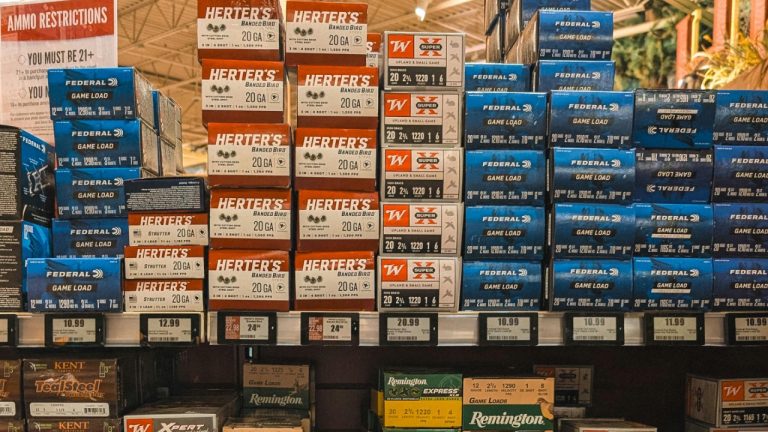
Walk into any store during a shortage, and you’ll see how quickly your options narrow. Availability has pushed hunters to reconsider what they shoot.
Some traditional calibers are still easy to find, but others get scarce fast. Newer or more efficient cartridges sometimes stay on shelves longer, or at least return quicker. Cost plays into it too. If you can afford to practice more, you’re going to shoot better. That alone is enough to make someone rethink sticking with an expensive or hard-to-find round.
Hunting Styles Have Changed
You’re not hunting the same way hunters did 40 years ago. Access issues, public land pressure, and time constraints all shape how you approach a season.
Shorter hunts, tighter windows, and more mobile strategies favor rifles that are easy to carry and quick to deploy. That leans toward practical calibers over heavy hitters. It’s less about having the biggest round and more about having a setup that fits how you actually hunt today.
Experience Is Replacing Tradition
At some point, you stop doing things a certain way because that’s how it’s always been done. You start paying attention to what actually works for you.
Hunters who’ve spent years in the field are reevaluating their setups with fresh eyes. If a lighter cartridge drops game cleanly and makes shooting more comfortable, there’s no real downside. Tradition still has its place, but it’s no longer the deciding factor. Results are.
The old calibers aren’t going anywhere. They’ve earned their place. But you’re seeing more hunters step outside that lane, not because they have to, but because they’ve found something that fits how they hunt today.

Asher was raised in the woods and on the water, and it shows. He’s logged more hours behind a rifle and under a heavy pack than most men twice his age.