The quiet shift changing how Americans choose home defense guns
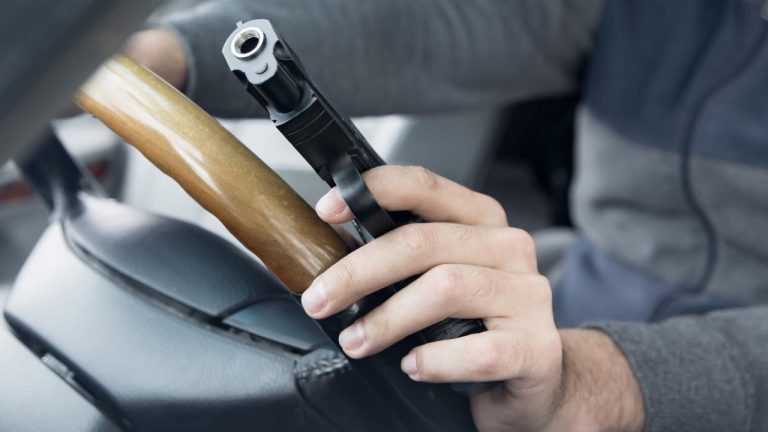
You can feel the change if you’ve been around guns long enough. The old answers for home defense—what your dad kept in the closet or what the gun counter pushed ten years ago—aren’t holding the same ground. People are thinking harder about layout, noise, recoil, and who else is in the house when something goes wrong.
It’s not a loud shift. Nobody’s making a big announcement. But the choices people make today tell the story. You’re seeing different platforms, different setups, and a different mindset driving it all. Here’s where that change is showing up.
More People Are Choosing Compact Rifles Over Shotguns
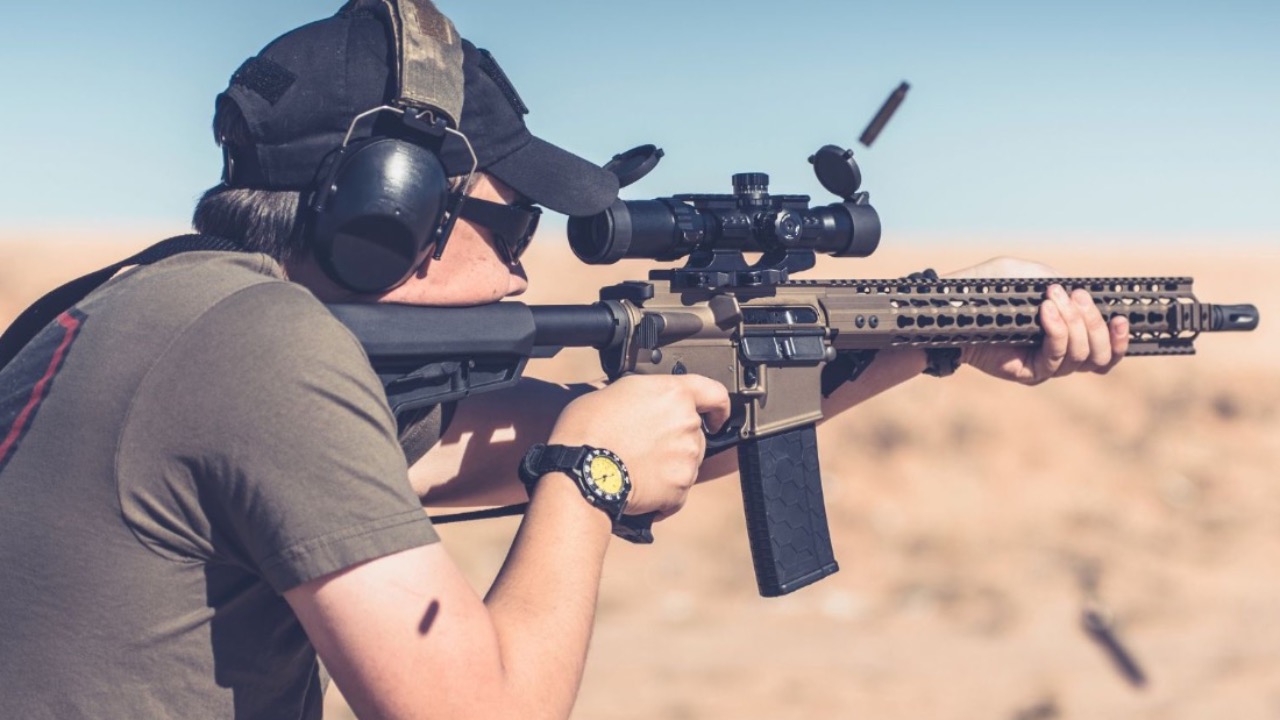
For a long time, the 12-gauge was the default answer. It still works, but you’re seeing more folks move toward compact rifles, especially AR-style platforms.
The reason comes down to control. A lightweight rifle with low recoil is easier to manage under stress, especially in tight spaces. You get better follow-up shots and more consistent accuracy for the average shooter. Add in adjustable stocks and mounting options, and it’s a setup that fits more people in the household, not just the strongest one.
Recoil Is Becoming a Bigger Factor in Decision-Making
You don’t have to spend much time at a range to see it—recoil tolerance varies a lot. More buyers are factoring that in upfront instead of after the fact.
That’s pushing people toward calibers and platforms they can actually train with. If a gun beats you up, you won’t practice with it. Lighter recoil options mean more range time, better familiarity, and more confidence when it counts. You’re seeing people choose what they can shoot well, not what sounds impressive on paper.
Home Layout Is Driving Gun Choice More Than Ever
People are thinking about hallways, doorways, and corners in a way they didn’t used to. The layout of your house matters when you’re deciding what to keep nearby.
Long barrels and wide patterns don’t always play well in tight interiors. That’s part of why shorter rifles and handguns are getting more attention. Maneuverability matters when you’re moving through your own home. The goal isn’t firepower alone—it’s being able to handle the firearm safely and effectively in close quarters.
Suppressors Are Entering the Conversation
More homeowners are considering noise in a serious way. Indoor gunfire is brutal on hearing, and that reality is pushing suppressors into the discussion where legal.
It’s not about making anything silent—it’s about reducing damage and maintaining awareness after the first shot. In a confined space, that matters. You’re also less likely to disorient yourself or others in the house. It’s still a niche choice due to cost and regulations, but it’s gaining ground among people who think beyond the first trigger pull.
Weapon Lights Are No Longer Optional
You can’t shoot what you can’t identify. That’s become a baseline understanding, and weapon-mounted lights reflect that shift.
More setups now include a dedicated light, whether it’s on a handgun or rifle. It gives you control over what you’re seeing and keeps your support hand where it needs to be. This isn’t a trend—it’s a correction. People are realizing that target identification isn’t a bonus feature; it’s part of responsible use.
Handguns Are Being Chosen With Training in Mind
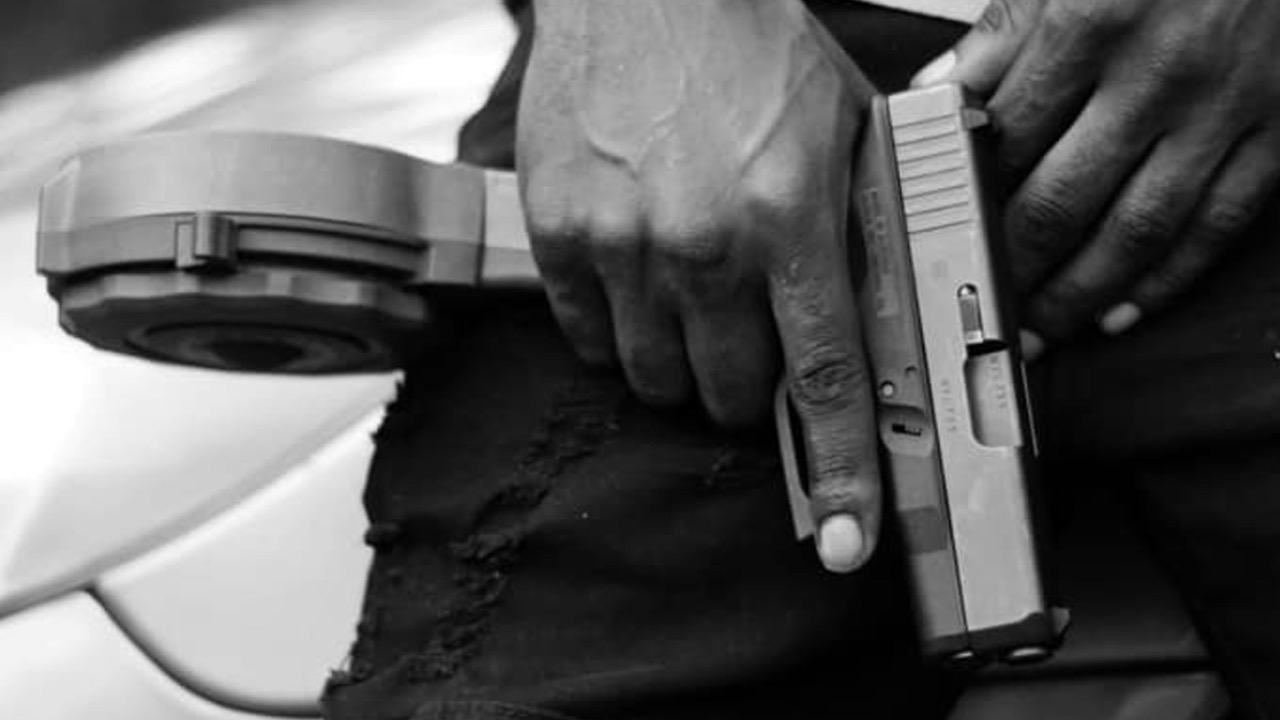
Handguns haven’t gone anywhere, but the way people pick them has changed. It’s less about brand loyalty and more about how the gun actually fits your hand and shooting style.
You’re seeing buyers spend more time handling different models before making a decision. Grip angle, trigger feel, and sight picture matter more than marketing. The focus is shifting toward what you can run well under pressure. That’s a better approach, especially when a handgun demands more skill to use effectively than a long gun.
Ammunition Choice Is Getting More Attention
It’s not enough to pick a caliber and call it good. More people are paying attention to how specific loads perform, especially in terms of penetration.
That matters in a home setting where walls don’t stop much. You’re seeing increased interest in rounds designed to limit over-penetration while still performing reliably. It’s a balancing act—enough power to stop a threat, but not so much that it puts others at risk in adjacent rooms or neighboring houses.
Training Is Driving Smarter Purchases
Maybe the biggest shift isn’t the gun itself—it’s the mindset behind it. More people are seeking out training, and that experience shapes what they buy.
Once you’ve run drills, moved through scenarios, and worked under pressure, your priorities change. You start valuing reliability, ergonomics, and control over flash. That leads to better decisions across the board. The gear starts to match real-world use instead of assumptions, and that’s where the quiet shift really takes hold.
The tools are still there, but the thinking behind them has evolved. You’re not seeing people abandon old options—you’re seeing them choose with more purpose. And in this space, that matters more than anything printed on the box.

Asher was raised in the woods and on the water, and it shows. He’s logged more hours behind a rifle and under a heavy pack than most men twice his age.