Popular U.S. destination ranked highest for shark attacks — what visitors should know
Sharks have long fascinated and frightened people, and for good reason. These powerful predators dominate the ocean ecosystem, yet their interactions with humans are surprisingly rare. Still, one popular U.S. beach destination has earned a reputation as the country’s hotspot for shark attacks, raising questions for both tourists and local authorities about how to stay safe while enjoying the water.
The Numbers and What They Mean
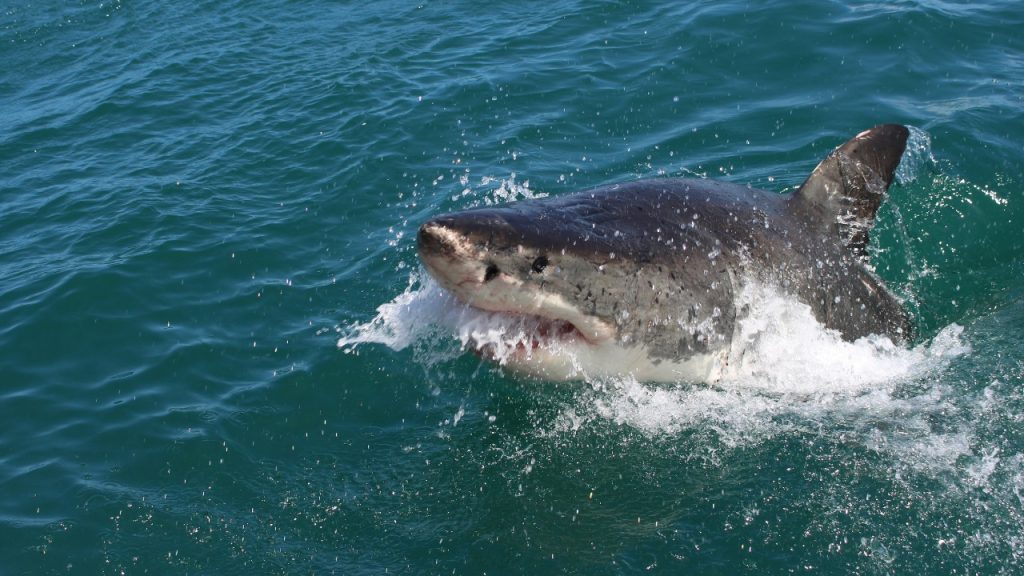
According to the International Shark Attack File, a comprehensive database tracking shark-human encounters, this destination consistently ranks highest in the United States for shark incidents. While many attacks are non-fatal and result in minor injuries such as scrapes or punctures, the sheer frequency compared to other U.S. beaches is notable.
Experts emphasize that shark attacks, even in this high-ranking area, remain extremely rare. Millions of swimmers, surfers, and boaters enter U.S. waters every year, yet the odds of being bitten are still very low. Statistically, other risks at the beach—like rip currents, sun exposure, or jellyfish stings—pose a far greater threat than sharks.
Why This Beach Sees More Sharks
Several environmental and ecological factors contribute to the high number of shark encounters at this location:
- Warm Coastal Waters: Many shark species thrive in warm, shallow waters that are also ideal for human recreation. These conditions make interactions more likely.
- Abundant Food Sources: Schools of fish, seals, and other marine life attract sharks to nearshore areas. When food is plentiful close to shore, sharks naturally follow.
- High Levels of Human Activity: Areas with heavy swimming, surfing, and boating traffic naturally see more shark sightings. This doesn’t mean sharks are actively hunting people—often, they are merely investigating.
- Changing Ocean Conditions: Climate shifts and ocean temperature changes have altered migration and feeding patterns for some shark species, sometimes bringing them closer to popular beach areas.
Not All Shark Species Are Dangerous
It’s important to note that only a handful of shark species pose a significant threat to humans. The majority are harmless, feeding on fish or smaller marine animals and rarely interacting with swimmers. Understanding which species are present in local waters can help visitors better interpret safety warnings and advisories.
Safety Tips for Beachgoers
Despite the attention on shark attacks, most beachgoers can enjoy the water safely by following basic precautions:
- Swim in Groups: Sharks are more likely to approach a lone swimmer than a group.
- Avoid Dawn and Dusk: Sharks often feed during low-light hours, increasing the chance of encounters.
- Stay Near Lifeguards: Swimming in areas monitored by trained lifeguards reduces risk.
- Be Cautious with Shiny Jewelry: Reflections from rings or watches can mimic fish scales and attract sharks.
- Avoid Splashing Excessively: Erratic splashing may draw curiosity from sharks.
- Follow Local Advisories: Beaches often post warnings or temporarily close areas after shark sightings. Heeding these advisories is crucial.
Understanding Human-Shark Interactions
Shark attacks are usually accidental. Humans are not typical prey for sharks; bites often occur when a shark mistakes a swimmer or surfer for a seal or other food source. In many cases, once the shark realizes its mistake, it retreats immediately.
Tourists and locals alike can reduce risk by staying informed about local shark activity and being mindful of the environment. For example, areas with schools of fish near the shore or with strong currents may see higher shark presence.
The Broader Perspective
While it’s natural to fear sharks, media coverage often exaggerates the danger, focusing on rare attacks rather than the millions of safe beach visits that occur annually. By putting shark incidents in perspective, visitors can make informed decisions about when and where to swim without unnecessary fear.
Bottom Line
This U.S. destination may hold the record for shark attacks, but the overall threat to beachgoers remains very low. Awareness, preparation, and respect for local guidelines allow visitors to enjoy one of America’s most popular coastal destinations safely. The ocean remains a space of both beauty and risk, and understanding the natural habits of sharks is key to coexisting safely.

Leo’s been tracking game and tuning gear since he could stand upright. He’s sharp, driven, and knows how to keep things running when conditions turn.