
Wildlife policies sparking outrage across the country
Across the United States, a new wave of wildlife policies is colliding with public anger. From federal moves that reshape public lands and endangered species protections to state-level fights over wolves, owls, and even pest control, the rules that govern wild animals are no longer a niche concern. They have become flashpoints in a broader culture war over land, cruelty, and who gets to decide how nature is used.
The outrage is not coming from a single side. Hunters, ranchers, tribal citizens, animal welfare advocates, and climate activists are all reacting to rapid shifts in policy, each arguing that the stakes for wildlife and communities have rarely been higher.
Public lands and the fight over multiple use
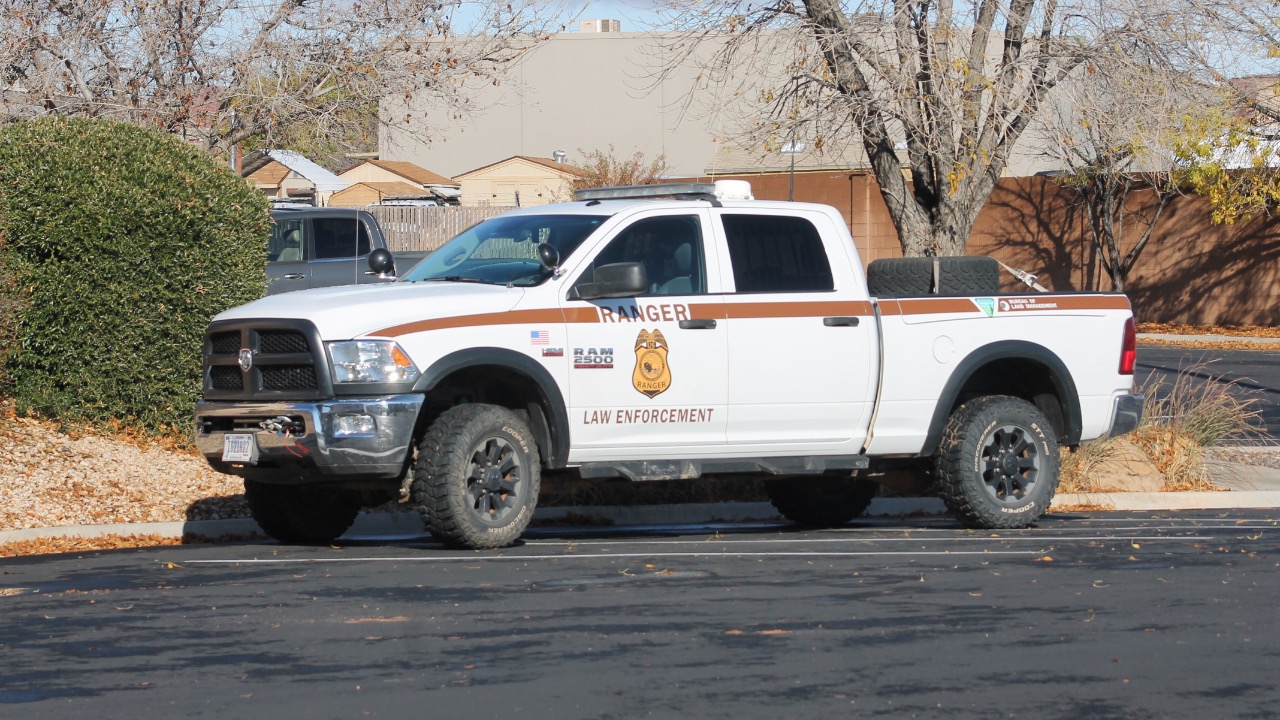
At the center of the federal debate is the vast territory managed by the Bureau of Land Management. More than 50 years ago, Congress charged the Bureau of Land Management with a multiple-use mission that was supposed to balance recreation, watershed health, wildlife, and resource extraction across tens of millions of acres. Critics now argue that recent decisions from the Trump administration tilt that balance sharply toward drilling and mining, putting wildlife, water, and climate at risk.
Conservation groups warn that the administration’s approach to public lands opens more habitat to industrial development and weakens safeguards that were designed to protect sensitive species. One detailed analysis of a recent package of leasing and rule changes describes a sweeping attack on public that would erode protections for both wildlife and watersheds.
Supporters of the administration counter that energy development on public land is vital for economic growth and national security, and they argue that modern drilling and mining can coexist with wildlife if properly regulated. The clash over what “multiple use” should mean in practice has become a proxy for a deeper dispute over whether public lands are primarily a national commons or an industrial resource base.
Budget cuts to parks and forests
While policy fights play out in Washington, budget decisions are reshaping the on-the-ground reality in national parks and forests. Proposed cuts to the National Park Service and the U.S. Forest Service have sparked an outcry from rangers, local businesses, and visitors who fear deteriorating trails, closed campgrounds, and weaker enforcement of wildlife protections.
Reporting from Seattle describes how significant cuts to national and forests are already raising alarms among staff who say they have no way to absorb the reductions without harming ecosystems and visitor safety. Some officials suggest that reduced staffing will inevitably mean less monitoring of poaching, more human-wildlife conflict in crowded areas, and slower responses to environmental damage.
The dispute is not just about money. It reflects a broader argument over whether public agencies should prioritize cost savings or invest in the long-term resilience of landscapes that anchor local economies and provide habitat for everything from grizzlies to songbirds.
Wyoming’s wolf cruelty shock and its political fallout
Few recent incidents have crystallized public anger like the case of a Wyoming man, Cody Roberts, who earlier last year horrifically abused and killed a young female wolf. Social media posts describe how the story of Wyoming resident Cody Roberts spread rapidly and became a symbol of perceived impunity for cruelty toward predators. One widely shared account framed the incident as potential evidence of a in public tolerance for such acts.
Follow-up organizing efforts, described in a separate campaign post, argue that The Cody Roberts case revealed deep gaps in Wyoming’s wildlife laws. Advocates say the Legislature’s failure to impose stronger penalties for tormenting wolves shows how far predator policy still lags behind public sentiment. They have urged voters to press politicians to treat wolves and all wild animals as more than disposable nuisances.
The outrage has spilled into broader debates over how states classify predators, how lenient judges should be in cruelty cases, and whether traditional predator control systems are compatible with modern expectations about animal welfare.
Oregon’s IP28 and the new frontier of wildlife ethics
In Oregon, a proposed ballot initiative known as IP28 has ignited a different kind of storm. One opposition group warns that the measure would effectively Criminalize Pest Control by making Harming or killing vermin such as mice, rats, or gophers a criminal act. Critics argue that this would tie the hands of farmers, homeowners, and public health officials who rely on pest control to protect crops and prevent disease.
Supporters of IP28 frame it very differently. In another discussion thread, backers insist that Will hunting and fishing be banned? No. But they say the initiative reflects a growing population that is ready to demand a change in the way wildlife are treated. One organizer describes the campaign as proof that Will hunting and remain legal while new standards are set for cruelty and confinement.
The IP28 fight illustrates how wildlife policy is moving beyond traditional questions about game seasons and bag limits. Voters are now being asked to weigh in on the ethics of breeding, trapping, and killing across a spectrum that runs from livestock to rodents, and the resulting backlash shows how unsettled those values remain.
Endangered species law and the barred owl controversy
At the federal level, the Endangered Species Act is once again in the crosshairs. Advocacy groups warn that Weakening the ESA means fewer protections for dispersing wolves, less ability to secure habitat, more loopholes for killing, and slower recovery for species already on the brink. They argue that recent regulatory proposals from The Trump administration would gut key habitat rules and make it easier for industry to push vulnerable species toward extinction.
Nothing captures the moral and scientific complexity of these fights more starkly than the plan to kill hundreds of thousands of barred owls in the Pacific Northwest. The U.S. Fish and Wildlife Servi has proposed a long-term removal program intended to protect the northern spotted owl, a close cousin that has been pushed toward extinction by logging and competition. One advocacy alert urges Congress to support S.J.Res. 69 and H.J. Res. 111 and to ACTION ALERT: Stop 450,000 barred owls Support these resolutions.
In Congress, The US Senate recently rejected an effort on Wednesday to halt the Fish and Wildlife Service (USFWS) plan to kill nearly half a million barred owls in order to save their cousin, the northern spotted owl. Supporters of the program argue that the barred owl is an aggressive invader that has adapted well to human-altered forests and that lethal control is the only way to prevent the extinction of the northern spotted owl. Opponents see the mass killing of one native owl species to save another as a moral line that the government should not cross.
Grassroots wins and shifting governance
Not all recent developments have fueled anger. Some have channeled public frustration into structural change. Earlier this month, one reform campaign celebrated a major win with a jubilant post that opened with Mar and the word VICTORY. The group argued that for decades, wildlife policy across the U.S. has quietly operated on an outdated assumption that animals exist mainly for hunting and fishing, and that their success showed how public pressure can rewrite those rules.
The reformers describe new governance models that put science, biodiversity, and the public trust at the center of decision making rather than treating wildlife primarily as a resource for license buyers. Their message resonates with advocates who see traditional commissions as too closely tied to hunting interests and too slow to respond to climate change, urbanization, and shifting public values about animals.

Asher was raised in the woods and on the water, and it shows. He’s logged more hours behind a rifle and under a heavy pack than most men twice his age.