What happens legally when firearm mistakes cross the line
You don’t have to look far to find stories where a simple mistake with a firearm turns into something bigger. Most gun owners take safety seriously, but the line between an honest error and a legal problem can be thinner than people think. One bad decision, one careless moment, or one misunderstanding of the law can put you in a position you never expected.
The hard truth is this: intent matters, but outcomes matter more. Once a situation crosses into endangerment, injury, or unlawful use, the legal system steps in. And it doesn’t care if you meant well. Here’s how those lines get crossed—and what happens when they do.
Negligent Discharge Can Bring Criminal Charges
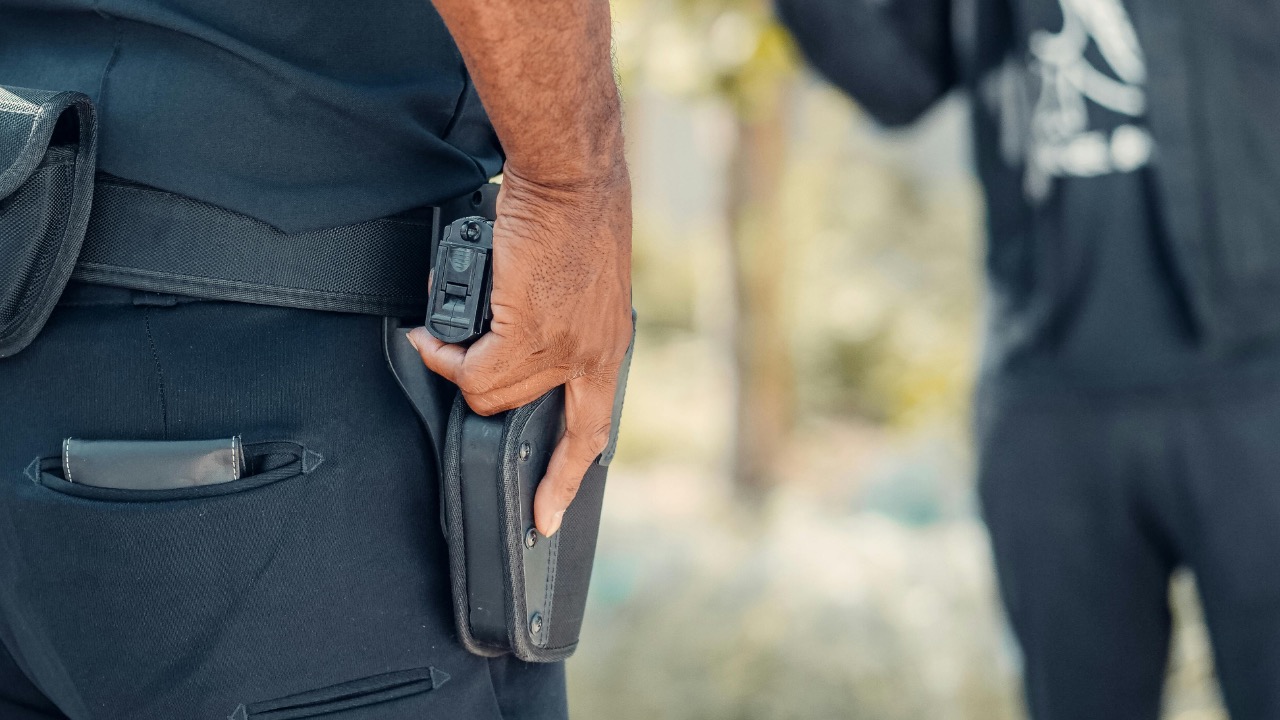
You might think of an accidental discharge as embarrassing or dangerous, but in many places, it’s also a crime. If a firearm goes off due to careless handling—finger on the trigger, poor muzzle control—you can be charged with negligence.
That charge gets more serious depending on where it happens. Inside city limits, near homes, or in a crowded setting, prosecutors tend to push harder. Even if no one is hurt, the act itself can be enough. You’re looking at fines, possible jail time, and a permanent record. That’s a steep price for a moment of inattention.
Shooting Incidents Are Judged by Outcome, Not Intent
You may not have meant to hurt anyone, but the law looks at what actually happened. If someone is injured or killed, the situation shifts fast into criminal territory.
Depending on the facts, charges can range from reckless endangerment to manslaughter. Investigators look at your actions leading up to the shot—where you pointed the gun, what you knew about your target, and whether you followed basic safety rules. If those pieces don’t line up, intent won’t carry much weight. You’re held accountable for the result.
Improper Storage Can Lead to Liability
Leaving a firearm unsecured might not seem like a legal issue—until someone else gets access to it. Kids, visitors, or even thieves can turn that oversight into a serious problem.
Many states have laws requiring safe storage, especially around minors. If your firearm is used in a crime or causes injury because it wasn’t secured, you can be held responsible. That can mean criminal charges, civil lawsuits, or both. It’s not only about preventing theft—it’s about controlling access at all times.
Carrying in the Wrong Place Has Consequences
You might be legal to carry in general, but that doesn’t mean you can carry everywhere. Schools, federal buildings, certain businesses, and posted properties often have strict restrictions.
Walk into the wrong place with a firearm, even unintentionally, and you could be facing charges. In some cases, it’s a misdemeanor. In others, it can escalate depending on the location and circumstances. Knowing where you can and can’t carry isn’t optional. It’s part of the responsibility that comes with it.
Brandishing and Threatening Behavior Escalate Quickly
Pulling a firearm during an argument or to “make a point” is where many people cross the line without realizing it. What feels like a warning to you can be seen as a threat under the law.
Brandishing charges often come down to perception. If someone reasonably believes they’re in danger because of your actions, that’s enough to trigger legal trouble. You don’t have to fire a shot. The act of displaying the weapon in a threatening way can carry serious penalties and change how any future self-defense claim is viewed.
Self-Defense Claims Are Closely Scrutinized
Self-defense is a legal right, but it’s not a free pass. After a shooting, every detail is examined—what led up to it, whether you had other options, and whether your response matched the threat.
Investigators and prosecutors look for consistency. Were you truly in immediate danger? Did you escalate the situation? Did you act within the law where it happened? If the answers don’t line up, a self-defense claim can fall apart quickly. You could go from victim to defendant in a matter of hours.
Alcohol and Firearms Don’t Mix Legally
Handling a firearm while under the influence is a fast way to get into trouble. Many states have clear laws against carrying or using a gun while impaired.
Even where laws are less specific, alcohol becomes a major factor in any investigation. It affects judgment, reaction time, and how your actions are interpreted afterward. If something goes wrong and alcohol is involved, expect it to be front and center in court. It weakens your defense and strengthens the case against you.
Crossing State Lines Can Create Legal Trouble
Firearm laws change from one state to the next, and what’s legal at home might not be legal a few hours down the road. Transport rules, magazine limits, and carry permits vary widely.
If you travel without understanding those differences, you can find yourself in violation without realizing it. Law enforcement won’t overlook it because you didn’t know. Charges tied to illegal possession or transport can follow, especially in states with stricter laws. Staying informed isn’t optional when you’re moving between jurisdictions.
Mistakes happen. Anyone who’s spent time around firearms knows that. But once those mistakes cross into negligence, risk, or harm, the legal system steps in hard and fast.
You don’t get judged by what you meant to do—you get judged by what actually happened. And that’s a line worth paying attention to every time you pick up a gun.

Asher was raised in the woods and on the water, and it shows. He’s logged more hours behind a rifle and under a heavy pack than most men twice his age.