The Biggest Mistake People Make When Choosing an EDC Knife
Most people shopping for an everyday carry knife get drawn to flashy blades, exotic steels, or aggressive styling, then end up with something that never leaves the drawer. The biggest mistake is choosing an EDC knife without first being brutally honest about how it will actually be used and carried. When the knife does not match real-world tasks, hand size, and local rules, it quickly becomes a liability instead of the quiet tool that disappears in a pocket until it is needed.
Fixing that mistake means looking at size, ergonomics, lock design, and even law in a more practical way. The goal is not the most impressive knife on paper, but the one that feels natural in the hand, fits daily routines, and can be carried responsibly every single day.
Buying for fantasy instead of real use
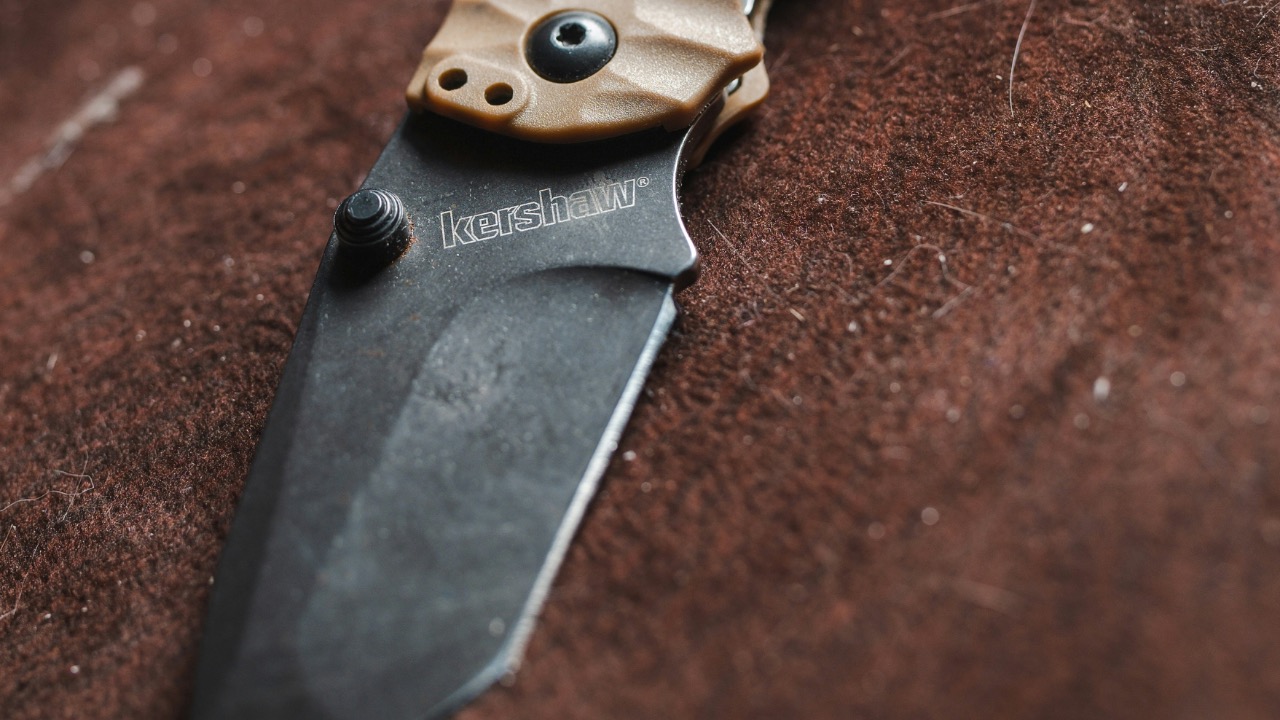
The most common error is treating an EDC knife like a prop for imagined emergencies instead of a tool for predictable tasks. Guides on Our EDC explain that an EDC differs from person to person because it should reflect what someone actually does, not what they might someday do in a movie scenario. A person who mostly opens Amazon boxes, trims zip ties, and slices fruit needs a very different knife from someone who regularly works in the field or carries a dedicated tactical blade for self-defense.
Lists of Common Pocket Knife put Buying the Wrong Knife for Your Needs right at the top, and that problem often starts with chasing an identity instead of a use case. Tactical marketing, black coatings, and aggressive serrations appeal to fantasy, yet they add bulk and complexity that slow down simple chores. In practice, a compact, plain-edged folder that fits the hand and cuts cleanly will serve more people better than a huge blade that feels out of place in an office, a warehouse, or a city park.
Ignoring ergonomics and handle materials
Even when buyers get the general size right, many still fall into the trap of ignoring how the knife actually feels in the hand. A detailed beginner guide warns that another mistake is ignoring ergonomics, because a handle that creates hot spots or forces the wrist into an awkward angle will make people avoid using the blade. Poor ergonomics are not just annoying; they increase the chance of slips and reduced control, which a separate breakdown of Ergonomics links directly to more slips and less precise cutting.
Handle material choices can either fix or worsen that comfort problem. One guide notes that no matter which material is chosen, the handle should feel secure from the moment it is picked up, and it highlights that matter which material is used, the user should feel in control. Another section explains that the handle of an EDC knife can be made from metal, G10, or other synthetics, but smooth stainless or aluminum can become slippery unless they include texturing, which is why the advice stresses that handle of an should balance durability with grip. Someone who works in wet environments or sweats heavily in summer will be far better served by a lightly textured G10 or micarta scale than by a polished metal slab that looks premium but turns slick at the worst moment.
Getting size, weight, and carry wrong
Size is another place where fantasy often wins over reality. Experts who focus on Choosing Your EDC Knives list Essential Factors like Size and Dimensions and point out that One of the first decisions should be overall length and blade length. A knife that feels impressive in the hand can become a burden in a pocket, especially in lightweight summer clothing or slim jeans. Other guides on the best EDC knife argue that the ideal everyday blade balances steel quality, a comfortable grip, and a practical footprint so it can be carried without drawing attention or feeling like a brick in the pocket.
Carry method is part of the same mistake. A large, heavy knife with a deep pocket clip might sound secure, yet if it prints through clothing or constantly digs into the hip, it will be left at home. One beginner guide notes that the handle of an EDC knife should be shaped so it rides well and stays compact, explaining that a slender profile is usually more compact in and less likely to snag. Another breakdown of EDC mistakes warns about overpacking and redundancy, where carrying multiple knives or tools with overlapping functions leads to a heavy, Batman-style utility belt that is more cosplay than preparedness. In most cases, a single, well-chosen folder paired with a small multitool will cover more ground than three oversized blades that are too uncomfortable to carry every day.
Overlooking lock safety and basic use
Even a perfectly sized and comfortable knife can become a problem if the buyer ignores how the lock works or how the blade is meant to be used. Guidance on How to Choose Knife for explains that Everyday Carry tools should be reliable for daily life, not just look impressive. A separate section titled How Your EDC Knife Lock Works for Safety stresses that a reliable lock keeps the blade securely open and that Some lock types are easier and safer to operate than others, especially under stress or with gloves on. People who never bother to learn whether they are using a liner lock, frame lock, or back lock are more likely to close the blade on their fingers or hesitate when they most need the tool.
Misuse compounds the problem. A detailed list of Pocket knives reminds readers that pocket knives are versatile, but they are not indestructible, and using them as screwdrivers, pry bars, or chisels can damage the blade or pivot. Another guide on the top 5 mistakes people make when using a pocket knife lists Using the Wrong Knife as a primary issue, noting that trying to baton firewood with a slim folder or throw a folding knife like a dedicated throwing blade can damage the structural integrity of the pivot and lock. Throwing a folding knife, as one safety-focused breakdown explains, puts the entire design at Risk because folding knives have several components that are not built to absorb impact in the way a solid throwing knife can.
Forgetting law, context, and everyday carry reality
The final piece of the big mistake is ignoring where and how the knife will be carried in daily life. EDC is short for Everyday Carry, and guides on The Top EDC Mistakes highlight Not Carrying Everyday as a core failure, since a tool that is too large, too aggressive looking, or legally questionable will be left at home. Another EDC overview describes Everyday Carry as a collection of useful items that support daily life, not a set of gear that constantly needs to be taken off before entering offices, schools, or airports. A knife that looks like a weapon to everyone else can create social friction in workplaces or public spaces, even if the owner only uses it to open boxes.
Legal limits are part of that reality. A detailed breakdown of Everyday Carry EDC Mistakes You explains that not all EDC tools are allowed everywhere and that Whether a knife has a blade longer than local laws permit or a locking mechanism that is restricted, carrying it into the wrong place or destination can result in fines, confiscation, or worse. Other buying guides advise checking Key Features and Specifications and taking the time to Evaluate To confirm blade length and lock type against local regulations, instead of assuming that any knife sold online is automatically legal to carry. A knife that is modest in size, with a non-threatening profile and a compliant blade length, stands a far better chance of becoming a true everyday companion rather than an expensive object that only comes out on camping trips.

Leo’s been tracking game and tuning gear since he could stand upright. He’s sharp, driven, and knows how to keep things running when conditions turn.