Twelve persistent myths about pit bulls, debunked
Pit bulls carry one of the heaviest stereotypes in the dog world. Labeled dangerous, unpredictable, or inherently vicious, these dogs often face blanket judgments based on looks rather than facts. The truth, backed by temperament tests, veterinary science, and decades of data, tells a very different story.
Here are twelve of the most common myths — and why they don’t hold up.
Myth 1: Pit bulls have “locking jaws”
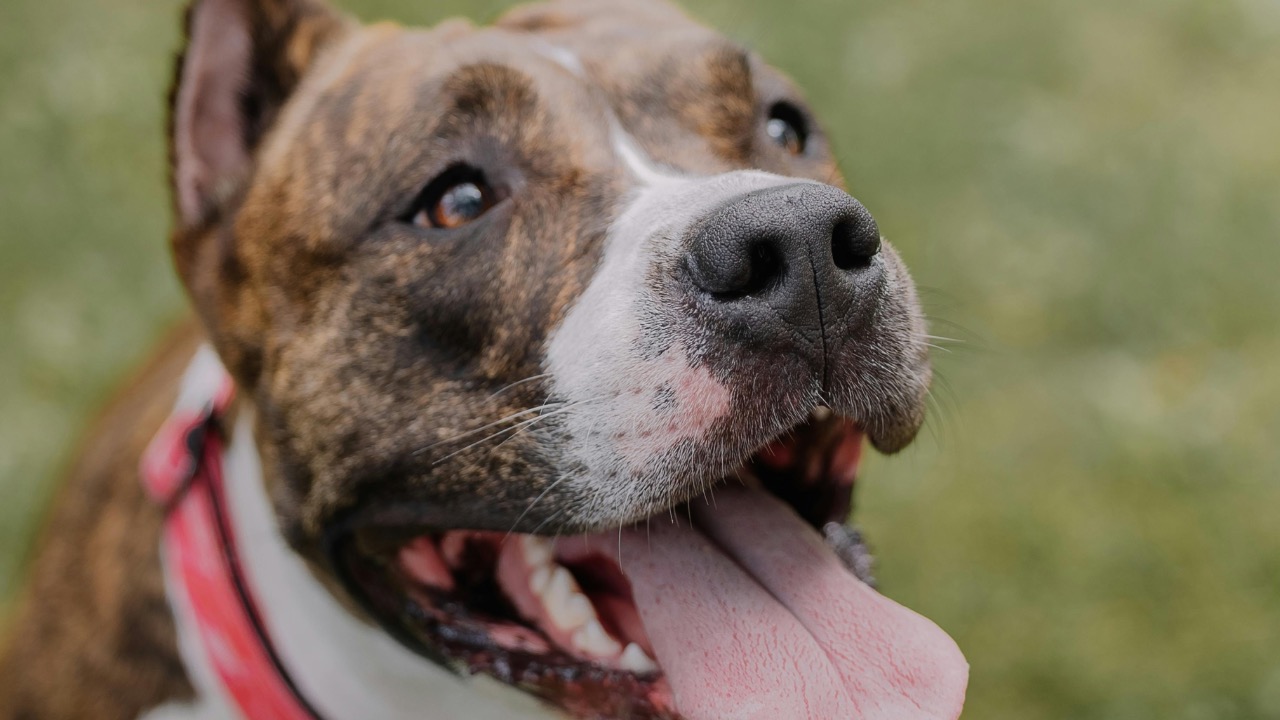
Completely false. No dog breed has a jaw that physically locks. Pit bulls (and all dogs) have the same basic jaw anatomy. The myth likely comes from their historical tenacity when holding onto something, but there is no special mechanism. Once they bite, they can release just like any other dog.
Myth 2: Pit bulls have the strongest bite force of any dog
Not even close. Bite force correlates with size, skull shape, and muscle mass — not breed. Studies show pit bull-type dogs measure around 235–300 PSI, well below breeds like Kangals (700+ PSI), Mastiffs, or even some German Shepherds. They are strong for their size, but not super-powered.
Myth 3: Pit bulls are inherently aggressive toward humans
Temperament tests from the American Temperament Test Society (ATTS) tell the real story. American Pit Bull Terriers pass at 87.6%, American Staffies at 85.7%, and Staffy Bulls at 89–91% — all above the average for all dog breeds (around 83%). They consistently rank in the top 20% for stable, friendly temperaments.
Myth 4: Pit bulls “turn” on their owners without warning
This is another media-fueled myth. Like any dog, poor breeding, abuse, neglect, lack of socialization, or training issues can create problems — but there is no evidence of a special “turn” gene in pit bulls. Sudden unprovoked attacks are rare across all breeds and usually trace back to pain, fear, or medical issues.
Myth 5: Pit bulls are not good with children
Historically, pit bulls were known as “nanny dogs” for their patience and affection with kids. Well-bred, properly socialized pit bulls are often excellent family dogs. As with any powerful breed, supervision and training are essential — but the breed itself is not the problem.
Myth 6: All pit bulls hate other dogs
Some individuals have dog aggression (common in many terrier-type breeds), but many live peacefully with other dogs. Dog aggression and human aggression are separate traits. Plenty of pit bulls share homes happily with cats, dogs, and other animals when raised properly.
Myth 7: Pit bulls feel less pain than other dogs
Completely untrue. There is zero scientific evidence that any breed has a higher pain tolerance. Pit bulls feel pain exactly like every other dog. The myth likely stems from their gameness and drive to keep going even when injured.
Myth 8: You can always identify a pit bull by looks
“Pit bull” is not a single breed — it’s a loose description covering American Pit Bull Terriers, American Staffordshire Terriers, Staffordshire Bull Terriers, and mixes. Visual identification is highly unreliable. DNA tests often surprise people with the actual breeds involved.
Myth 9: Pit bulls were bred only for fighting
Originally bred as all-around working dogs — farm helpers, hunters, and companions — they were later used in blood sports by some people. Their ancestors were also prized for courage, loyalty, and affection. Most modern pit bulls have never seen a fighting ring.
Myth 10: Pit bulls attack more than any other breed
Bite statistics are heavily flawed because of misidentification and reporting bias. When adjusted for population and ownership, many studies show no single breed is inherently more dangerous. Factors like training, socialization, chaining, and irresponsible ownership drive most serious incidents across all breeds.
Myth 11: Once a fighter, always a fighter
Hundreds of rescued fighting dogs have been successfully rehabilitated and placed in loving homes. Many become therapy dogs, service animals, or gentle family pets. Behavior depends far more on environment and handling than on past history.
Myth 12: Pit bulls are unpredictable
All dogs can be unpredictable if poorly bred, untrained, or abused. Well-raised pit bulls are often described as eager to please, affectionate, and clownish. Their high drive and strength simply mean they need responsible owners who provide structure, exercise, and training — just like any large, energetic breed.
The bottom line
Pit bulls are not monsters or saints — they’re dogs. Like Golden Retrievers, German Shepherds, or Chihuahuas, they reflect the quality of their breeding, training, and environment. Many are goofy, loving, people-oriented companions that thrive in active homes.
The persistent myths have caused unnecessary fear, breed bans, and shelter euthanasia. Responsible ownership, proper socialization, and judging individual dogs instead of labels remain the real keys to safety and success with any breed.
If you’re considering a pit bull-type dog, focus on the individual animal, meet the parents if possible, and commit to training and exercise. You might just find one of the most loyal, affectionate dogs you’ll ever own.

Leo’s been tracking game and tuning gear since he could stand upright. He’s sharp, driven, and knows how to keep things running when conditions turn.