Eight pistols known for controlling recoil without modifications
Recoil control can make the difference between a fast, accurate follow-up shot and a missed opportunity. Some handguns handle that job better than others straight out of the box, relying on smart engineering rather than aftermarket parts. This overview looks at eight pistols that have earned reputations for staying flat and manageable under recoil while remaining in stock configuration.
What happened
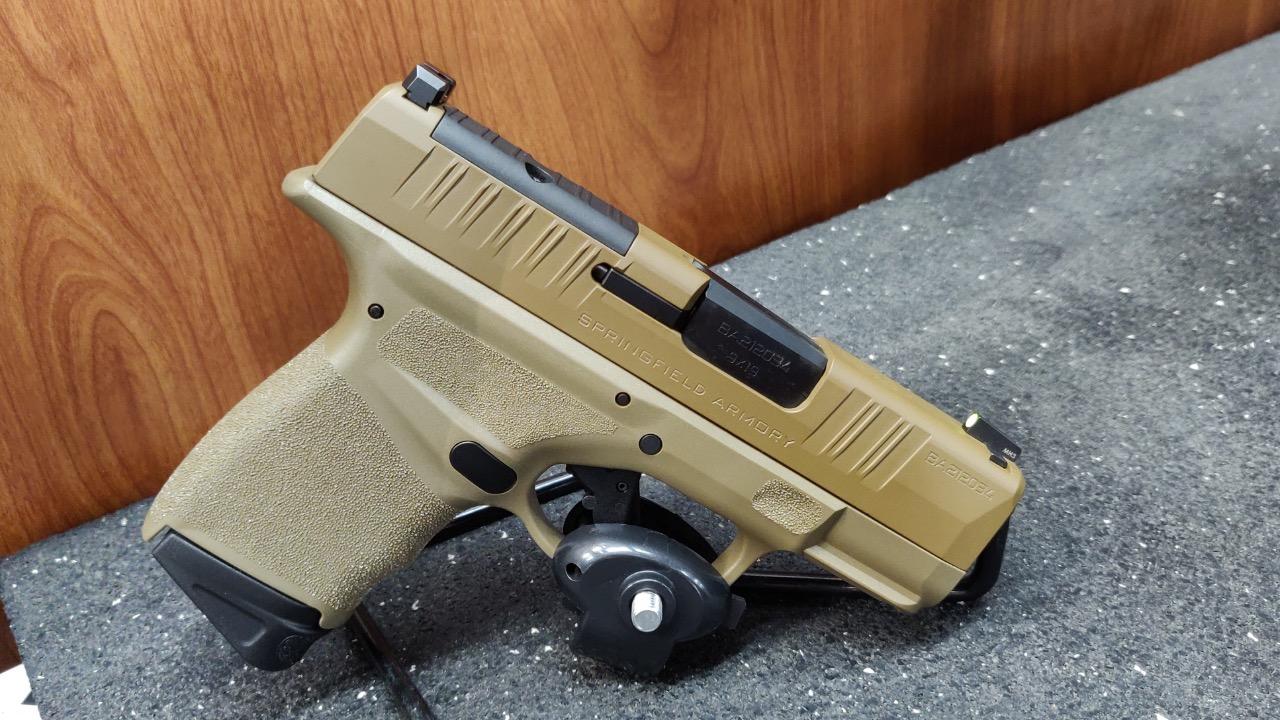
Across competitive shooting, defensive carry, and law enforcement use, a small group of pistols keeps coming up when shooters talk about soft recoil and quick sight recovery without custom work. These models combine factors such as bore axis, grip geometry, slide mass, and recoil spring tuning to reduce muzzle rise before any compensators, porting, or aftermarket triggers enter the picture.
Target-focused designs like the Walther Q5 Match and CZ Shadow series, duty pistols such as the Glock 19 and SIG Sauer P320, and carry-oriented models including the Smith & Wesson M&P 2.0 and HK VP9 all appear repeatedly on lists of accurate, low-recoil handguns. Specialized competition pistols like the CZ Shadow 2 and Tanfoglio Stock II are often highlighted in target pistol roundups for their controllable recoil and fast shot-to-shot performance, even when kept completely stock.
From that broader field, eight pistols stand out for combining manageable recoil, broad availability, and strong track records with everyday shooters:
- Glock 19 (Gen 4 and Gen 5)
- Smith & Wesson M&P 9 M2.0 (4.25-inch)
- Walther PPQ Q5 Match
- CZ 75 SP-01
- CZ Shadow 2
- Heckler & Koch VP9
- SIG Sauer P320 X5 Legion
- Tanfoglio Stock II
Each of these pistols approaches recoil control in a slightly different way, but all share a focus on ergonomics and mechanical layout that keeps the muzzle from climbing sharply under rapid fire.
Why it matters
Recoil is more than a comfort issue. For new shooters, sharp muzzle flip can slow learning and erode confidence. For experienced competitors, it costs time on the clock. For defensive use, controllable recoil directly affects how quickly a shooter can deliver accurate follow-up shots under stress. Pistols that manage recoil well in stock trim lower the barrier to entry and reduce dependence on gunsmithing or expensive accessories.
Glock 19: the baseline for manageable recoil
The Glock 19 has become a reference point for how a compact 9 mm should behave under recoil. Its polymer frame flexes slightly under firing, which helps absorb a portion of the impulse instead of transferring it all to the shooter. A low bore axis keeps the barrel closer to the shooter’s hand, limiting leverage for muzzle rise. In Gen 4 and Gen 5 versions, the dual recoil spring assembly and revised grip texture further tame the pistol during rapid strings.
Although the Glock 19 is lighter than many steel-framed competitors, its recoil impulse is often described as straight back rather than snappy. That characteristic, combined with a consistent trigger and simple controls, helps explain why it is frequently chosen as a first centerfire pistol and as a duty sidearm. Shooters who later move into competition often keep the Glock 19 as a training benchmark because it reveals flaws in grip and stance without punishing the shooter.
Smith & Wesson M&P 9 M2.0: grip-driven control
The Smith & Wesson M&P 9 M2.0, particularly in the 4.25-inch configuration, is known for a flat recoil impulse that encourages fast splits. Aggressive grip texture locks the pistol into the hand, allowing the shooter to apply consistent pressure high on the backstrap. Interchangeable palm swell inserts help fit different hand sizes so more of the shooter’s support hand contacts the frame.
Internally, the M2.0’s steel chassis extends further along the frame than the original design, which stiffens the pistol and improves tracking during recoil. The barrel sits relatively low, similar to the Glock, and the slide profile is not excessively tall. Together, those choices help the front sight return quickly to the target, making the M&P 9 M2.0 a favorite in duty holsters and practical shooting matches where stock configuration is required.
Walther PPQ Q5 Match: tuned for fast follow-up shots
The Walther PPQ Q5 Match is a competition-oriented evolution of the PPQ platform that emphasizes recoil control and sight tracking. Its long slide and 5-inch barrel add weight out front, countering muzzle rise. Lightening cuts in the slide reduce reciprocating mass, so the slide cycles quickly without slamming the frame as hard as a heavier slide might.
The Q5 Match also benefits from one of the more refined striker-fired triggers in its class, which helps shooters avoid disturbing the sights during rapid fire. Combined with a high undercut trigger guard and sculpted backstrap, the pistol encourages a high, locked-in grip. The result is a handgun that many shooters find surprisingly soft and controllable despite its relatively light polymer frame.
CZ 75 SP-01: low bore axis in steel
The CZ 75 SP-01 takes a different path to recoil control by pairing a full steel frame with a slide that rides inside the frame rails. This design places the bore axis very low relative to the shooter’s hand and keeps the slide narrow. When the pistol fires, the mass of the steel frame resists movement, and the low barrel position limits torque that would otherwise flip the muzzle upward.
The SP-01’s weight, around 40 ounces unloaded depending on configuration, soaks up much of the recoil from standard pressure 9 mm ammunition. The grip angle and contour allow a deep, secure hold, and the extended dust cover adds more weight toward the front of the pistol. These traits have made the SP-01 a staple in disciplines where metal-framed 9 mm pistols dominate, and they translate directly into a soft, predictable recoil impulse for range use.
CZ Shadow 2: competition refinement of a proven layout
The CZ Shadow 2 builds on the SP-01 concept with further refinements aimed squarely at competitive shooters. It retains the low-in-frame slide and steel construction but adds more weight in the dust cover and a reshaped grip with aggressive checkering. The beavertail is extended and undercut to let the shooter ride the pistol even higher.
With a typical unloaded weight over 46 ounces, the Shadow 2 handles 9 mm recoil with ease. Extra mass out front, combined with a carefully tuned recoil spring and a long sight radius, keeps the front sight moving in a short, predictable arc during rapid fire. Many shooters find that the pistol tracks almost like a .22 in terms of muzzle movement, which is why it appears frequently in lists of soft-shooting target handguns and dominates production-oriented competition divisions.
Heckler & Koch VP9: ergonomics first
The Heckler & Koch VP9 approaches recoil management through ergonomics and trigger quality. Its polymer frame uses interchangeable side panels and backstraps, allowing a more custom fit than many competitors. A hand-filling, correctly sized grip reduces the tendency for the pistol to twist or shift during recoil, especially for shooters with smaller or larger than average hands.
The VP9’s trigger has a relatively short, clean break and a positive reset, which encourages controlled rapid fire. The bore axis is not as low as some rivals, but the combination of grip shape, slide mass, and recoil spring tuning produces a recoil impulse that many shooters describe as smooth rather than abrupt. For users who want a duty-capable pistol that remains comfortable during long practice sessions, the VP9 offers a strong balance of size, weight, and controllability without relying on aftermarket parts.
SIG Sauer P320 X5 Legion: heavy frame, light recoil
The SIG Sauer P320 X5 Legion is one of the more specialized pistols in this group, designed with competition in mind. It uses a tungsten-infused polymer grip module that significantly increases frame weight while retaining the familiar P320 fire control unit. That extra mass in the grip and dust cover greatly reduces felt recoil and muzzle rise, especially with minor power factor 9 mm loads.
The X5 Legion also ships with a 5-inch bull barrel, a lightened slide, and a recoil system tuned for flat shooting. Its sight radius and optic-ready slide encourage precise aiming, while the weighted frame keeps the dot or front sight from leaving the target area as dramatically under recoil. Shooters who move from a standard P320 to the X5 Legion often report a noticeable drop in muzzle flip and faster split times without any additional modifications.
Tanfoglio Stock II: classic competition manners
The Tanfoglio Stock II, built on the Witness platform, is another steel-framed, competition-focused pistol that has earned a reputation for soft recoil. Its design borrows heavily from the CZ 75 pattern, with a low bore axis and slide-in-frame layout. All-steel construction and a full-length dust cover yield substantial weight, which calms the pistol during rapid fire.
Out of the box, the Stock II typically includes a tuned double-action and single-action trigger, extended controls, and checkered grip panels that help lock the hand in place. The pistol’s balance slightly favors the front, counteracting muzzle rise when the slide cycles. For shooters who want a stock gun that already behaves like a tuned competition pistol in terms of recoil and tracking, the Stock II is a frequent recommendation.
What to watch next
Recoil control is not fixed solely by the pistol. Ammunition choice, shooter technique, and maintenance all play significant roles. Even the softest shooting handgun can feel sharp if paired with high-pressure loads or if the shooter uses a low, loose grip. Conversely, a firm, high grip and solid stance can make a relatively light pistol feel more manageable. That interaction between hardware and technique will continue to shape which pistols gain reputations for being easy to shoot.
Manufacturers are also likely to keep refining striker-fired designs with improved ergonomics and internal recoil systems. Features that were once limited to competition guns, such as extended beavertails, undercut trigger guards, and interchangeable backstraps, have already migrated into mainstream duty and carry pistols. As more shooters prioritize fast follow-up shots and comfort over sheer compactness, pistols that naturally track flat in stock form are expected to remain in demand.
Another trend to watch is the growing interest in optics-ready slides. Red dot sights change how shooters perceive recoil, since the dot’s movement provides immediate feedback on how the pistol tracks. Models like the Walther Q5 Match, SIG P320 X5 Legion, and CZ Shadow 2 are often sold with optics cuts, which encourages more shooters to evaluate recoil control in terms of dot stability rather than just front sight movement. Pistols that keep the dot hovering close to the target between shots will likely gain even more attention.
Finally, regulatory and match rule changes can shift which stock pistols dominate conversations about recoil. Competition divisions that limit modifications or favor factory configurations push shooters toward guns that perform well straight from the box. As rule sets evolve, models that combine controllable recoil with reliability and factory support are best positioned to become the next standard choices for both new and experienced shooters.

Leo’s been tracking game and tuning gear since he could stand upright. He’s sharp, driven, and knows how to keep things running when conditions turn.