NATO Member Issues Warning Over ‘Little Green Men’ at Its Border
A NATO member on the alliance’s eastern flank is warning that Russia could again deploy unmarked fighters, the so‑called “little green men,” to test the bloc’s resolve at its border. The concern reflects a broader fear that Moscow might mix covert tactics with military pressure to probe NATO’s red lines without triggering an automatic collective response.
The warning comes as front‑line allies are already reinforcing defenses and watching for any sign that the hybrid playbook used in Crimea could be adapted to their own territory. Officials argue that the best way to prevent such a scenario is to talk about it openly, set clear thresholds, and prepare in advance for a fast political and military response.
What happened
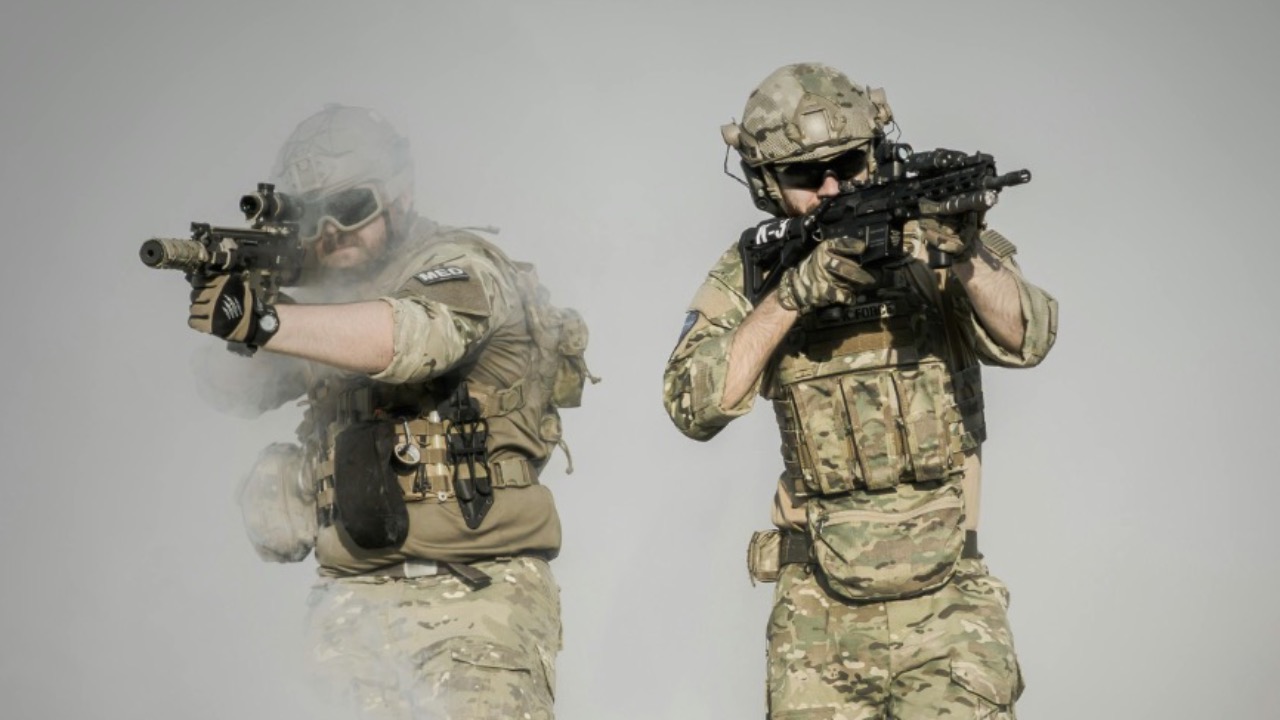
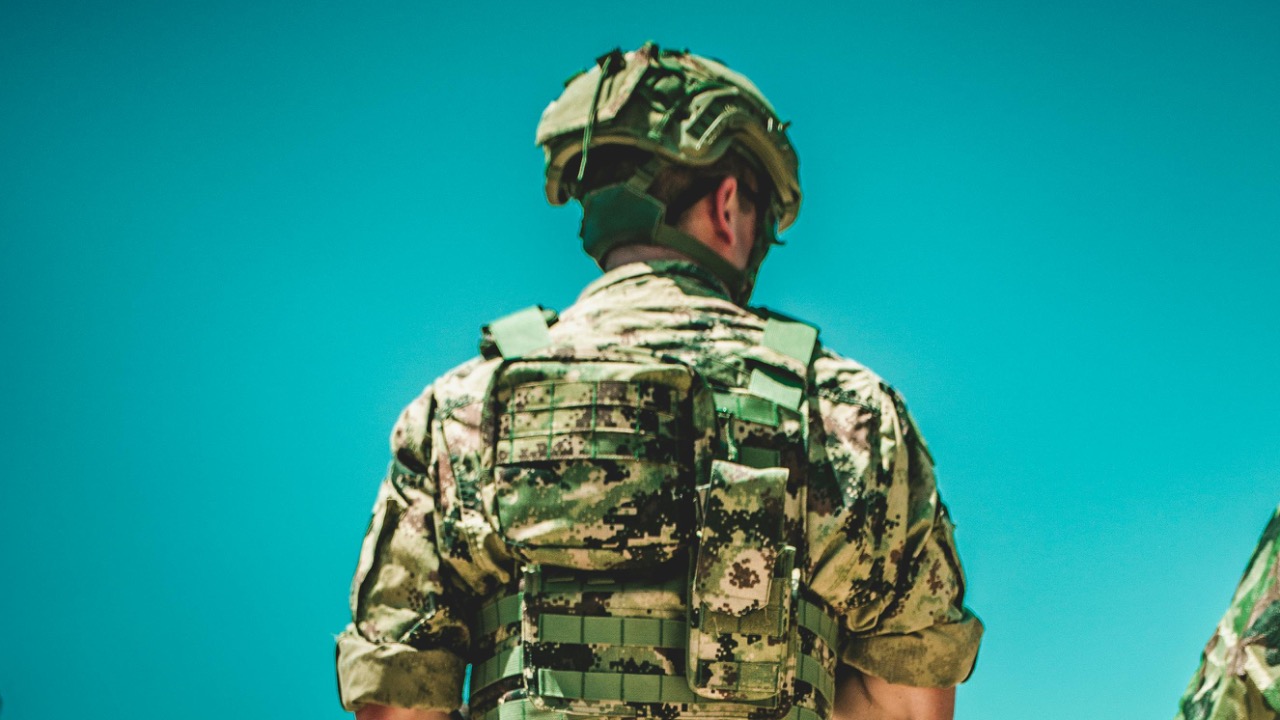
Officials in a NATO country bordering Russia have publicly raised the risk that Moscow could insert unmarked personnel or irregular units across the frontier in a crisis, echoing the “little green men” tactic Russia used in Crimea. The phrase refers to armed soldiers in green uniforms without insignia who appeared in key locations in Crimea before the peninsula’s annexation, a move that Russia initially denied but later acknowledged as its operation.
The current warning centers on the possibility that similar covert units could appear near critical infrastructure, transport hubs, or government buildings on NATO territory, while Moscow insists they are local volunteers or unidentified militants. By using ambiguous forces, the Kremlin could try to create confusion over whether an incursion qualifies as an armed attack under NATO’s Article 5 mutual defense clause, which requires a consensus decision among allies.
Officials who raised the alarm framed the scenario as part of a broader pattern of Russian hybrid pressure. That pattern includes cyberattacks, disinformation campaigns, and aggressive activity near borders, combined with more traditional military moves such as exercises and forward deployments. The concern is that, in a crisis over Ukraine or another regional flashpoint, Russia might see value in staging a small, deniable operation on NATO soil to test how quickly and decisively the alliance reacts.
The warning also reflects growing anxiety about potential “border incidents” that begin as small, ambiguous events but could escalate quickly if misread. In this view, a handful of unidentified armed men at a border crossing or energy facility could be the opening move in a larger campaign, especially if accompanied by cyber disruptions or an information offensive that blames local minorities or criminal groups.
According to one detailed account of the debate over such tactics, officials have explicitly linked the risk of “green men” operations to current tensions with Russia and to the need for clear NATO planning on how to respond to hybrid aggression at the border of an allied state, as described in a recent analysis of NATO.
Why it matters
The scenario matters because it targets what many analysts see as NATO’s most vulnerable point: the political threshold for collective defense. Article 5 was written with clear, overt attacks in mind, such as conventional invasions or missile strikes. Hybrid operations that rely on deniable forces and information fog are designed to sit in a gray zone where some allies might hesitate to label the incident an “armed attack,” at least in the first hours.
That hesitation could be exactly what Moscow would hope to exploit. If unmarked personnel seized a small border town, a power substation, or a local government office, and Russia disclaimed responsibility while amplifying false narratives online, NATO capitals might need time to verify facts, debate legal definitions, and coordinate a response. Any delay could allow the situation on the ground to harden, or encourage copycat moves elsewhere.
For the frontline NATO member issuing the warning, this is not a theoretical exercise. Countries that border Russia or its close partners have already experienced intense pressure that stops just short of open conflict. These states have seen increased air and naval activity near their territory, cyber intrusions against ministries and utilities, and disinformation campaigns aimed at minority communities and elections. The fear is that covert armed groups could be the next step in that escalation ladder.
There is also a domestic dimension. Governments in exposed NATO states must reassure their own populations that the alliance will defend every inch of their territory, including against ambiguous threats. Public warnings about “little green men” serve to prepare citizens for unusual scenarios, such as the appearance of armed men without flags or the sudden disruption of communications alongside unexplained security incidents.
At the same time, such warnings are meant to send a deterrent signal to Moscow. By openly discussing the possibility of unmarked forces and by integrating that scenario into NATO planning, allied governments seek to deny Russia the advantage of surprise. If the alliance can agree in advance that any armed group operating on a member’s soil without that government’s consent will be treated as hostile, the gray zone narrows.
The issue also ties into broader debates inside NATO about burden sharing and readiness. Frontline states argue that credible deterrence against hybrid tactics requires not only traditional units such as armored brigades and air defense batteries, but also rapid reaction police and gendarmerie forces, cyber defense teams, and intelligence cooperation that can quickly identify who is behind an incident. That mix of tools must be backed by clear political messaging that hybrid aggression will trigger a collective response, even if it looks different from a classic Article 5 operation.
What to watch next
Several developments will indicate whether the warning about “little green men” at a NATO border is reshaping alliance policy or remains mostly rhetorical. One key area is planning and exercises. Observers will be watching whether upcoming NATO drills on the eastern flank include realistic scenarios with unmarked armed groups, coordinated cyberattacks, and disinformation campaigns that target local populations. The inclusion of such elements would signal that allies are moving from talking about the threat to practicing concrete responses.
Another indicator will be changes in national rules of engagement and legal frameworks. Governments on the front line may clarify how their security forces can respond to unidentified armed groups, including when to treat them as terrorists, foreign agents, or regular troops in disguise. Any effort to streamline decision making between police, intelligence services, and the military in such scenarios would suggest that the “green men” risk is driving institutional reform.
Diplomatic messaging toward Russia will also matter. If NATO members that share borders with Russian territory or Russian allies begin issuing coordinated statements that any incursion by unidentified armed men will be treated as a hostile act, that would raise the political cost for Moscow of experimenting with such tactics. Conversely, if messaging remains fragmented or muted, the Kremlin might conclude that the alliance is still divided on how to handle the gray zone.
Inside NATO, debates over how to interpret Article 5 in hybrid scenarios are likely to intensify. Some allies may push for formal language that treats certain categories of covert aggression, such as the seizure of government buildings by unmarked forces clearly linked to a foreign power, as equivalent to a conventional attack. Others may prefer to keep strategic ambiguity, arguing that flexibility in interpretation is a deterrent in itself. How that debate evolves will shape the credibility of the warning issued by the concerned member state.
Developments on the ground along the border will also be scrutinized closely. Any uptick in suspicious cross‑border activity, unexplained sabotage, or the appearance of organized armed groups without clear affiliation would immediately test the preparedness that officials claim to be building. Conversely, if the situation remains calm but the rhetoric about hybrid threats continues to rise, some domestic audiences may begin to question whether the warnings are proportionate.
For now, the signal from the eastern flank is clear: NATO should assume that Russia’s hybrid playbook includes the option of unmarked fighters at an allied border, and it should plan accordingly. Whether that planning is enough to deter such a move, or to manage it without escalation if it occurs, will depend on how quickly allies can turn warnings into shared rules, practiced responses, and visible political unity.

Leo’s been tracking game and tuning gear since he could stand upright. He’s sharp, driven, and knows how to keep things running when conditions turn.