5 Handguns That Fall Short in Reliability, Ergonomics and Concealed Carry Performance
Not every handgun is created equal. Some look good on paper or in the display case but disappoint when it counts — failing to run reliably, feeling awkward in the hand, or printing like a billboard when you try to conceal them.
Here are five models that consistently draw criticism from owners and reviewers for falling short in the three areas that matter most for everyday carry and defensive use.
1. SCCY CPX-2 / DVG-1 Series
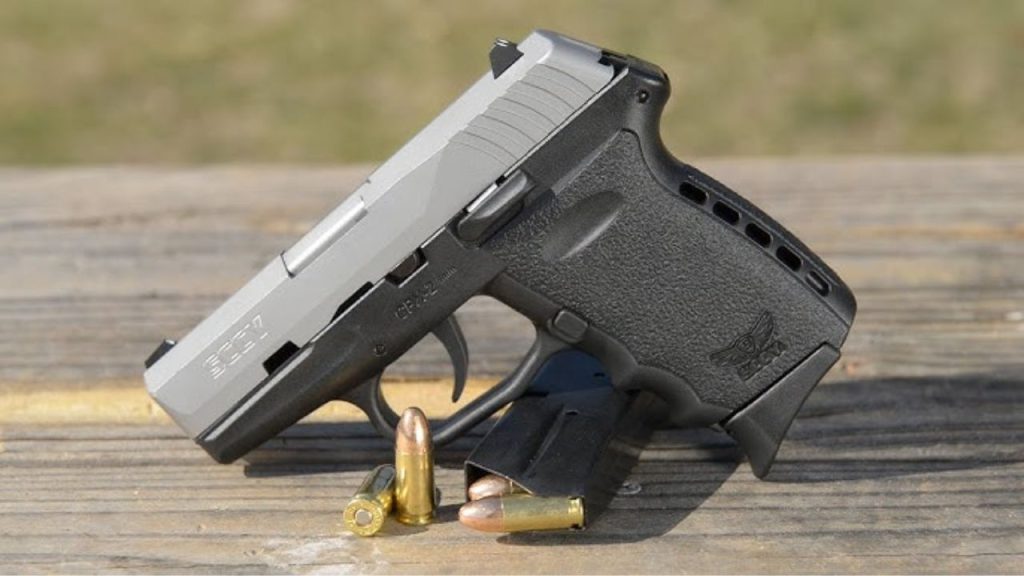
The SCCY gets a lot of attention because of its low price, but many owners quickly learn why it stays cheap.
Reliability issues are common — light primer strikes, failure to feed or eject, and magazines that drop unexpectedly. The trigger is long, heavy, and gritty, making accurate follow-up shots difficult. Ergonomically, the grip feels bulky for its size and the controls are small and stiff. For concealed carry, it’s doable but not comfortable for extended wear, and the reliability concerns make it a risky choice for serious self-defense.
2. Taurus G2C / Early GX4 Models
Taurus has improved in recent years, but the G2C and early GX4 versions still leave many shooters frustrated.
These pistols often need a long break-in period and can suffer from out-of-battery issues or stovepipes during that time. The ergonomics are average at best — blocky grip texture and a trigger that feels mushy. While they conceal decently due to their size, the combination of questionable long-term reliability and mediocre shootability makes them hard to recommend over more proven options in the same price range.
3. Hi-Point C9
The Hi-Point is one of the cheapest 9mm pistols available, and it shows.
It’s heavy for its size, which hurts comfort during all-day concealed carry. Ergonomics are crude — the grip feels like holding a brick, and recoil is sharp and punishing. Reliability varies wildly depending on ammunition and maintenance; many users report frequent jams, especially with hollow points. While it might function for occasional range use, it falls short as a serious carry gun for most people.
4. Kel-Tec PF-9
The PF-9 was one of the early ultra-compact 9mms, but its design has aged poorly.
Extremely thin and lightweight construction leads to snappy, uncomfortable recoil that’s tough to manage quickly. The trigger is heavy and inconsistent, ergonomics are minimal (tiny sights and awkward controls), and reliability can be spotty, especially after a few hundred rounds. It conceals very well on paper, but most carriers find it painful to shoot and difficult to run effectively under stress.
5. Cobra Enterprises .380 ACP Pistols (CA-32 / CA-380)
These tiny .380s are marketed heavily for deep concealment, but they struggle in real-world use.
Reliability is inconsistent at best, with frequent failures to feed and eject. Ergonomics are terrible — the grip is too small for most hands, the trigger is horrible, and felt recoil is sharp despite the mild caliber. They conceal easily due to their tiny size, but the lack of shootability and questionable durability make them a poor choice compared to modern micro 9mms that actually run well.
The takeaway
Price alone shouldn’t drive your concealed carry decision. A handgun that fails to feed, hurts your hand, or prints badly will hurt your confidence and performance when you need it most.
If you’re shopping on a budget, look harder at used Glocks, Smith & Wesson Shields, or reliable imports instead of chasing the absolute lowest sticker price. Spend the money on a gun you’ll actually train with and trust every day — your life is worth more than saving a couple hundred bucks on something that falls short when it matters.

Leo’s been tracking game and tuning gear since he could stand upright. He’s sharp, driven, and knows how to keep things running when conditions turn.