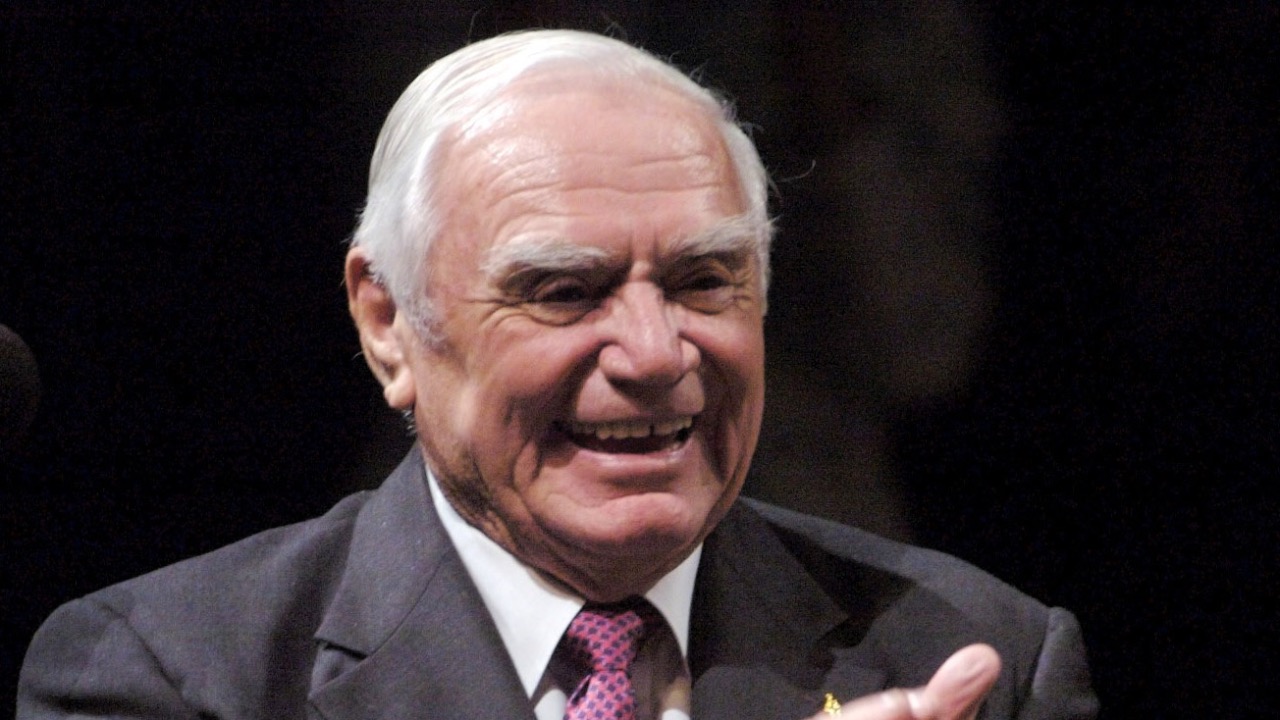
Ernest Borgnine, Oscar-Winning Actor and Star of ‘McHale’s Navy,’ Dies at 95
Ernest Borgnine, the barrel-chested character actor who moved effortlessly from brutal heavies to tender misfits and broad television comedy, has died at 95. The Oscar winner for “Marty” and irrepressible commander of “McHale’s Navy” remained a working performer into his nineties, a familiar face across generations who knew him from very different roles. His death closes a chapter of Hollywood history that stretched from the studio era to cable reruns and animated hits.
What happened
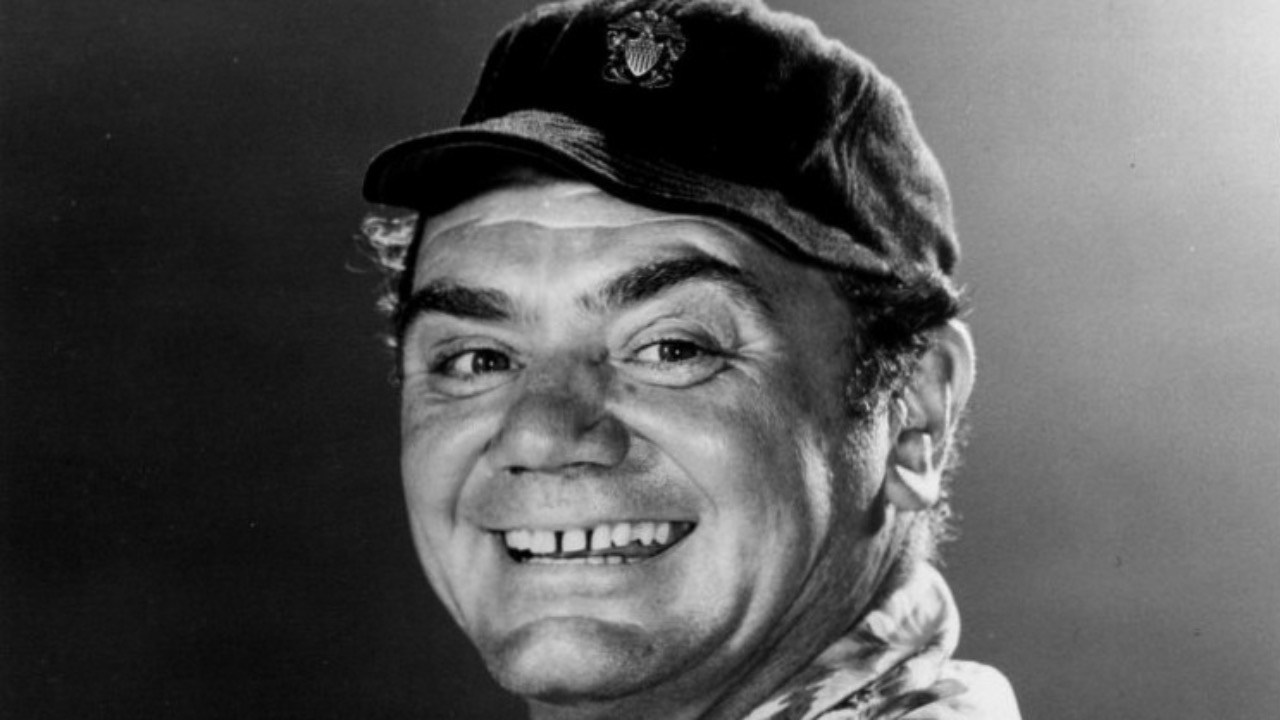
Ernest Borgnine died at 95 in Los Angeles, where he had long made his home as a film and television mainstay. Reports describe the actor dying of apparent kidney failure at Cedars-Sinai Medical Center, surrounded by family members who had watched his health decline in the days before his death, according to coverage of the Oscar-winning film star. His longtime publicist confirmed the death, closing a career that had stretched for more than six decades.
Borgnine remained active well into old age, still appearing at industry events and fan conventions and continuing to work in film and television projects. Accounts of his final years describe a man who relished staying busy, treating acting as both a livelihood and a calling. Even in his nineties he lent his distinctive rasp to voice roles and made guest appearances that delighted audiences who recognized the craggy grin and unmistakable cadence.
Born Ermes Effron Borgnino to Italian immigrant parents in Connecticut, he served in the United States Navy for a decade, including during World War II, before turning to acting. After leaving the service, he studied performance and worked in theater, gradually building a reputation that led to small film roles. His early break came through menacing character parts, notably his turn as the sadistic Sergeant “Fatso” Judson in “From Here to Eternity,” which introduced him to a national audience as a formidable screen presence.
The role that defined his career arrived with “Marty,” the 1955 film about a shy Bronx butcher who believes love has passed him by. Borgnine’s gentle, wounded performance earned him the Academy Award for best actor, surprising observers who had come to associate him with villains and tough guys. Coverage of his death notes that his work in “Marty” beat out marquee stars and cemented his status as a leading man who could carry an intimate, character-driven story.
Television soon offered him a new platform. In the 1960s he headlined the sitcom “McHale’s Navy,” playing Lieutenant Commander Quinton McHale, a scheming but big-hearted skipper running a misfit crew in the Pacific. The series, which ran for four seasons and spawned feature films, turned him into a household name and gave him a second identity as a comic star. As one remembrance of the star of “McHale’s notes, the show’s success rested heavily on his mix of authority and mischief.
Even after that series ended, Borgnine never stopped working. He turned up in films such as “The Dirty Dozen,” “The Wild Bunch,” “The Poseidon Adventure,” “Escape from New York,” and “The Black Hole,” often as a grizzled veteran or morally ambiguous ally. On television he appeared in “Airwolf” in the 1980s, playing Dominic Santini, a genial helicopter pilot who brought warmth to an otherwise hard-edged action series. Later generations discovered him as the voice of Mermaid Man on “SpongeBob SquarePants,” a retired superhero whose booming declarations and confused heroics became a recurring highlight.
Family members and colleagues who spoke after his death described a man whose public persona matched his private behavior. He was remembered as generous with younger actors, patient with fans, and deeply proud of his Italian American roots and his Navy service. A remembrance in one regional outlet that marked how the Oscar-winning actorstayed close to his working-class background noted that he often spoke about his parents’ sacrifices and his own years in uniform.
In Portland and across the Pacific Northwest, where he had filmed projects and appeared at festivals, local coverage of how the Oscar winner kept a loyal following highlighted his frequent interactions with fans. He was known to sign autographs for long stretches and to share stories from sets that spanned black-and-white war dramas to contemporary animation booths.
Why it matters
Borgnine’s death resonates far beyond nostalgia for a familiar face from classic television. His career traces the evolution of American screen acting from the studio-bound 1950s to the fragmented, multi-platform era of the early twenty-first century. He was one of the few performers who could claim both a best-actor Oscar for a modest, character-driven drama and a later identity as a comedic television lead and voice actor in a children’s cartoon.
The significance of “Marty” in his legacy cannot be overstated. At a time when Hollywood often equated leading men with suave glamour, Borgnine offered something different: a stocky, unpolished, utterly believable everyman. The film’s modest scale and focus on a lonely butcher searching for connection made his performance feel unusually intimate for a mid-1950s studio release. His Oscar win validated the idea that emotional honesty could trump conventional star looks, and it opened doors for other actors whose appeal lay in authenticity rather than polish.
Yet Borgnine refused to be confined to that sensitive persona. His willingness to play unsympathetic characters, from the brutal Fatso Judson to various outlaws and mercenaries, showed a range that kept him in demand. In “The Wild Bunch” and “The Dirty Dozen,” he fit comfortably alongside some of the era’s toughest screen presences, contributing to ensembles that redefined the war and Western genres with more violent, morally ambiguous storytelling. His presence in those films linked the classic Hollywood era to the grittier New Hollywood sensibility that followed.
On television, “McHale’s Navy” helped cement the template of the lovable rogue leading a band of misfits in uniform. The show arrived in the wake of more earnest war dramas and offered a lighter, more anarchic take on military life. Borgnine’s McHale bent rules, schemed for side hustles, and outwitted superiors, yet always protected his crew. That blend of subversion and loyalty anticipated later ensemble comedies set in workplaces and institutions, where authority figures are simultaneously mocked and humanized. Coverage of the film star’s career has often pointed to the way McHale’s popularity helped shift perceptions of what a television lead could look and sound like.
Borgnine’s longevity also matters. While many of his contemporaries faded from view, he kept adapting. In the 1980s he embraced the emerging action-adventure trend with “Airwolf,” bringing a seasoned presence that grounded the show’s high-tech premise. In later years he moved into voice work, a path that allowed older actors to remain active without the physical demands of location shoots. As Mermaid Man on “SpongeBob SquarePants,” he introduced himself to children who had never seen “Marty” or “McHale’s Navy,” creating a new fan base that knew him only as an animated superhero with a booming voice and short temper.
That cross-generational reach is part of why his death drew such wide attention. Grandparents remembered him as the lonely butcher who finally found love, parents recalled the chaotic PT boat of “McHale’s Navy” and the helicopters of “Airwolf,” and children recognized the underwater crimefighter shouting catchphrases in Bikini Bottom. Few actors maintain that kind of presence across so many formats and decades.
His body of work also illustrates how character actors once found steady employment in a studio and network system that relied on familiar faces. Borgnine often spoke of himself as a working actor rather than a star, someone who showed up on time, knew his lines, and took pride in professionalism. That ethos, described in several retrospectives, reflects a Hollywood in which long careers were built on reliability as much as charisma. In an era now dominated by short-term franchises and rapid casting turnover, his path looks increasingly rare.
Obituaries have highlighted how his public persona defied easy categorization. He could project menace, tenderness, or broad comedy with equal conviction. A feature collecting most memorable moments emphasized that his standout scenes often came from unexpected corners of his filmography, from quiet exchanges in “Marty” to explosive confrontations in action films and self-parodying cameos later in life. That unpredictability kept audiences engaged and prevented him from being locked into a single archetype.
His personal story also holds meaning. As the son of Italian immigrants who worked factory and household jobs, and as a Navy veteran who saw active duty, Borgnine embodied a midcentury American narrative of upward mobility through service and persistence. Remembrances that track his journey from New Haven to Broadway and Hollywood describe a man who never entirely shed his working-class sensibility. He often credited his parents’ sacrifices and his time in the Navy with giving him the discipline to endure the uncertainties of acting.
For the entertainment industry, his death serves as a reminder of a generation that bridged live theater, studio pictures, network television, and modern cable and animation. Borgnine worked with directors and actors who defined multiple eras, from Burt Lancaster and Montgomery Clift to younger colleagues who grew up watching him. His passing narrows the living connection to that broad span of screen history.
What to watch next
For viewers who know Borgnine only from a single role, his death has prompted a renewed interest in exploring the breadth of his work. Several key performances offer a starting point for understanding why colleagues and critics regarded him as one of the most versatile character actors of his generation.
“Marty” remains the essential entry. The film’s modest running time and straightforward story make it accessible, but the emotional detail in Borgnine’s performance rewards close attention. Scenes in which Marty debates whether to call a woman he has just met or endures his friends’ mockery showcase his ability to convey insecurity and hope within a single line reading. For those accustomed to seeing him as a blustering comic figure, the quiet vulnerability of “Marty” can be surprising.
Episodes of “McHale’s Navy” capture his comic timing and his knack for leading an ensemble. The show’s black-and-white photography and period references may feel distant, but the dynamic between McHale and his crew still plays as a recognizable workplace comedy. Fans who grew up on the series often single out episodes where McHale must outwit Captain Binghamton, turning bureaucratic absurdity into farce. Regional coverage that revisited the Connecticut native’s television after his death pointed new viewers back to those early seasons.
For a sense of his darker edge, “From Here to Eternity,” “The Wild Bunch,” and “The Dirty Dozen” show him as part of tough, morally complex ensembles. In each, he plays men shaped by violence and hierarchy, often forcing the audience to weigh charisma against cruelty. These roles contrast sharply with the gentle Marty and the scheming but fundamentally kind McHale, underlining just how wide his range could be.

Leo’s been tracking game and tuning gear since he could stand upright. He’s sharp, driven, and knows how to keep things running when conditions turn.