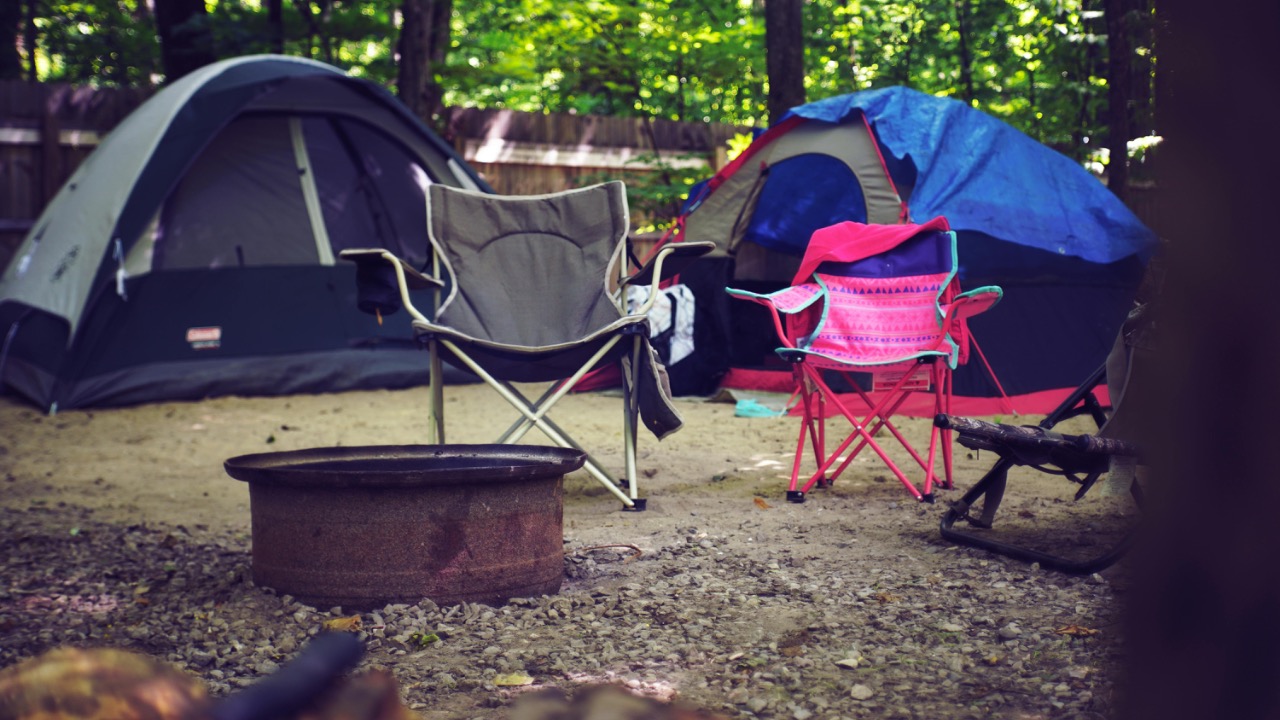
Why camping alone carries risks many people underestimate
Solo camping has a powerful pull: the promise of silence, self-reliance and a sky full of stars with no one else around. That freedom is real, but so are the hazards that come with removing the safety net of other people. Many campers fixate on rare horror stories and overlook the more ordinary ways a quiet night alone in the woods can turn into an emergency.
I see solo trips as neither reckless nor inherently heroic, but as a kind of risk experiment that deserves clear-eyed planning. The dangers are not a reason to stay home; they are a reason to be honest about what can go wrong when no one is there to share water, call for help or simply say, “this feels off, let’s move.”
Why solo camping risk feels different from group trips
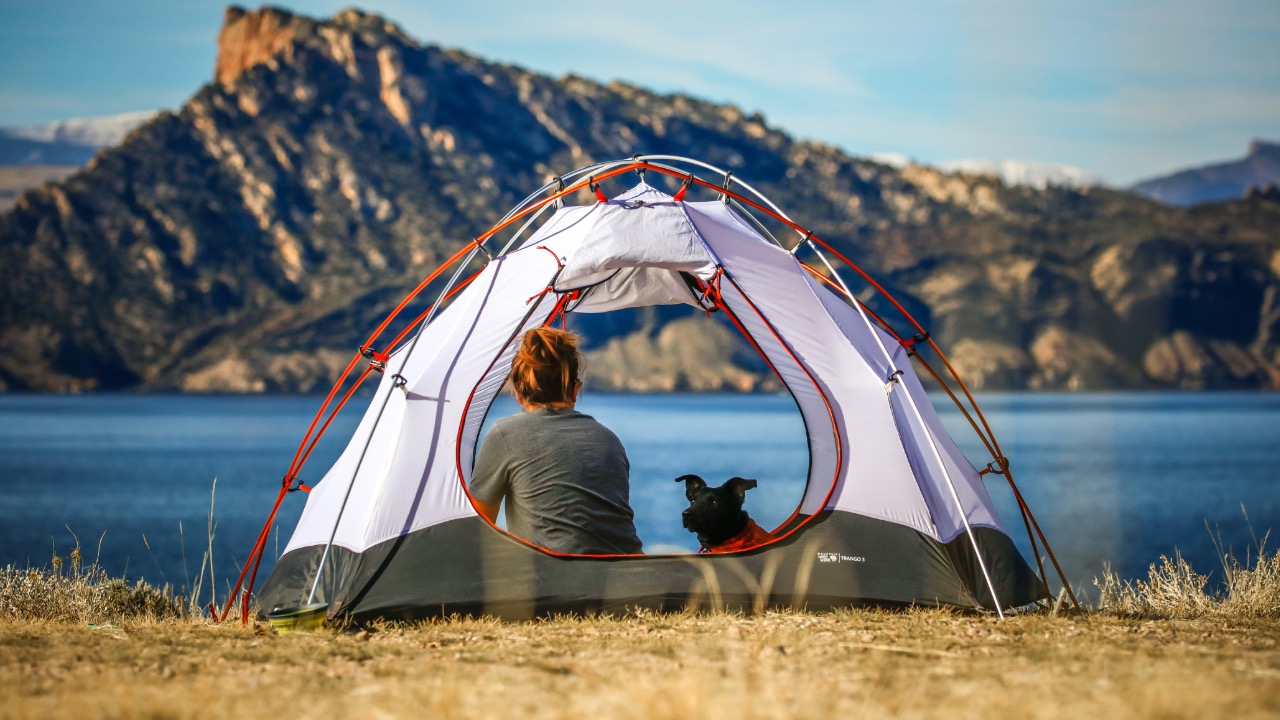
Being alone in the backcountry changes the math on every decision, from where you pitch your tent to how far you push before dark. Outdoor safety research points out that traveling in a group improves safety in almost every respect, because other people can share gear, assist with injuries and help problem-solve when conditions change. When I head out alone, I am choosing to give up that built-in backup, so a twisted ankle or lost trail carries a very different weight than it would on a busy weekend with friends.
The same logic shows up in broader safety advice for people who live alone. Guidance for aging singles warns that if you are by yourself, you may have no one to notice if you fall or have a medical emergency and cannot reach out for help, a scenario that looks uncomfortably similar to a solo camper incapacitated in a remote site. Outdoor risk analysis makes a similar point, noting that group travel improves safety in all regards, especially when someone can administer first aid or go for help while another person stays with the injured camper. Those shared responsibilities simply do not exist when you are alone.
The risks most people underestimate when they head out solo
When people talk about camping alone, the conversation often jumps straight to crime or dramatic animal encounters. Yet seasoned hikers tend to worry more about mundane problems that spiral in remote places: hypothermia, dehydration, bleeding, getting lost or running out of water. In one discussion of solo camping for young women, commenters stressed that every extra ounce of gear slows you down and burns energy, which can matter when you are trying to avoid hypothermia, dehydration or bleeding out far from a trailhead.
Backpacking risk data backs up that quieter picture of danger. One analysis of incidents in the backcountry notes that falls, medical issues and exposure to the elements account for over 100 fatalities in a given period, a reminder that terrain and weather are far more consistent threats than strangers. Solo campers also face compounding problems: if you are out of water, you cannot ask a friend for some; if you suffer a broken ankle, you need to self-rescue; if you fall on your head and are unconscious, you have no one to call for help. Those blunt scenarios, raised by one camper asking how dangerous solo camping really is, capture the way small missteps can turn into life-threatening situations when you are alone.
Injury, illness and the limits of self-rescue
Injury and illness are the quiet hazards that make solo camping genuinely high stakes. Safety briefings on hiking and remote travel stress that if someone is injured and the group cannot move them, one person should stay with the casualty while others go for help so the injured person is not left alone. When you are solo, that option disappears. A simple sprain, an allergic reaction or sudden chest pain becomes a race between your ability to improvise and the time it takes for anyone else to stumble across your campsite or car.
Risk breakdowns for solo camping list injury or illness as one of the most pressing concerns, ahead of many of the fears that dominate social media. Guidance on the dangers of camping alone underscores how a solo camper dealing with injury or illness has to manage pain, shock and decision-making without support, and that one of the main differences from group trips is the lack of immediate aid. The same pattern shows up in everyday life: advice for older adults living alone warns that if you are single and living alone, you will not have someone to notice if you fall or have another sort of medical emergency and cannot reach out for help. A solo camper deep in the woods is essentially stress-testing that same vulnerability in a harsher environment.
Navigation mistakes and getting lost off the beaten path
Getting turned around is a rite of passage for many hikers, but when you are alone it can quickly become dangerous. A navigation system could be a paper map of the area you plan on traveling in along with a compass, or it could be a downloaded digital map on your phone, a handheld GPS or, for those hiking a long-distance trail, the FarOut app. The problem is that some solo campers rely on a single tool, like a phone with spotty reception, and underestimate how disorienting dense forest, fog or fading light can be without a second person to compare notes with.
Modern tools can help if they are used thoughtfully. Platforms like AllTrails and Gaia GPS offer detailed route maps, elevation profiles and user reports, but they still assume the person holding the device can read terrain and make conservative choices when conditions change. Road access is another overlooked risk. Campers swapping stories about solo trips point out that the winding, unmanned and unpaved roads you need to drive to some sites are vastly underestimated risks, especially if your vehicle breaks down or you misjudge how remote the area really is. When you are alone, a wrong turn on a forest road can matter as much as a wrong turn on a trail.
Wildlife, food storage and the false sense of security in a tent
Wildlife encounters loom large in the imagination of solo campers, even though the more common problems involve food and poor campsite choices. One solo camper writing about their first trip described realizing their rookie mistake, forgetting to bag their food, and then spending maybe an hour that night listening for every rustle outside the tent. That kind of oversight is easy to make when you do not have a partner double-checking the site for smells, crumbs or trash that might draw animals in.
Advice aimed specifically at women camping alone is blunt about the vulnerability of a tent. One guide framed the question, How to be safe when camping alone as a woman, and answered it by pointing out that in your tent, you are exposed and vulnerable, with only thin fabric between you and whatever is outside. That does not mean danger is guaranteed, but it does mean that food storage, campsite selection and awareness of local wildlife patterns matter more when there is no one else to share the watch. Even short videos about the dangers of solo camping, such as one from Jun that talks about how home invasion footage looks and why, draw a parallel between false security indoors and the thin barrier of a tent in the woods.
Human threats, gendered fears and what the data actually shows
Concerns about human threats shape solo camping decisions, especially for women and gender minorities. Travel reporting on solo trips notes that solo travelers of all genders cite fears of loneliness, difficulty meeting people or danger as anxiety points, and that women often report a higher baseline of concern than their male solo traveler counterparts. Some guides aimed at women camping alone stress that of course there are real dangers out there and that you are exposed and vulnerable in your tent, which can amplify worries about being targeted in isolated areas.
Experienced solo travelers, however, often push back on the idea that violence is the default outcome. One solo travel essay puts it plainly: But that is not to say that threats are not real, they are just not the norm, and as a solo traveller you often find that people want to help rather than harm. A short video from Mar about solo camping frames the biggest challenge as the mental hurdle, explaining that y’all I used to think that solo camping was absolutely terrifying until I realized what was actually scary, hinting that fear of the unknown can overshadow more likely risks like weather or injury. Discussions in camping communities echo this, arguing that safety in numbers still matters but that trusting your instincts, leaving if your spidey senses are tingling and choosing well-used sites can go a long way toward reducing human risk.
Loneliness, mental strain and the psychology of being alone outside
The mental side of solo camping rarely shows up in gear lists, but it shapes how people respond when things start to go wrong. Solo travelers often describe a mix of empowerment and isolation, noting that you have to be able to enjoy solitude because you also do not have anyone to witness all the beautiful things you see. One bikepacking discussion put it starkly: But you also do not have anyone to witness all the beautiful things you see, You have to eat alone, cook alone, struggle alone, make decisions alone and have to be able to enjoy solitude. That solitude can be restorative on a calm night and overwhelming in a storm.
There is also a reason wilderness programs use remote settings to prompt reflection. One analysis of wilderness therapy explains that Instead the wilderness environment slows the student down long enough to more profoundly consider decisions and goals and to reconnect with the person that they dreamed to be. That same slowing effect can be powerful on a solo camping trip, but it can also bring up anxiety or past trauma when there is no one else around. Even enthusiastic supporters of solo camping admit that the solitude of being utterly alone in nature is not for everyone, a point echoed by one guide that notes While solo camping is less common than camping in groups, a sizable community of enthusiasts finds joy and satisfaction in this intense solitude. The key is recognizing that mental strain, not just physical danger, is part of the risk profile.
How planning tools and campsite choices can quietly raise or lower risk
Good planning does not eliminate risk, but it can keep you out of the most avoidable trouble. Before I head out alone, I treat route planning and campsite research as seriously as packing a first-aid kit. Detailed mapping tools like AllTrails and Gaia GPS help me study elevation, water sources and recent trip reports so I am not surprised by washed-out bridges or closed sections. For long trails, I also look at digital guidebooks that mirror the way the FarOut app lays out resupply points and bailout options, as described in one breakdown of solo backpacking myths.
Where you sleep matters just as much as how you get there. In the United States and beyond, platforms like Recreationlist established campgrounds on public land and allow you to make reservations directly, while private booking sites such as Hipcamp market themselves as an Airbnb of campsites with everything from farm stays to remote clearings. One solo camper wrote that when they booked each of their campsites using Recreation and Hipcamp, they chose places that were close enough to other people to feel safe but not so close that they lost the sense of being away from it all, and they deliberately avoided sites light-years away in case of an emergency. A separate guide to camping alone praises Recreation.gov as a wonderful website for checking amenities, road conditions and rules before you commit to a site, which can prevent surprises like seasonal closures or lack of potable water.

Leo’s been tracking game and tuning gear since he could stand upright. He’s sharp, driven, and knows how to keep things running when conditions turn.