NATO Chief Says Alliance Is Willing to Help Secure Strait of Hormuz Mission
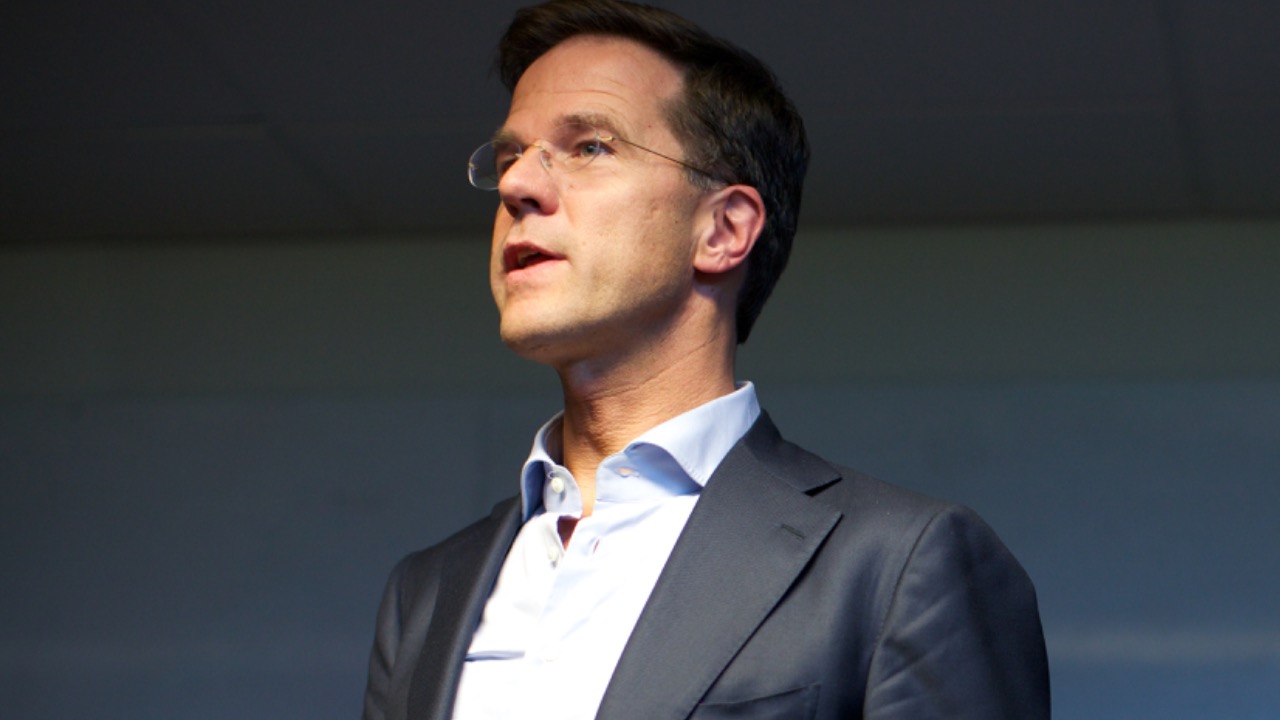
You have probably seen the headline about NATO’s top official signaling support for a mission to keep the Strait of Hormuz secure. It captures a tense moment in global affairs right after Mark Rutte met with President Donald Trump. The secretary general made his remarks on April 9 at the Ronald Reagan Presidential Foundation and Institute in Washington. This comes against the backdrop of recent U.S. military operations against Iran that led to the strait being blocked. The waterway carries around one-fifth of the world’s oil trade, so any closure hits supply chains hard. Rutte made it clear the alliance sees value in stepping up where it can, even as differences linger between Washington and European capitals. You depend on stable energy flows for everything from commuting costs to grocery prices, and this development tries to address that vulnerability head-on.
The Background on Why the Strait of Hormuz Became a Flashpoint
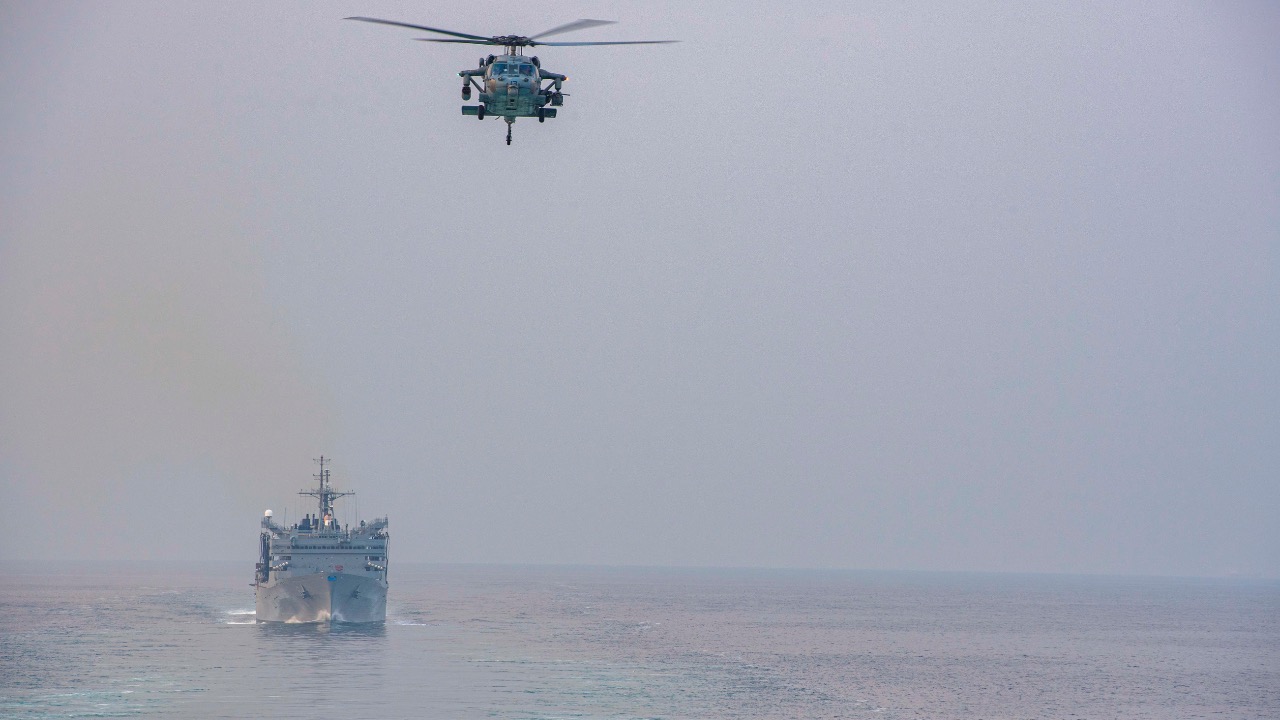
Iran effectively shut down traffic through the narrow passage during the height of the conflict with the United States. Ships stopped moving, and that created immediate shortages in global energy markets. European leaders have noted they were not consulted before the operations began, which added to the friction inside the alliance. Now that a ceasefire holds, attention has turned to reopening the route safely. Multiple countries want guarantees that vessels will not face attacks or demands for tolls from Iran. You notice the fallout every time oil prices spike because those costs pass along to fuel and goods you buy daily.
The situation remains fragile. Diplomats emphasize that any lasting fix requires talks with Iran to ensure safe passage. Without that, efforts stay limited to planning rather than full deployment. This phase marks a shift from active fighting to practical measures that protect trade for everyone involved.
Mark Rutte’s Statement and What It Signals
Rutte told his audience that if the alliance can contribute to keeping the strait open, it should do so. He delivered this message one day after sitting down with President Trump at the White House. His words point to a willingness to explore options without committing the entire NATO structure to a new operation. Instead, he highlighted practical cooperation among member states. You can see how this approach avoids forcing every ally into a single decision, which would require unanimous agreement anyway.
He also noted that nearly all allies have responded to U.S. requests in recent weeks. The tone suggests a desire to move past early hesitation and focus on shared interests. This public stance aims to show unity at a time when the alliance faces scrutiny from Washington.
The Private Message Rutte Delivered to European Leaders
Behind closed doors, Rutte informed European governments that Trump expects firm plans within days for securing the strait. Diplomats who received the briefing described the urgency as clear and direct. Leaders now face pressure to outline specific contributions quickly. You might wonder why the rush matters so much. The answer lies in the economic damage already done by the blockage and the need to restore confidence in energy markets.
Some capitals expressed surprise at the speed of events early on. Rutte acknowledged that initial responses felt slow to Washington. Yet he stressed that support has grown substantially since then, covering areas like basing rights and logistics. This internal push keeps the conversation moving toward concrete action.
Mixed Signals Between NATO and the White House
The White House has stated publicly that NATO failed an important test and that no formal request went to the alliance for help. Officials there point out that Europe benefits more from open shipping lanes than the United States does. At the same time, Rutte’s comments suggest ongoing dialogue and a path forward through coalitions of willing nations. You see the contrast playing out in real time between public frustration and private coordination.
This back-and-forth reflects deeper questions about how the alliance operates when threats fall outside its traditional collective defense rules. Rutte has tried to frame the issue as one involving individual allies rather than the organization as a whole. The result leaves room for progress without locking everyone into the same level of involvement.
How Allies Have Ramped Up Their Contributions
A large majority of European nations have provided practical help in recent weeks, including access to bases, logistical support, and overflight permissions. Rutte described this as a massive increase from the earliest days of the conflict. Countries that once limited their role are now examining options like frigates or surveillance assets. You benefit indirectly when these steps reduce the risk of prolonged disruptions to trade.
The United Kingdom has taken the lead in pulling together around 40 countries for a coordinated plan. France has mentioned roughly 15 nations preparing to ease the resumption of traffic. These efforts focus on the post-hostilities phase, once a more durable understanding with Iran takes shape.
The Emerging Coalition for Maritime Security
Talks center on forming groups of countries that work directly with the United States outside the formal NATO framework. The goal stays simple: ensure free navigation without accepting any Iranian-imposed fees or threats. Rutte pointed to countries examining what each can offer, whether mine hunters or technology for monitoring. This model lets participants move at their own pace while still contributing.
Allies have made clear they prefer waiting for a lasting cessation of hostilities before committing ships. That condition protects their forces and aligns with diplomatic efforts already underway. You can track progress through announcements about joint exercises or patrol agreements in the coming weeks.
Broader Shifts in Transatlantic Relations
Rutte described the current period as one of profound change for the alliance. He argued that Europe must shoulder a greater share of its own defense responsibilities to create a healthier partnership. Past reliance on American capabilities had grown unsustainable, in his view. This Hormuz episode tests whether that shift can happen smoothly under pressure.
He expressed understanding for Washington’s disappointment while highlighting the concrete steps allies have taken. The conversation now includes larger questions about burden sharing that extend beyond the Middle East. These dynamics will shape how future crises get handled across the Atlantic.
What This Means for Future Stability in the Region
Securing the strait represents one piece of a larger effort to stabilize energy routes after the recent fighting. Successful coordination could prevent similar blockages and keep prices steadier for consumers worldwide. Rutte stressed that allies recognize the stakes and are responding accordingly. You stand to gain if these measures restore reliable shipping sooner rather than later.
Negotiations with Iran continue in the background, which will determine how quickly traffic resumes fully. Until then, the focus stays on planning and incremental contributions. This episode shows how quickly regional tensions can affect global flows, and how alliances adapt when tested.

Asher was raised in the woods and on the water, and it shows. He’s logged more hours behind a rifle and under a heavy pack than most men twice his age.