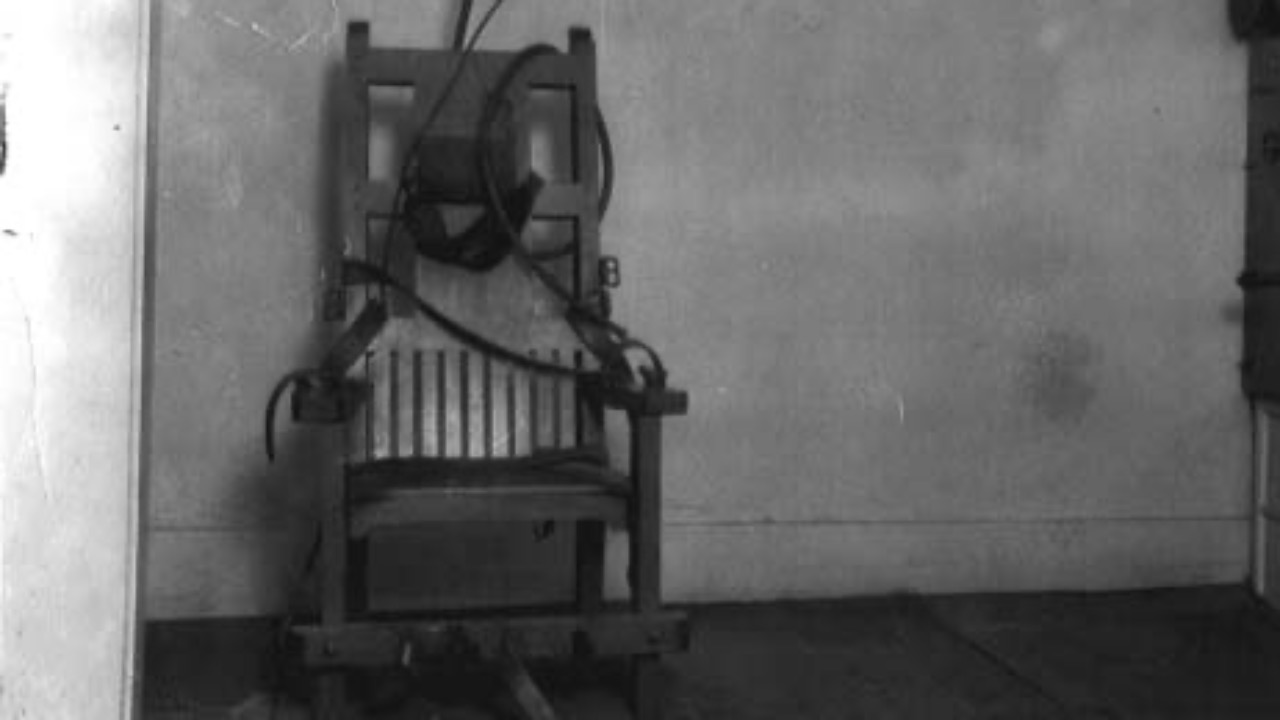
Tennessee Prepares for Its First Female Execution in Centuries
Tennessee has scheduled an execution that would mark a first in the state for more than two centuries. Christa Gail Pike, the only woman on the state’s death row, faces lethal injection on September 30, 2026. If it goes forward, she becomes the first woman executed here since 1820 and one of just a handful of women put to death anywhere in the modern era of capital punishment. You see cases like this surface every so often, but this one carries layers of history, legal maneuvering, and questions about how the system treats people who committed crimes as teenagers decades ago. Pike was 18 when the murder happened. Now 50, she has spent over 30 years in a cell the size of a parking space. The state says justice demands this outcome. Her lawyers argue the punishment no longer fits who she is or the full picture of what led her there.
How the Crime Unfolded in 1995

You start piecing together the events from January 12, 1995, and the details still land with force. Pike and two others from the Knoxville Job Corps program lured 19-year-old Colleen Slemmer into the woods near an abandoned steam plant close to the University of Tennessee campus. They told her they wanted to talk things out and offered marijuana. Once there, the situation turned violent. Slemmer was beaten, slashed with a box cutter and meat cleaver, and had symbols carved into her body during a half-hour ordeal. Pike then smashed her skull with a piece of asphalt. The group left the body behind. Pike kept a fragment of the skull and later showed it around the dorm, which helped investigators connect the dots quickly. All three were arrested within days. Pike confessed, describing how things escalated beyond any plan to scare the victim.
The brutality of the attack shocked the community. Court records show Pike acted out of jealousy, believing Slemmer was trying to interfere with her relationship. The evidence at trial included Pike’s own statements and the physical proof recovered at the scene. Prosecutors pushed for the death penalty against her alone, even though she was the youngest of the three at the time. The jury convicted her of first-degree murder and conspiracy in March 1996. A month later she received the death sentence. Those facts have never changed, even as years of appeals have piled up.
The People Who Were There That Night
Take a look at the others involved and you notice how differently the system treated them. Pike’s boyfriend, Tadaryl Shipp, was 17 and tried as an adult. He received a life sentence with the chance of parole, which he has pursued without success so far. The third participant, Shadolla Peterson, who was 18 and acted mainly as a lookout, testified against the pair and walked away with probation. Only Pike faced capital charges. You can see why her lawyers keep pointing to that disparity. Shipp, younger by a year and therefore ineligible for death under the rules at the time, will eventually have another shot at release. Pike has none unless something shifts in the courts or with the governor.
This split in outcomes sits at the center of ongoing arguments about fairness. The crime involved all three, yet the punishment fell hardest on Pike. Records from the trial and later appeals highlight how group dynamics and her youth played roles. Defense experts at the time described her as someone who lost control in the moment rather than someone who planned every step with cold calculation.
Christa Pike’s Path to Death Row
Pike grew up in a turbulent home in West Virginia before landing at the Job Corps program in Knoxville. Records describe childhood neglect, family instability, early suicide attempts, and later struggles with mental health. She arrived in Tennessee hoping for a fresh start and training as a nursing assistant. Instead, the events of that January night ended any normal future. At 20 years old she became one of the youngest women sentenced to death in the country during the modern death penalty period. She has remained the only woman on Tennessee’s death row ever since. Two others received death sentences but later had them reduced.
Her time behind bars has included additional incidents, like a 2001 attack on another inmate that added more years to her sentence. She has also faced claims of escape plotting, though no charges stuck there. Through it all, appeals have come and gone. Some she tried to drop herself years ago before changing course. The courts have upheld the conviction and sentence multiple times.
The Long Wait on Death Row
More than three decades have passed since the sentencing. You spend that kind of time in isolation and the isolation itself becomes part of the story. Pike lived for years in a tiny cell with limited human contact until a 2024 agreement improved her conditions somewhat. She now has a job, shared meals with other women, and more time outside her cell. Still, the clock keeps ticking toward the September date. Her lawyers describe someone who has reflected deeply on the crime and expressed remorse in her own words, calling it a massive mistake made by a mentally ill teenager.
The wait has also allowed more evidence about her background to surface. Claims include fetal alcohol exposure leading to brain damage, repeated trauma, and documented mental illness going back to childhood. These factors have fueled petitions for clemency and arguments that the original sentence no longer aligns with current understandings of youthful brains and rehabilitation.
What Makes This Execution Historic
If the state carries this out, Tennessee will cross a line it has not crossed in two full centuries. No woman has been executed here since 1820. Nationally, women make up a tiny fraction of death row and executions. Only 18 women have been put to death since 1976, the last one in Missouri in 2023. Pike would be the 19th. She would also be the only person executed in Tennessee for a crime committed at age 18, 19, or 20 in the modern era. Those numbers matter because they highlight how rare this step is and how much attention it draws from people tracking capital punishment.
You see the historical weight when you compare it to the broader trend. Support for the death penalty has dropped, and juries hand out far fewer death sentences, especially to women. Yet Tennessee has moved forward with setting the date alongside three male inmates.
The Legal Challenges Still in Play
Pike’s team has not stopped fighting. In January 2026 she filed a lawsuit challenging the state’s new lethal injection protocol, which uses a single drug, pentobarbital. She argues it conflicts with her religious beliefs and could amount to cruel and unusual punishment. The suit also seeks to end the 14-day isolation period before execution and asks for medical safeguards if something goes wrong. Earlier appeals focused on her age at the time of the crime and claims of ineffective counsel. Most of those have been denied, but this latest round remains active.
Her lawyers continue to press the governor for intervention, citing the sentence disparity with Shipp and her history of trauma. A petition from Tennesseans for an Alternative to the Death Penalty has gathered thousands of signatures asking for mercy. The courts could still step in before September.
Questions Around Age and Mental Health
When you examine the case through the lens of what we now know about brain development, the age factor stands out. Pike was 18, legally an adult, but just barely. Modern research shows the parts of the brain that handle impulse control and long-term consequences keep maturing into the early 20s. Her lawyers have argued this in appeals, pointing to Supreme Court rulings that protect those under 18 from execution. They say the line at 18 feels arbitrary when the science and her personal background are considered together.
Mental health records add another layer. Experts who evaluated her described severe issues that predated the crime and have persisted. The state has acknowledged some of these factors but maintains the conviction and sentence hold. This tension between accountability and mitigation is what keeps the debate alive even after 30 years.
Where Things Stand Right Now
As of April 2026, the execution date remains on the books, but nothing is certain. The legal challenge to the protocol is moving through the courts. Public interest has picked up again since the date was set last fall. Victim’s family members have not spoken publicly in recent reports, but the pain from 1995 still echoes for them. Pike herself has described the crime as something that sickens her now and has affected countless lives.
Tennessee has carried out several executions in recent years using the updated method, so the machinery is in place. Whether this one proceeds on schedule or faces more delays will depend on the next few months of rulings and any last-minute appeals. You watch these cases and realize they force everyone to confront hard questions about punishment, redemption, and what society chooses to do with people who committed terrible acts when they were barely adults. The September date looms, but the story is not over.

Asher was raised in the woods and on the water, and it shows. He’s logged more hours behind a rifle and under a heavy pack than most men twice his age.