15 Animal Species That Could Face Extinction by 2030
The clock is ticking. Habitat loss, poaching, climate change, pollution, and illegal wildlife trade are pushing many species toward the brink. While exact extinction dates are impossible to predict, conservation experts (including the IUCN Red List and WWF) identify these animals as facing an extremely high risk of disappearing in the wild within the next few years if urgent action isn’t taken.
Here are 15 critically endangered species on the edge:
Vaquita
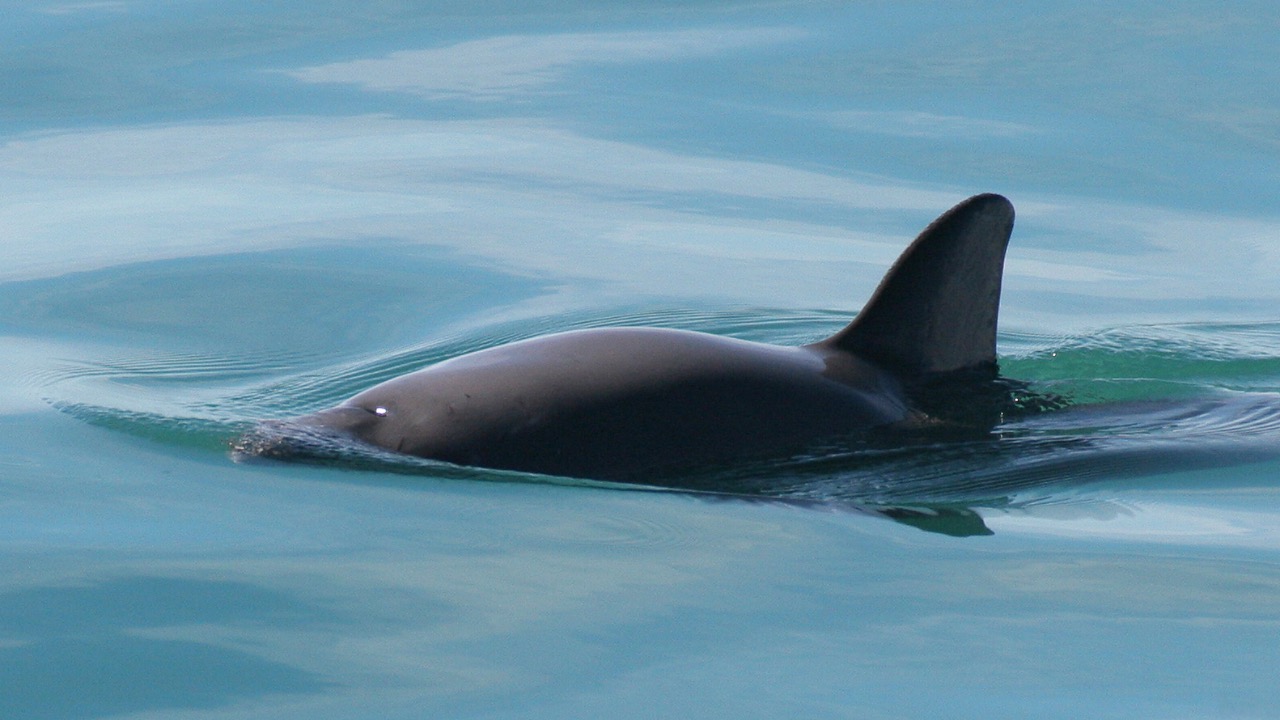
The world’s smallest and rarest marine mammal. Fewer than 10 individuals remain in Mexico’s Gulf of California. Gillnet fishing bycatch is the main killer.
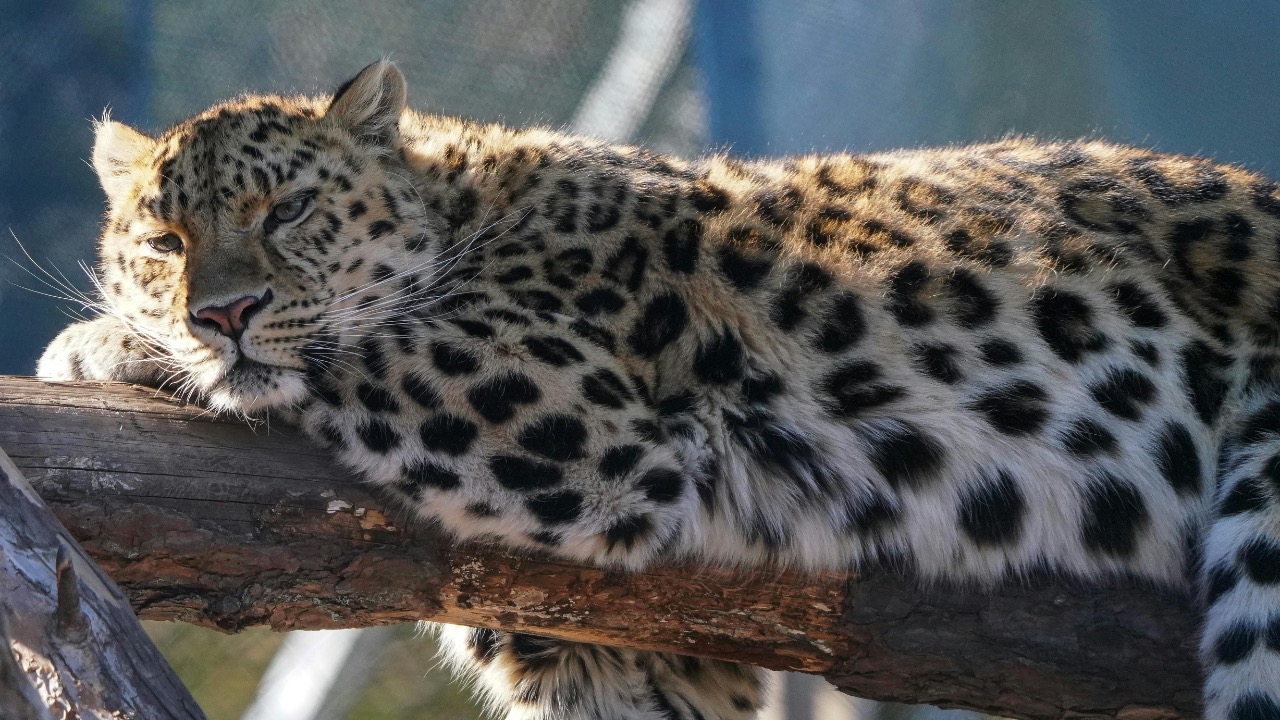
Amur Leopard
Only about 100–130 left in the wild in Russia and China. Habitat loss and poaching have made it one of the rarest big cats on Earth.
Saola
(Asian Unicorn) Extremely elusive and rarely seen. Fewer than 100 (possibly as few as 20–30) remain in Vietnam and Laos. Snaring is the biggest threat.
Sumatran Rhino
Fewer than 80 individuals left. Habitat destruction and poaching for their horns have pushed this subspecies to the edge.
Yangtze Giant Softshell Turtle
Only 2–3 known individuals remain. Pollution, dam construction, and overfishing have devastated this massive freshwater turtle.
Kakapo
A flightless, nocturnal parrot from New Zealand. Around 240–250 individuals, all intensively managed. Highly vulnerable to disease and predation.
Sunda Pangolin
Heavily trafficked for scales and meat. Populations have plummeted across Southeast Asia due to illegal wildlife trade.
Bornean Orangutan
Rapid habitat loss from palm oil plantations has caused massive population declines. Fewer than 60,000 remain.
Black Rhino
Poaching for horns has devastated populations, though some recovery efforts are underway. Still critically low in many areas.
Cross River Gorilla
Fewer than 300 individuals in Nigeria and Cameroon. Habitat fragmentation and hunting are the primary threats.
Hawksbill Sea Turtle
Critically endangered due to harvesting for tortoiseshell, egg collection, and habitat loss. Populations continue to decline in many regions.
Irrawaddy Dolphin
Small populations in rivers and coasts of Southeast Asia are threatened by gillnet fishing, dam construction, and pollution.
Axolotl
Wild populations in Mexico are nearly gone due to pollution, urbanization, and invasive species. Mostly survives in captivity.
Tapanuli Orangutan
The rarest great ape, discovered in 2017. Only about 800 remain in a tiny forest fragment in Sumatra. Extremely vulnerable to any further habitat loss.
Northern White Rhino
Functionally extinct in the wild. Only two females remain (under 24-hour protection in Kenya). The subspecies is considered extinct in the wild.
Why This Is Happening
Most of these species are suffering from the same human-driven pressures: habitat destruction (especially for agriculture), poaching/illegal trade, bycatch, pollution, and climate change. Many have tiny remaining populations, making them extremely vulnerable to disease, inbreeding, or a single bad event.
Conservation efforts — captive breeding, anti-poaching patrols, habitat protection, and international agreements — have saved species before. But time is running out for these animals.
What can be done?
Support reputable conservation organizations (WWF, IUCN, local wildlife trusts), avoid products linked to illegal wildlife trade, and push for stronger habitat protection. Every species lost weakens the entire ecosystem we depend on.
Which of these surprises you most, or which do you hope sees a turnaround?

Leo’s been tracking game and tuning gear since he could stand upright. He’s sharp, driven, and knows how to keep things running when conditions turn.