Why concealed carry mistakes usually happen long before a threat appears
Most concealed carriers picture the “moment of truth” as the instant a threat appears in a parking lot or at a gas pump. In reality, the outcome of that moment is usually decided hours, weeks, or even years earlier, in the quiet choices about mindset, training, gear, and daily habits. When those foundations are weak, the gun on your belt can turn from a tool of last resort into a liability.
I have seen that pattern repeat itself in classes, matches, and real-world incidents: the visible mistake at the scene is almost always the final link in a long chain. If you carry a handgun, your real work happens long before anyone raises their voice or closes distance, and the most serious errors are baked into how you think, how you practice, and how you live with that firearm day after day.
The mindset problem that starts before the holster goes on
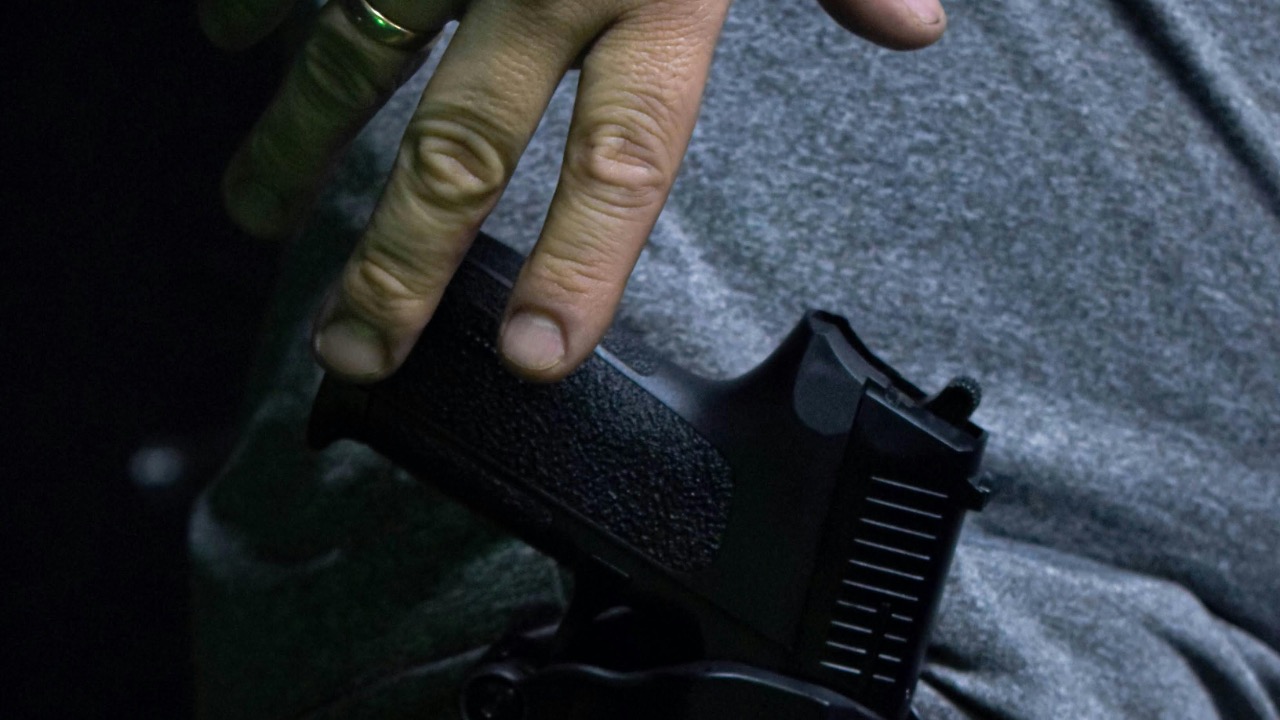
The most dangerous concealed carry mistakes begin in the head, not the holster. A lot of people strap on a pistol for the first time and feel a surge of confidence that is not backed by skill or judgment. Some training programs describe this as the gap between Confidence and Overconfidence, and they warn that when someone starts to believe the gun itself makes them safe, they are more likely to take risks instead of using basic measures like avoiding dangerous areas or leaving early when trouble brews. That quiet shift in attitude happens long before any confrontation, but it shapes every decision once stress hits.
On the other end of the spectrum, some carriers are so anxious about the gun that they hesitate to touch it, train with it, or even admit they might need to use it. Mental coaches talk about Afraid of Your as a common problem, especially for newer shooters who have not yet built trust in their own handling skills. Both extremes, denial and fear, show up in the data on deadly encounters, where instructors point out that Denial has killed more cops than anything else because they refused to believe danger was real until it was too late. If you carry, your first job is to build a mindset that is calm, realistic, and willing to act when the facts demand it.
Training shortcuts that look fine on paper but fail under stress
Once someone decides to carry, the next fork in the road is training. Too many people treat the state minimum as a finish line instead of a starting point. Some states still accept basic hunter education as enough to qualify for a permit, and instructors who see the aftermath argue that You want a course that pushes you to leave class actually prepared, not simply legal. Other coaches have cataloged Common Concealed Carry to avoid them, and one of the recurring themes is people who shoot a qualification once, then never practice regularly again. On the square range, that looks acceptable. Under a car door or in a crowded store aisle, it falls apart.
Gear choices can make this worse. Some carriers pick tiny “pocket rockets” because they are easy to hide, then never put in the reps to master the snappy recoil and short sight radius. Instructors who see this pattern warn that Some people assume that if danger comes, They will rise to the occasion, but a gun they cannot run cleanly under pressure is a liability, not protection. Add in the folks who never practice drawing from concealment, reholstering safely, or shooting from awkward positions, and you have a large group of carriers whose skills are frozen at “permit day” levels. The mistake is not what they do in the fight, it is the months they spent not preparing for it.
Gear, clothing, and “printing” that give you away early
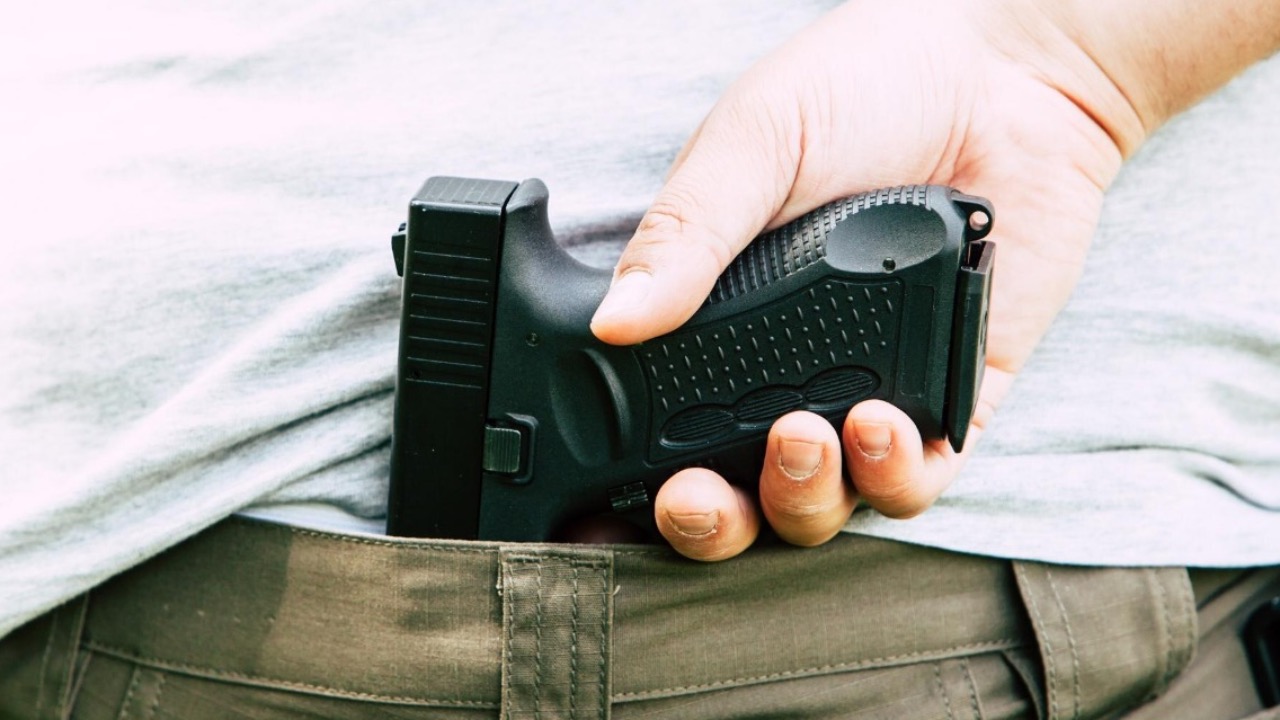
Another category of errors happens in front of a mirror, not in a dark alley. The way you dress and carry can either keep your pistol discreet or broadcast it to anyone paying attention. Trainers use the term “printing” to describe when the outline of the gun shows through clothing, and they warn that Printing is a common issue that will eventually expose your gun at some point. That exposure might be to a nervous store clerk, a curious neighbor, or the very person you hope never notices you are armed. Either way, the tactical advantage of surprise is gone before any threat actually appears.
Clothing choices are a big part of this. Holster makers and instructors alike point out that Wrong Clothing Choices can cause exposure when you bend, reach, or sit, especially with tight shirts or short jackets. They also stress that a carry gun is not a standalone object, it is part of a full system that includes belt, holster, and wardrobe. Other trainers echo that point, noting that Carry Gun Is and that one common mistake is treating the pistol as a separate item instead of integrating it with the rest of your gear for comfort and safety in critical situations. If your setup digs into your ribs, shifts around, or constantly needs adjustment, you will fidget with it, and that nervous tug on the belt line is often the first “tell” a predator notices.
Safety lapses and accidental discharges that start with habits
Accidental discharges almost never happen out of the blue. They are usually the end result of sloppy routines that have been building for months. Insurance and risk specialists who track these incidents point out that Inexperience is a major factor, and that Many accidental firearm discharges occur because people do not have ingrained safety habits. They reholster with a finger near the trigger, they shove a gun into a soft holster that can fold into the trigger guard, or they try to catch a falling pistol instead of letting it hit the floor. None of those actions are decided in the instant; they are the product of how that person has handled guns every day.
Good carriers build consistent safety practices and routines into their lives so that the gun is always treated the same way, whether it is being put on in the morning or taken off at night. Holster makers emphasize that consistent safety practices are part of responsible Carrying, not an optional extra. That means using a holster that fully covers the trigger, avoiding “administrative handling” like constant unloading and reloading, and having a set process for securing the gun in a safe or lockbox when you cannot carry it. When those habits are solid, the odds of a negligent shot in a bedroom, truck, or bathroom stall drop dramatically, and you are far less likely to hurt yourself or someone you care about before a criminal ever enters the picture.
Paperwork, permits, and the legal traps you set for yourself
Plenty of concealed carriers focus on draw speed and split times but ignore the legal side of the equation. That is another mistake that happens long before any confrontation. Some training guides list “Forgetting Your CCW Permit At Home” as one of the classic administrative errors, and they fold it into a broader warning about How To Avoid Of The Most Common Concealed Carry Mistakes, including a full set of 32 issues that can land you on the wrong side of the law. If you are carrying without the required card in your wallet, or if your permit has quietly expired, you may find yourself in handcuffs even if you never touch the gun in anger.
Legal preparation also includes understanding where you can and cannot carry, how your state views “duty to retreat,” and what happens after a defensive shooting. Some instructors urge students to think through those questions in advance, because the worst time to learn about your local prosecutor’s standards is from a jail phone. Others stress that the legal system will scrutinize your decisions before, during, and after the incident, which is why they encourage carriers to avoid bravado and to remember that the goal is to get home safely, not to win an argument. When you treat the law as part of your everyday carry setup, you are less likely to stumble into a situation where you are technically the one breaking the rules before a threat even shows up.
Threat recognition and the quiet moments before violence
Even with solid gear and paperwork, many carriers stumble at the stage where trouble is still “maybe” instead of “definitely.” The ability to read people and environments is a skill in its own right, and it is one that can prevent a gunfight entirely. Threat recognition instructors describe patterns like General nervousness and self-grooming, especially for inexperienced criminals who are about to act. They note that these behaviors happen frequently enough that ignoring them is folly, and that paying attention to them prepares you for an armed robbery or assault before the first word is spoken. If you miss those cues because you are buried in your phone or mentally checked out, you have already given up time and options.
Mindset ties back in here. Some carriers fall into the trap of assuming that because they are armed, they can afford to be less alert. Others, stuck in denial, see the signs but talk themselves out of taking them seriously. Experienced cops and trainers argue that the real advantage of carrying is not the gun itself, but the way it should sharpen your awareness and encourage you to avoid bad spots. When you build the habit of scanning parking lots, watching hands instead of faces, and noticing who is paying attention to you, you often get the chance to change direction, lock your doors, or leave before anyone closes distance. Those quiet choices, made a minute or two before a potential attack, are where many “good outcomes” are born.
Putting it together: carrying as a lifestyle, not a lucky charm
When you zoom out, a pattern emerges. The worst concealed carry failures are not about a single bad draw or missed shot, they are about a lifestyle that treats the gun as a lucky charm instead of a responsibility. Instructors who catalog deadly mistakes keep coming back to the same roots: poor mindset, minimal training, sloppy gear choices, and a refusal to accept that violence can happen to you. Holster makers and trainers who list Avoid Them as part of Carrying responsibly are really talking about building a life where the gun fits into a broader pattern of awareness, restraint, and discipline.
If you carry a handgun, the work starts long before you hear raised voices in a parking lot. It starts when you decide whether to sign up for a serious class instead of the cheapest permit mill, when you choose a holster that lets you move naturally without printing, when you commit to dry fire and live fire that mimic real-world conditions, and when you build routines that keep your finger off the trigger and your permit up to date. The payoff for that quiet, unglamorous effort is not just surviving a worst-case scenario. It is moving through the world with the kind of calm, informed confidence that makes you less likely to need the gun at all.

Asher was raised in the woods and on the water, and it shows. He’s logged more hours behind a rifle and under a heavy pack than most men twice his age.