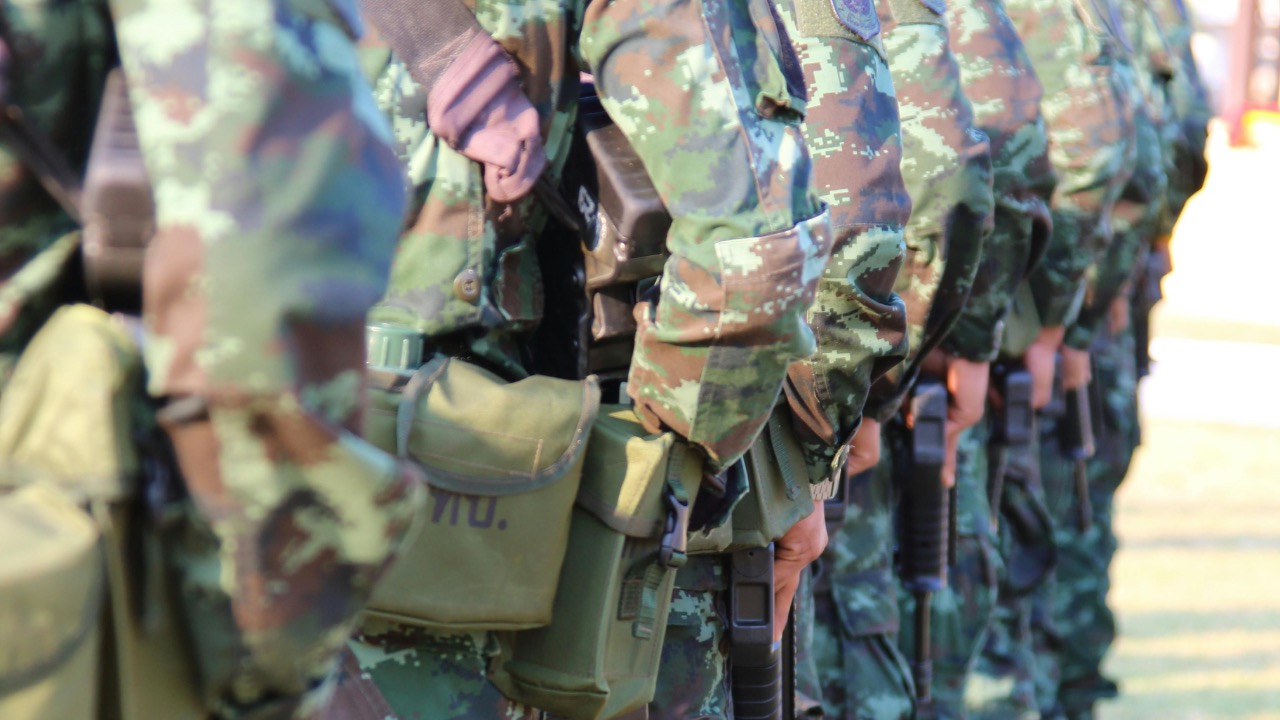
Automatic Registration for U.S. Military Draft to Begin in December
The United States is preparing to change how it tracks potential military conscripts, moving from a system that relies on young men to sign themselves up to one that will register them automatically. Beginning in December, draft-eligible men will be added to the Selective Service rolls through existing government data, a shift written into the 2026 National Defense Authorization Act.
The move does not restart conscription or signal an imminent draft, but it does reshape how the government would mobilize manpower in a national emergency. It also raises fresh questions about fairness, privacy, and who carries the legal burden if a future conflict requires compulsory service.
What happened

Congress approved a provision in the 2026 National Defense Authorization Act that directs the Selective Service System to create automatic draft registration for eligible men. Under the new rules, federal agencies that already collect personal information, such as the Social Security Administration and state motor vehicle offices, will share data so that men who meet the age and citizenship criteria are enrolled without filing a separate form. The Selective Service System has said the change is scheduled to take effect in December, after technical and regulatory preparations are complete, according to defense officials.
The reform replaces the decades-old expectation that men register themselves within 30 days of turning 18. Under the current system, failure to register can lead to criminal penalties on paper and, more commonly, to lost access to federal student loans and some government jobs. Lawmakers argued that automatic enrollment will sharply reduce the number of people who fall out of compliance simply because they do not realize they must sign up, a point highlighted in recent explanations of the policy.
The new law keeps the core structure of the draft system intact. Only men are covered, and the standard age band of 18 through 25 remains. Reports on the change emphasize that the Pentagon still relies on an all-volunteer force and that any move to conscription would require a separate act of Congress and a presidential signature, as described in coverage of current draft law.
Supporters in Congress framed the measure as a modernization and a way to save administrative costs. Automatic registration will allow the Selective Service System to rely less on outreach campaigns in high schools and public events, and more on digital data transfers that keep the database current with far less manual work. Reporting on the legislative language in the defense authorization bill notes that lawmakers also saw the shift as a way to improve national readiness without expanding the pool of people who could be drafted.
Why it matters
Automatic registration changes the default. Instead of having to take an affirmative step at 18, eligible men will be in the system unless they fall into one of the limited exemption categories already defined in law. That adjustment is likely to increase compliance rates well beyond the current levels, which various analysts have described as incomplete, particularly among young men who move often or who are disconnected from college or formal employment. A more complete registry gives the government a clearer picture of how many people could be called in a crisis, according to national security specialists cited in recent assessments.
The change also shifts how risk is distributed. Under the old model, a man who missed registration, whether by ignorance or intent, faced potential legal and financial consequences. Critics have long argued that those penalties fell hardest on poorer communities, immigrants, and people of color, who were more likely to miss the paperwork and more likely to rely on federal education aid. Automatic enrollment removes that particular tripwire. Legal experts quoted in policy analyses note that the reform could effectively end most prosecutions and benefit denials tied to nonregistration, since far fewer people will fall outside the system.
At the same time, the new approach raises privacy and civil liberties concerns. Automatic registration depends on data sharing among agencies that hold sensitive personal information, including Social Security numbers, addresses, and immigration status. Advocates who focus on surveillance and data security warn that centralizing these records in a single conscription database could create new vulnerabilities, especially if cybersecurity protections lag behind. Commentators quoted in public briefings have questioned how transparent the government will be about which data sources feed the registry and how long that information is stored.
The reform also sharpens an ongoing debate over gender equity in military obligations. The law still applies only to men, even though women now serve in combat roles across the armed forces. The continued exclusion of women from draft registration has been challenged in court and criticized by advocacy groups that argue equal rights should come with equal responsibilities. Coverage examining who is affected by the new policy notes that the automatic system will not change that line, at least for now.
For individuals, the stakes are both practical and symbolic. On a practical level, a young man might never touch a Selective Service form again, yet still be fully compliant and eligible for federal benefits. Symbolically, the shift signals that the government is willing to move deeper into automatic enrollment for core civic obligations, using administrative data to stand in for explicit consent. Analysts who track civil-military relations argue that such automation can widen the gap between those who serve and the broader public if it makes the machinery of mobilization feel more distant and opaque.
What to watch next
The first test will be technical. The Selective Service System and partner agencies must link their databases in a way that correctly identifies every eligible man without sweeping in those who are exempt or outside the age range. Implementation details described in agency planning documents suggest that the rollout will happen in phases, with some state systems connecting before others. Early glitches could create duplicate records or omit people who should be registered, which would complicate any future mobilization and invite legal challenges.
Legal and political fights are also likely to continue. Civil liberties groups have already signaled that they may challenge the breadth of data sharing, while some lawmakers want to revisit the question of whether women should be included. Analysts quoted in recent coverage expect renewed debate in Congress over whether a gender-restricted draft can survive further court scrutiny, especially now that the registration system is being actively updated.
Another open question is how the military itself views the registry. The armed forces have struggled with recruiting targets in some recent years, yet senior commanders have repeatedly said they prefer volunteers to conscripts. Reporting on internal Pentagon discussions, summarized in national security coverage, indicates that planners see automatic registration less as a step toward an active draft and more as a hedge against low-probability, high-impact crises that could overwhelm the volunteer force.
Public understanding will shape how the policy lands. If young people and their families interpret automatic registration as the quiet return of conscription, the change could inflame distrust and feed misinformation. Outreach efforts described in community briefings focus on explaining that no one is being drafted and that the law only affects how names are collected. Whether that message sticks will become clearer as December approaches and the first automatically registered cohorts reach 18.
Finally, observers will watch how the new system performs in specific communities. Analysts have pointed to rural areas, immigrant neighborhoods, and regions with limited internet access as places where self-registration had lagged. If automatic enrollment produces more even coverage across geography and class, it could ease longstanding complaints that the draft system is both incomplete and unequal, an argument raised in equity focused analyses. On the other hand, if data gaps or documentation issues still leave some groups underrepresented, the reform could simply mask old disparities behind a more high-tech veneer.

Leo’s been tracking game and tuning gear since he could stand upright. He’s sharp, driven, and knows how to keep things running when conditions turn.