Oil tanker reportedly docks in Cuba amid ongoing U.S. sanctions
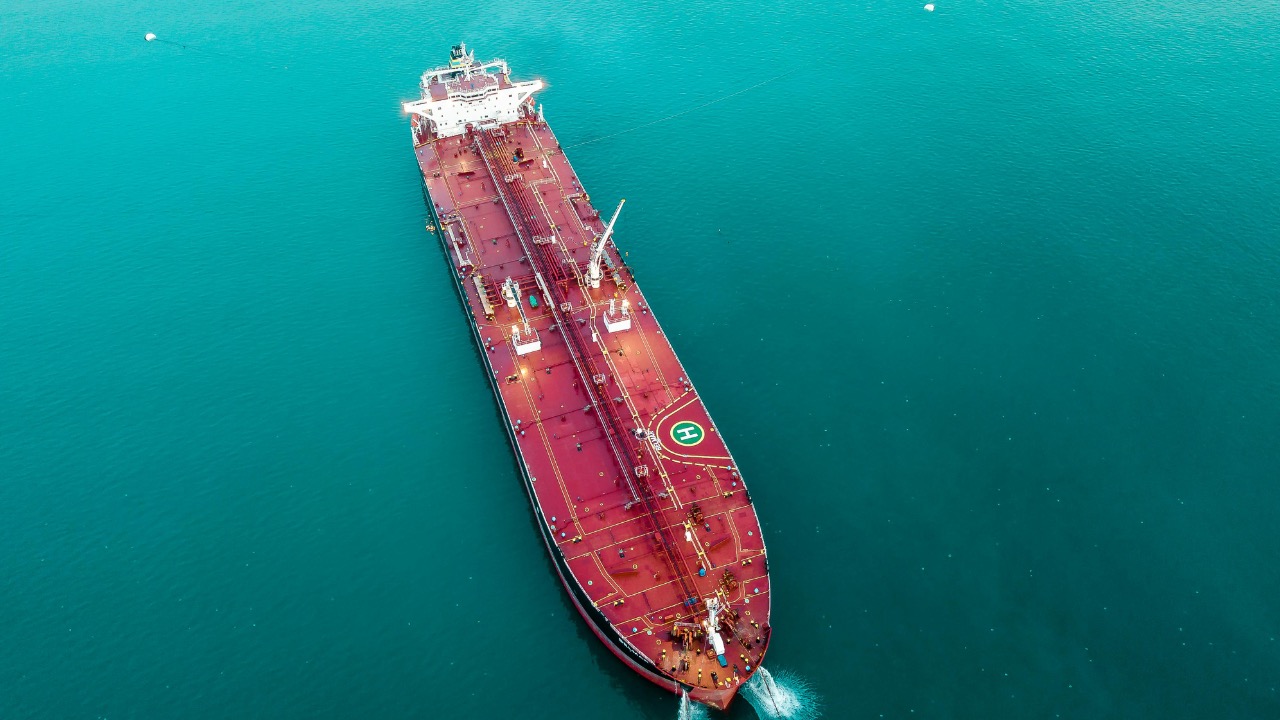
An oil tanker reportedly slipping into a Cuban port despite intensified U.S. sanctions has become a vivid symbol of a larger confrontation over energy, sovereignty and humanitarian need. The arrival, described as a rare success in securing fuel, comes as Washington tightens financial and maritime pressure on suppliers that keep Cuba’s lights on and its transport system moving. For Cubans already living with blackouts, fuel queues and grounded flights, the episode underscores how every shipload of oil can shift daily life.
The docking also unfolds amid a fast‑moving policy campaign in Washington that treats oil deliveries as leverage to force political change in Havana. As the United States pairs a formal national emergency with new tariff tools and more assertive maritime enforcement, Cuba and its partners are testing how far they can go to keep fuel flowing without triggering direct confrontation.
The tanker that made it through
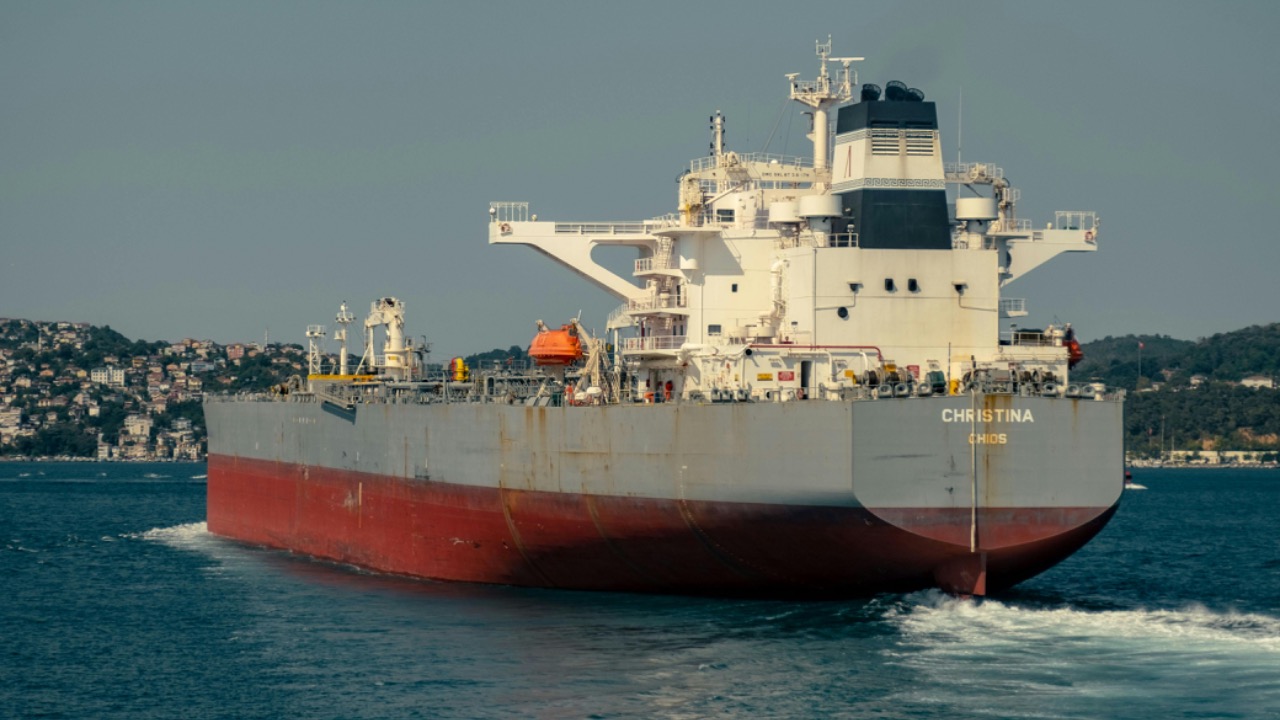
Reports from shipping trackers and local observers describe a loaded oil tanker reaching a Cuban terminal despite the U.S. effort to cut off maritime fuel flows. One account identifies the vessel as flying the flag of St. Vincent and the Grenadines and notes that it appeared only partially loaded when it arrived, suggesting a cautious routing and possible transshipment pattern designed to reduce exposure to interception. The ship’s presence in port, at a moment when Cuba is scrambling for every barrel, has been framed domestically as a modest but politically charged success in evading what Havana calls an oil “siege,” even as the exact volume and origin of the cargo remain publicly unverified.
The tanker’s arrival stands out because it follows a separate incident in which a U.S. Coast Guard unit reportedly intercepted another vessel that was bound for Cuba with a “vital fuel supply.” That earlier case, described in detail by maritime specialists, involved a Report: USCG Cutter, and highlighted how U.S. Coast Guard and Navy assets are now central players in the enforcement of economic sanctions in the Caribbean. Against that backdrop, any tanker that actually docks in Cuba becomes more than a commercial event, turning instead into a test case of how much control Washington can exert over third‑country shipping and how far foreign operators are willing to go in defiance of that pressure.
Sanctions, national emergency and tariff pressure
The maritime drama around Cuban ports is rooted in a broader legal and economic offensive launched earlier this year in Washington. President Donald Trump, according to one legal analysis, signed an executive order on January 29 that declared a national emergency related to Cuba and explicitly targeted countries and companies that supply oil to the island. The measure, described as opening the door to new tariffs and financial penalties, aims to “restore democracy to Cuba” by raising the cost of doing business with the Cuban government for any foreign partner that continues to ship fuel, as summarized in a Highlights briefing.
A separate advisory explains that the administration followed up by announcing a tariff framework that can be applied to specific oil suppliers, deepening the squeeze on Cuba’s main energy lifelines. That document, which lays out how the United States Declares National Emergency and structures penalties, makes clear that the goal is not only to restrict direct U.S. trade, but to discourage third‑country tankers and insurers from touching Cuban‑bound cargoes at all. In practice, that has turned routine commercial shipments into high‑risk operations, with vessels facing the possibility of asset freezes, loss of insurance cover and interdiction at sea if they are deemed to be part of Havana’s fuel supply chain.
A country running out of fuel
The impact of this pressure campaign is visible across Cuba’s economy and streets. Analysts describe a “2026 Cuban crisis” defined as an oil shortage and economic emergency in which the island, heavily dependent on imported crude and refined products, struggles to secure enough supply to keep power plants, transport and industry functioning. The Cuban crisis entry portrays a scenario where fuel stocks are measured in days or weeks rather than months, leaving the government with few options beyond rationing and rolling blackouts.
First‑hand reporting from Havana and other cities shows how that macroeconomic shock translates into daily hardship. One detailed narrative describes how, against an already fragile baseline, the near halt of oil imports has left Cuba “out of oil and in pain,” with long lines for public transport, shuttered factories and hospitals forced to rely on backup generators that themselves struggle to secure diesel. That account, which characterizes the situation as a humanitarian emergency, notes that the country’s energy reserves are now counted in the short term, with officials warning that without new shipments the outlook is measured in days and weeks, not months.
Blackouts, grounded planes and postponed events
Cubans have been living with the consequences of this fuel crunch for months, and the tightening U.S. measures have intensified that strain. One detailed explainer describes how the U.S. oil blockade has produced chronic blackouts, food shortages and transport chaos for the island’s 11 million people, as power plants struggle to run and distribution networks falter. That report links the energy shortfall directly to a strategy in Washington that seeks to “strangle” the economy in Havana, portraying the How US blockade affects everything from supermarket shelves to hospital supplies. A fire at a key oil refinery in Havana has compounded the problem, with another account describing how the blaze deepened the fuel crisis just as authorities were already rationing gasoline and diesel, leaving emergency crews scrambling to bring the situation under control in the capital of Cuba.
The shortages have also disrupted aviation and tourism, two sectors that generate vital foreign currency. Video shared on social media under the caption “Cuba Ran Out of Jet Fuel” shows passengers disembarking from an aircraft because there was no fuel available to continue flying, with the clip warning that “the fuel has run out” and that Cuba is “on the brink.” The short reel, which features stranded Passengers at an airport, has become a visual shorthand for a wider collapse in normal mobility. On the ground, drivers in Havana and other cities face months‑long waits for gasoline, with one report describing queues that last for days and noting that the government has even postponed its annual cigar fair as a U.S. oil embargo causes fuel shortages and blackouts. That disruption is reflected in coverage of how Cuba postpones annual and in accounts of Cuban drivers who now treat a full tank as a rare luxury.
Humanitarian aid, regional politics and what comes next
As the United States tightens its grip, other countries in the region have moved to support Cuba, sometimes directly challenging Washington’s approach. Earlier this month, two Mexican Navy Ships Laden With Humanitarian Aid Dock in Cuba as US Blockade Sparks Energy Crisis, carrying foodstuffs and other essentials to help cushion the blow of the oil shortage. Images from the port show Felix Jose Morfi standing by his bicycle taxi, a reminder of how ordinary Cubans rely on improvised transport as fuel for buses and private cars disappears. The aid mission, which delivered cargo such as powdered milk, was framed by its organizers as a humanitarian gesture and by critics of U.S. policy as evidence that the Mexican Navy Ships in open defiance of Washington’s blockade.

Leo’s been tracking game and tuning gear since he could stand upright. He’s sharp, driven, and knows how to keep things running when conditions turn.