The 20 Most Dangerous Trees in America That Could Crush Your House Tomorrow
Trees add beauty, shade, and value to neighborhoods — but not all trees handle storms, wind, and age the same way. Across the United States, arborists often point out certain species that are more likely to lose large limbs, uproot, or damage nearby structures under the right conditions.
Here are 20 trees that are commonly associated with higher property risk when storms hit or when they’re poorly maintained.
1. Weeping Willow
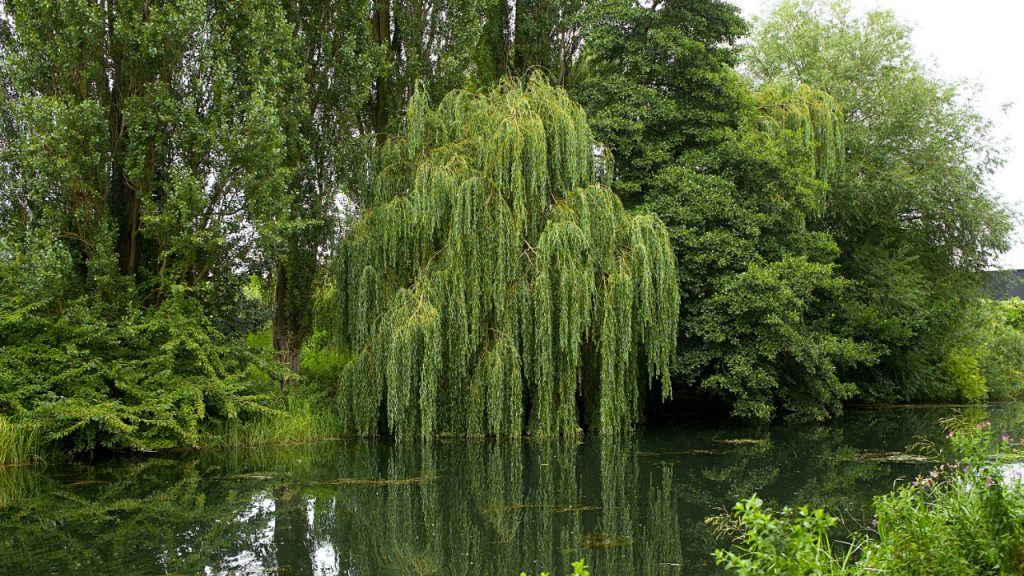
Weeping Willow has aggressive roots that can damage pipes and foundations, and branches that break easily in wind.
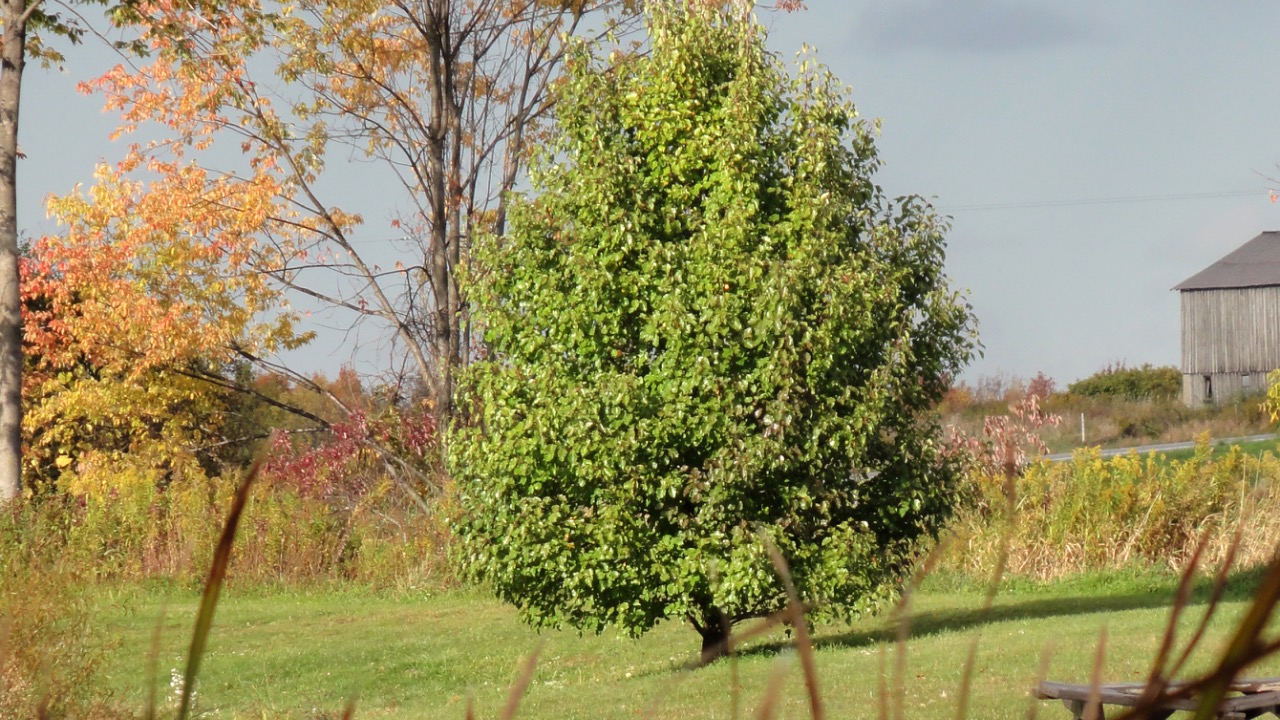
2. Bradford Pear
Bradford Pear Tree is popular in landscaping, but its branch structure makes it prone to splitting as it matures.
3. Lombardy Poplar
Lombardy Poplar grows quickly and tall, but has a short lifespan and weak branching structure.
4. Silver Maple
Silver Maple trees grow fast, but their wood is relatively weak compared to other hardwoods. Large limbs are known to break during storms.
5. Cottonwood
Cottonwood Tree is known for fast growth and brittle wood that can shed large limbs.
6. Boxelder
Boxelder Tree is often considered structurally weak and prone to storm damage.
7. Siberian Elm
Siberian Elm is hardy but develops weak branch unions that can fail in high winds.
8. Eucalyptus (in some regions)
Eucalyptus Tree can shed large branches, especially during drought or wind events.
9. Chinaberry
Chinaberry Tree is brittle and considered invasive in parts of the U.S., with a tendency to break.
10. Black Locust (older trees)
Black Locust Tree is strong when young, but older trees can become brittle and hollow.
11. Ash Trees (diseased)
Ash Tree weakened by pests like the emerald ash borer are especially prone to failure.
12. Pine (certain species in storms)
Pine Tree can be vulnerable when soil is saturated or winds are strong due to shallow roots.
13. Sycamore
American Sycamore can shed large limbs, especially in older or hollow trees.
14. Poplar hybrids
Poplar Tree hybrids grow fast but are structurally weaker than slower-growing hardwoods.
15. Bradford Pear alternatives (Callery pear types)
Callery Pear Tree share similar weak branch structure issues.
16. Hackberry
Hackberry Tree can develop decay internally while appearing healthy externally.
17. Red Maple (older specimens)
Red Maple Tree is common but can be vulnerable to limb failure in storms.
18. Sweetgum
Sweetgum Tree produces strong roots but can drop heavy limbs under stress.
19. Boxwood (large, neglected hedges)
Boxwood Shrub can become structurally unstable when overgrown.
20. Dead or dying trees (any species)
Any tree that is diseased, hollow, or dead — regardless of species — poses the highest risk during storms.
Why Some Trees Cause More Problems Than Others
The biggest factors aren’t just the species — they’re structure, age, and health. Fast-growing trees often have weaker wood, while older trees can develop internal decay that isn’t visible from the outside.
So even “safe” trees can become dangerous if they’re not maintained properly.
The Real Risk Most People Miss
Most tree-related property damage doesn’t come from healthy trees in calm weather — it happens during storms when wind, rain, and soil conditions all line up at once.
That’s why arborists usually recommend regular inspections instead of focusing only on species.

Leo’s been tracking game and tuning gear since he could stand upright. He’s sharp, driven, and knows how to keep things running when conditions turn.