North America’s Most Overhunted Game Birds
Some game birds don’t struggle because they’re fragile. They struggle because pressure never lets up. Long seasons, liberal limits, shrinking habitat, and efficient modern gear all stack the odds against species that once seemed untouchable. Overhunted doesn’t always mean “about to disappear,” but it does mean birds that absorb more pressure than their populations can comfortably handle year after year.
These are North American game birds that have carried heavy hunting pressure for decades. In many cases, management has helped prevent collapse, but the margin is thinner than most hunters realize.
Northern Bobwhite

Bobwhite quail are the textbook example of a bird that suffered from too much pressure layered onto habitat loss. Hunting alone didn’t cause their decline, but it didn’t help either.
Bobwhites rely on specific early-succession habitat that’s largely vanished. When birds are already struggling to reproduce, even modest harvest rates matter. In many states, seasons remain open largely out of tradition. Populations persist, but often at a fraction of historic numbers. Where quail still exist, pressure concentrates heavily, making recovery slow and fragile.
Greater Prairie-Chicken
Prairie chickens once covered enormous portions of the Midwest. Today, they survive in scattered strongholds under intense scrutiny.
Modern hunting pressure is often tightly regulated, but historically heavy harvest combined with habitat conversion hit them hard. Even limited modern seasons can have outsized impact because populations are localized. Birds don’t have the buffer they once did. Prairie chickens aren’t hunted everywhere anymore, which itself tells the story. Where they remain, every bird matters.
Scaled Quail
Scaled quail live in harsh country and rely on rainfall-driven boom-and-bust cycles. That variability makes them especially vulnerable to pressure in dry years.
In good years, populations explode and hunting feels sustainable. In bad years, harvest pressure often doesn’t scale back quickly enough. Hunters return to familiar spots even when numbers are down. The result is localized overharvest that slows rebound. Scaled quail can handle pressure when conditions cooperate. When they don’t, recovery takes time.
Ruffed Grouse
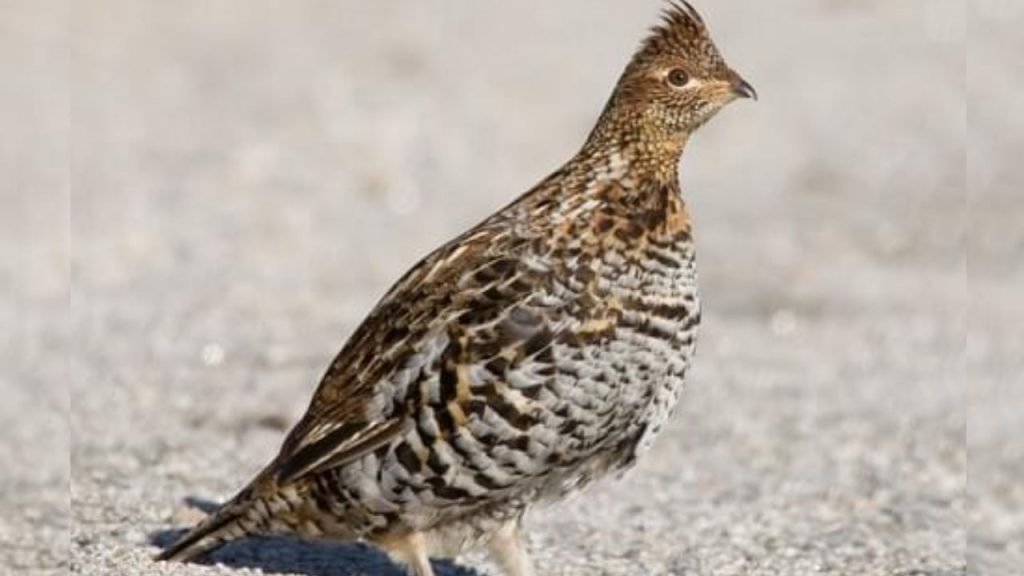
Ruffed grouse are widely hunted and deeply ingrained in North American hunting culture. That popularity creates constant pressure.
Grouse populations cycle naturally, but modern forests often lack the young growth stages they depend on. When habitat quality drops, hunting pressure becomes more noticeable. Birds get pushed harder, farther, and earlier in the season. Many states have shortened seasons or reduced limits, a quiet acknowledgment that populations aren’t what they used to be.
American Woodcock
Woodcock are heavily hunted relative to their size and visibility. Migration funnels birds into predictable cover, concentrating pressure.
Habitat loss is the primary driver of decline, but hunting pressure stacks on top of that vulnerability. Short seasons and conservative limits help, but localized overharvest can still occur, especially during migration peaks. Woodcock populations are monitored closely for a reason. They don’t absorb pressure as easily as many upland hunters assume.
Ring-necked Pheasant
Pheasants aren’t native, but they’re among the most hunted birds in North America. In high-pressure states, wild birds can be hammered hard.
Stocking masks the issue in some regions, creating the illusion of abundance. Wild populations tell a different story. Habitat loss, harsh winters, and intense hunting pressure combine to limit recovery. In places without stocking, seasons have tightened significantly. Pheasants persist largely because management props them up, not because they’re immune to pressure.
Plains Sharp-tailed Grouse

Sharp-tailed grouse inhabit open country where birds are visible and accessible, which increases effective hunting pressure.
Like prairie chickens, they depend on intact grassland. As habitat fragments, birds concentrate into smaller areas, making them easier to overhunt. Modern seasons are often limited and carefully managed, but historical pressure left lasting scars. Where sharptails remain huntable, regulations are usually conservative for a reason.
Overhunted doesn’t always mean doomed, but it does mean vulnerable. These birds survive today because of management, restraint, and habitat work, not because they can absorb endless pressure. The future of upland hunting depends on recognizing when tradition needs to give way to reality, and when letting birds recover is the most ethical choice a hunter can make.

Leo’s been tracking game and tuning gear since he could stand upright. He’s sharp, driven, and knows how to keep things running when conditions turn.