Rare fatal mountain lion attack in Colorado marks first in state in over 25 years
When news of a fatal mountain lion encounter reaches you from the trails of northern Colorado, it carries a weight that lingers. The event happened on New Year’s Day 2026 along a remote stretch of the Crosier Mountain Trail south of Glen Haven in Larimer County. A solo hiker lost her life in circumstances that wildlife officials later confirmed as a mountain lion attack. This marks the first such fatality in the state since 1999. In a region where people regularly share space with large predators, the incident reminds everyone how thin the line can feel between adventure and risk. Colorado Parks and Wildlife moved quickly to investigate, and what they found underscored both the tragedy and the rarity of these moments.
You step into the mountains expecting fresh air and open views, yet this case shows how quickly conditions can shift. The details paint a picture of an ordinary outing that ended in an extraordinary outcome. Officials pieced together the sequence through physical evidence and witness accounts from others on the trail that same day. Their work brought clarity without sensationalism, focusing instead on facts that help everyone understand the broader picture of living near wild spaces.
What unfolded along the Crosier Mountain Trail
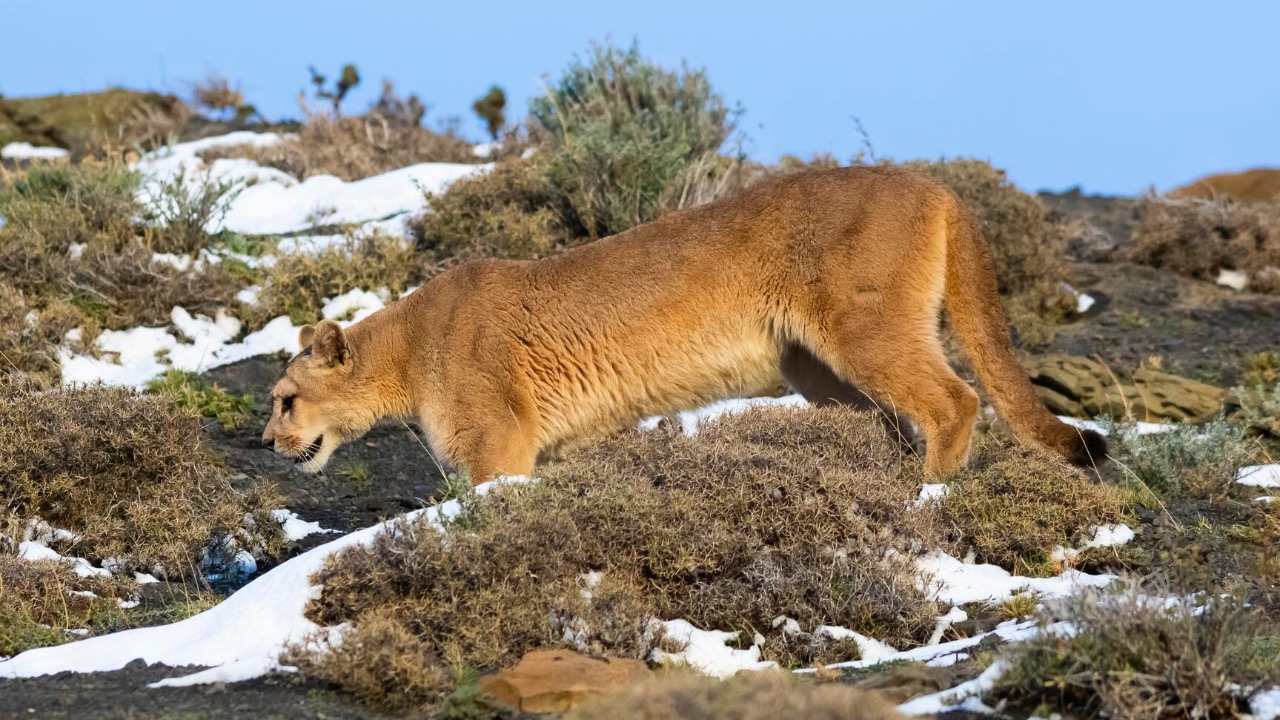
Two hikers came across the scene just before noon on January 1, 2026. They spotted a mountain lion close to a woman’s body and acted fast by throwing rocks to drive the animal away. One of them, a physician, checked for signs of life but found none. The woman had been hiking alone on the remote section of the trail in a national forest area known for its rugged terrain and occasional wildlife activity.
Authorities transported her remains to safety at the Glen Haven Fire Station while they secured the location. The trail sits northeast of Estes Park, where mountain lions roam as part of their natural range. Early reports noted the presence of more than one big cat nearby, which raised immediate concerns for public safety in the surrounding woods.
The woman at the center of the story
Kristen Marie Kovatch, 46, called Fort Collins home and had ties to Texas. She set out that day for what seemed like a standard hike, drawn to the quiet beauty of the area’s public lands. Family members later shared that she passed away while doing something she cared about deeply.
Her death brought a personal dimension to the headlines. People who knew her described a life connected to the outdoors, and the loss rippled through the local community. In places where residents and visitors cross paths with nature every day, stories like hers highlight the human side of wildlife encounters that rarely make the news.
How officials confirmed the cause
Larimer County Coroner’s Office conducted a full forensic autopsy on January 5, 2026. Dr. J. White determined the injuries matched those from a mountain lion attack. The cause of death was listed as asphyxia due to external neck compression, and the manner was ruled an accident.
Further testing revealed human DNA on all four paws of a young male mountain lion recovered from the area. That evidence tied the animal directly to the event. Necropsies on the lions helped rule out other factors, and the process stayed grounded in science rather than speculation. The findings left no doubt about what had taken place on the trail.
The response from wildlife authorities
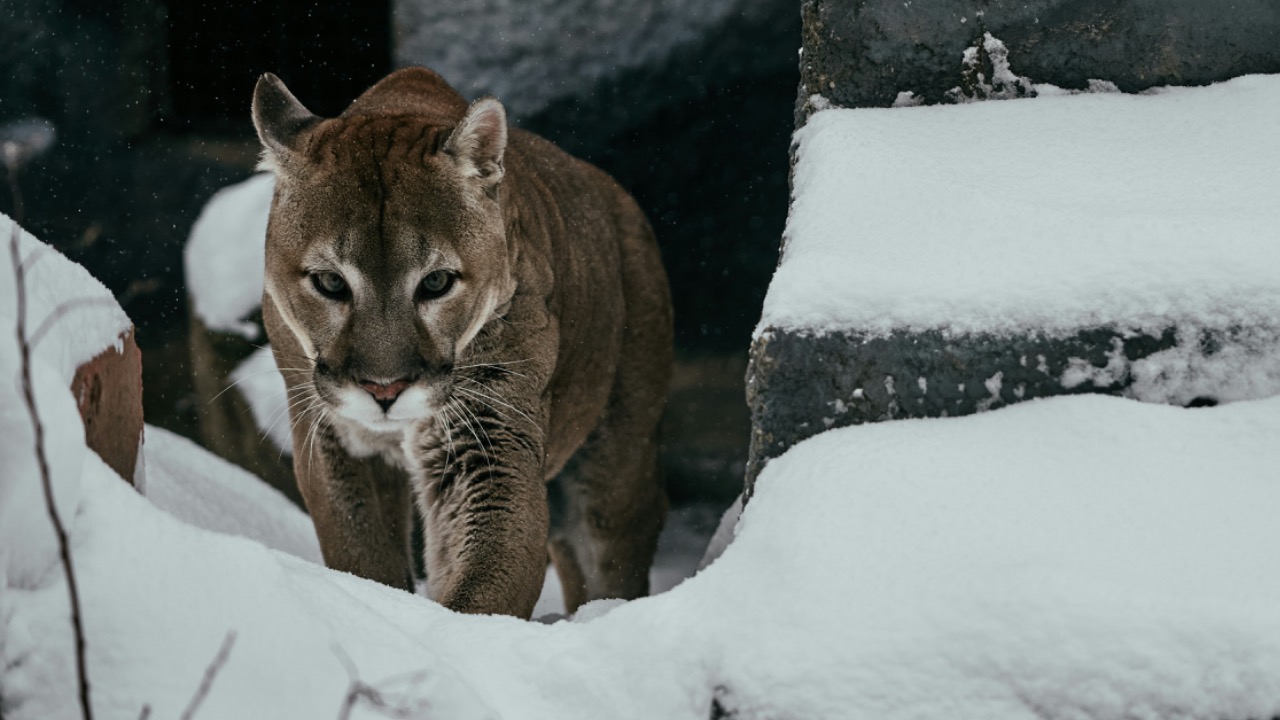
Colorado Parks and Wildlife officers euthanized two mountain lions near the site. One was a one-year-old male carrying the human DNA evidence. The other was a one-year-old female found in close proximity. A search for a possible third cat continued for more than 72 hours before it was called off when no fresh signs appeared.
Mark Leslie, the agency’s Northeast Region manager, noted that the animals’ presence together made coincidence unlikely. He described the decision as necessary for public safety, even though it was not taken lightly. The agency later reopened the Crosier Mountain Trail with new permanent signs warning of lion activity in the area.
Colorado’s history with mountain lion encounters
The state has logged 28 mountain lion attacks on people since 1990. Most ended without serious injury, and fatal outcomes have been exceptionally uncommon. The previous confirmed fatality occurred in 1999 when a three-year-old boy disappeared in the Arapaho and Roosevelt National Forest.
That earlier case stayed in the public memory for years, partly because remains were not recovered until much later. Before and after it, Colorado wildlife managers have tracked sightings and interactions across the Front Range and into the high country. The pattern shows these big cats generally avoid people, but the records provide a baseline for understanding when things go differently.
Why these attacks happen so infrequently
Mountain lions thrive across Colorado, yet they tend to steer clear of humans under normal conditions. The animals hunt deer and smaller prey, and they rely on stealth rather than direct confrontation with anything larger. Officials point out that the state’s six million residents share the landscape with thousands of lions, and the odds of a serious encounter remain low.
Recent activity in the Glen Haven area included a handful of sightings and livestock incidents in the months leading up to the event. Those reports helped officials map local behavior without predicting this specific outcome. The overall data continues to show that fatal attacks represent an extreme outlier rather than a trend.
The choices made after the incident
Euthanizing the lions followed agency policy when an animal has caused a human death. Wildlife managers emphasize that the step protects both people and the broader population by removing individuals that have learned to associate humans with vulnerability.
In this case, the family group dynamic suggested the animals may have been traveling together. Officers weighed the evidence at the scene and acted to prevent any further risk along popular trails. The process reflected a balance between respecting the natural order and prioritizing safety for everyone who uses the backcountry.
What it means for time spent outdoors
When you head into Colorado’s mountains, the possibility of crossing paths with a mountain lion exists but stays small. Agencies recommend traveling in groups, keeping dogs leashed, and staying aware of your surroundings. Making noise on the trail and avoiding dawn or dusk hours can add another layer of caution.
The reopening of the Crosier Mountain Trail with updated signage serves as a practical reminder. Hikers now see those markers and adjust their expectations accordingly. The landscape has not changed, but the shared knowledge from this event encourages everyone to approach it with a bit more respect for the wild residents that were there long before us.
Looking ahead in shared wild spaces
Incidents like this one prompt conversations about how people and predators coexist across the West. Colorado Parks and Wildlife continues to monitor populations and educate the public through straightforward guidance rather than alarm. The goal remains the same: enjoy the trails while recognizing that nature operates on its own terms.
Family and friends of the victim have asked that her memory stay tied to the love of hiking she carried with her. In the end, the event leaves you thinking about the balance we all strike when we choose to explore these places. The mountains keep their rhythms, and we keep learning how to move through them safely.

Asher was raised in the woods and on the water, and it shows. He’s logged more hours behind a rifle and under a heavy pack than most men twice his age.