Overlooked Live Baits That Anglers May Find Effective
You can walk into any bait shop in the country and see the same lineup—nightcrawlers, shiners, maybe a bucket of minnows bubbling in the corner. They all catch fish. No argument there. But if you’ve been on the water long enough, you know fish don’t read the script.
Some of the best days come when you throw something different at them. Not fancy. Not complicated. Just something they don’t see every weekend. A lot of overlooked live baits are either too easy to find, too messy to deal with, or flat-out ignored. That’s a mistake. Here are a few that deserve a spot in your rotation.
Grasshoppers Get Ignored Until Summer Fish Key In
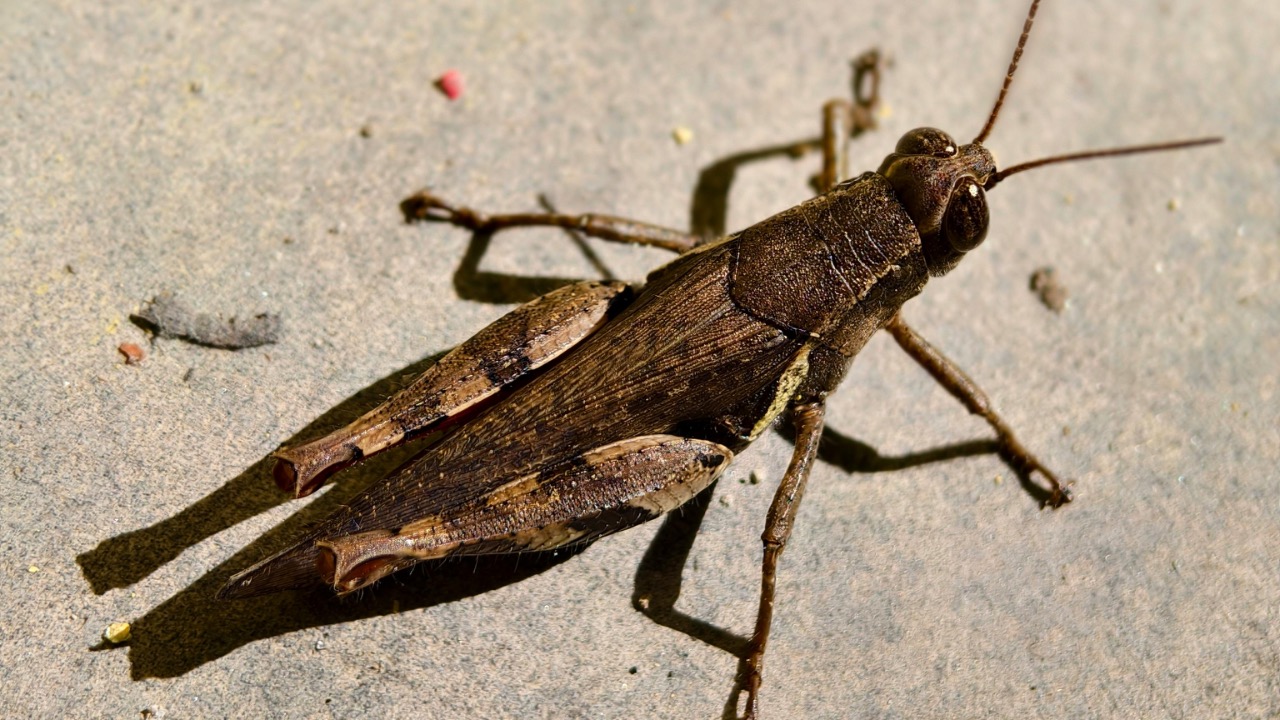
You don’t see many anglers carrying a coffee can of grasshoppers anymore, and that’s a shame. When summer heat sets in and banks dry out, these bugs end up in the water whether you’re there or not.
Fish know what they are. Bass, bluegill, and even trout will rise on them without hesitation. You can free-line one along the edge or drift it under a small float. The erratic kicking does the work for you. It’s not a bait you think about in spring, but once the fields start buzzing, it’s hard to beat.
Crayfish Are Natural but Underused by Casual Anglers
Crayfish show up in just about every freshwater system, yet plenty of anglers overlook them in favor of easier options. That’s leaving fish on the table, especially if you’re targeting smallmouth or river largemouth.
Hook them through the tail or behind the carapace and let them stay close to the bottom. That’s where fish expect to find them. They’ll kick, settle, and try to hide—exactly what triggers a strike. You’re matching what fish already eat every day, not introducing something new.
Hellgrammites Are Ugly and Highly Effective
Most folks don’t want to handle a hellgrammite, and that’s probably why they don’t get used much. They’re all legs and attitude, and they’ll pinch if you’re careless.
Fish don’t mind any of that. In moving water, especially, they’re a known food source. Smallmouth bass, trout, and even catfish will take them readily. Hook them through the collar and drift them naturally. They hold on the bottom and look alive without much effort. If you’re fishing rivers and not using them, you’re skipping a proven option.
Leeches Still Produce When Other Baits Slow Down
Leeches aren’t talked about much outside of walleye circles, but they work across a wide range of species. They stay lively on the hook and don’t die off as quickly as some softer baits.
You can fish them under a float, on a jig, or even on a plain hook with a split shot. They move in a steady, pulsing way that fish key on, especially in warmer water. When minnows get ignored or torn up, a leech often keeps producing. It’s a steady performer that doesn’t get the attention it deserves.
Salamanders Can Trigger Aggressive Strikes
In certain waters, salamanders and water dogs are part of the food chain, especially in the South. They don’t show up in bait shops everywhere, which is one reason they get overlooked.
Bass in particular react hard to them. There’s some thought that they resemble nest predators, which flips a switch during spawning periods. Hook them carefully and fish them slow near cover. You won’t get a ton of bites, but the ones you do get tend to mean business.
Cut Bait Isn’t Only for Catfish
Most anglers think of cut bait and go straight to catfish. That’s fair, but it’s not the whole picture. Strips of fresh-cut fish will draw strikes from species you might not expect.
Pike, walleye, and even big bass will take a well-placed piece of cut bait, especially in stained water where scent matters more. Use fresh pieces and keep them moving slightly with current or a light drift. It’s not flashy, but it puts out a strong signal that travels farther than most live offerings.
Waxworms Shine When Fish Get Finicky
Waxworms are often treated like a backup plan for panfish, but they’ve got more range than that. When fish get pressured or conditions turn tough, smaller, subtle baits start to matter.
They’re easy to rig and stay on the hook better than you’d expect. Bluegill, crappie, and even trout will take them when larger baits get ignored. Fish them light, keep your presentation clean, and let the bait do its job. They don’t look like much, but they produce when things get tight.
Frogs Work Beyond Topwater Lures
When people think frogs, they think hollow-body topwater lures. Live frogs don’t get nearly the same attention, even in places where they’re legal to use.
Around heavy cover, a live frog can pull strikes that are hard to get otherwise. Bass know exactly what they are. Hook them in a way that keeps them moving and fish them near vegetation, logs, or shoreline edges. It’s a situational bait, but in the right conditions, it can draw explosive results.
You don’t need to abandon the standards. Nightcrawlers and minnows have earned their place. But if you’re willing to mix in a few of these overlooked options, you’ll find yourself getting bites when others aren’t. Sometimes the difference isn’t skill or location—it’s giving fish something they don’t see every day.

Asher was raised in the woods and on the water, and it shows. He’s logged more hours behind a rifle and under a heavy pack than most men twice his age.