Reports of China-Iran Arms Cooperation Raise Concerns in U.S. Intelligence
Recent reports from American intelligence circles have drawn fresh attention to the deepening ties between China and Iran. These assessments point to possible weapons transfers at a moment when the Middle East remains on edge after a recent stretch of open conflict. Officials in Washington see the moves as more than routine cooperation. They view them as a direct challenge to the fragile balance that has emerged since fighting between Iran, the United States, and Israel tapered off just days ago. The details remain classified in many respects, yet the outlines have already sparked serious debate inside the Beltway and beyond.
Intelligence reports highlight potential arms transfers
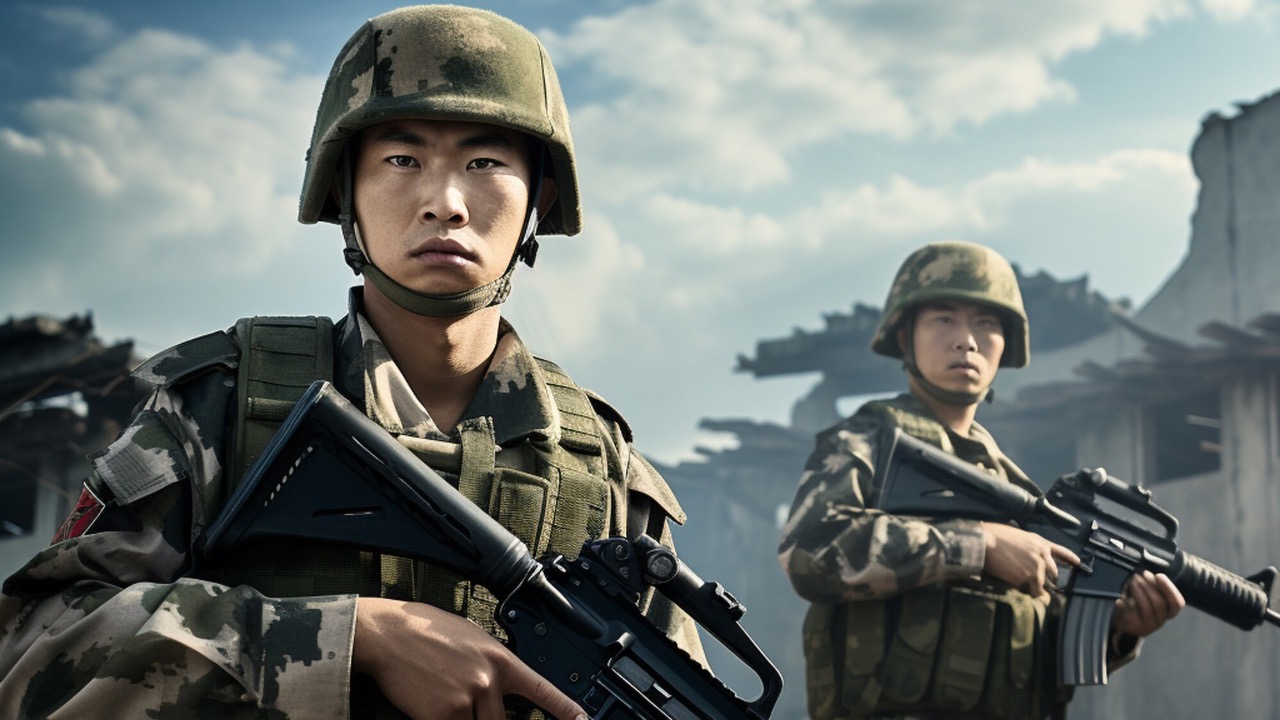
American officials have reviewed fresh information suggesting China stands ready to send shoulder-fired anti-air systems to Iran in the coming weeks. The equipment in question falls into the category of man-portable air-defense systems that can target low-flying aircraft. Sources familiar with the assessments describe the shipments as still in preparation rather than already completed. They also note efforts to move the cargo through third countries so the ultimate source stays hidden from easy detection. This approach reflects caution on Beijing’s part while still advancing the support. The timing adds another layer of complexity because it comes right as both sides in the recent fighting try to keep a lid on further escalation.
Observers tracking these developments point out that such transfers would go beyond the dual-use components China has supplied in the past. Direct delivery of finished weapons systems would represent a sharper break from previous patterns. Intelligence analysts continue to watch closely for any signs that the equipment has actually changed hands. Until that happens the picture stays incomplete, yet the mere prospect has already shifted conversations in security briefings across Washington.
What the systems could mean on the battlefield
Shoulder-fired missiles of this type gave Iranian forces a way to threaten American and allied aircraft during the recent five-week clash. They require no complex launch platforms and can be carried by small teams in the field. That portability made them an effective tool against helicopters and other low-altitude targets. If new batches reach Iran now they could help Tehran rebuild defenses that took hits in the fighting. The systems would also serve as a deterrent against any future air operations in the region. U.S. commanders have seen firsthand how these weapons can complicate mission planning even when used in limited numbers.
The reports do not claim the missiles have reached Iranian hands yet. Still the possibility alone forces planners to revisit risk calculations. Iran lost some air-defense capacity in the recent exchanges and appears eager to fill those gaps quickly. A fresh supply from an outside partner would speed that process along and potentially embolden harder-line voices inside Tehran who argue for continued vigilance rather than full de-escalation.
The fragile ceasefire adds urgency to the story
The truce that paused major combat between Iran and the United States took effect only recently after intense diplomatic maneuvering. Both sides described the pause as temporary and subject to review. Iran has signaled it wants time to repair damaged infrastructure and restock depleted arsenals. Intelligence now suggests some of that restocking could involve outside help arriving sooner than expected. The window feels narrow because any new weapons flow risks unraveling the delicate agreement before it has a chance to take root.
China has publicly claimed a role in encouraging the ceasefire talks. At the same time the intelligence assessments raise questions about whether Beijing’s actions match its stated goals of stability. The contradiction sits at the heart of current concerns in Washington. Officials worry that one hand works toward peace while the other quietly supplies the means for renewed conflict.
Washington views the moves as a strategic shift
U.S. analysts see the potential shipments as evidence that at least some Chinese leaders have decided to tilt more openly toward Iran. For years Beijing avoided sending complete weapons systems in favor of parts and technology that could serve civilian as well as military ends. A direct transfer of finished missiles would cross a threshold that previous governments had largely respected. The change matters because it suggests a willingness to accept greater friction with the United States at a time when high-level talks between the two capitals are already on the calendar.
Senior figures in the administration have made clear they regard such support as unacceptable. The concern extends beyond the immediate tactical threat. It touches on the larger question of how far China will go to protect its economic stake in Iranian oil while still projecting an image of neutrality. The intelligence community continues to gather more data to determine whether the shipments have already begun or remain at the planning stage.
Beijing pushes back against the allegations
Chinese officials have responded with a flat denial. They insist no weapons have been or will be provided to any side in the conflict. Embassy spokespeople in Washington called the reports untrue and urged the United States to stop what they described as baseless speculation. They pointed instead to China’s diplomatic efforts aimed at bringing the fighting to a close. The language from Beijing has stayed consistent in recent days even as the intelligence details circulated more widely in American media.
The denial leaves room for continued commercial dealings that fall short of outright weapons sales. China maintains it honors its international commitments and focuses on de-escalation. Whether that stance satisfies Washington remains an open question that will likely surface again when President Trump sits down with Chinese leaders in the coming weeks.
Economic ties between the two countries run deep
China buys the vast majority of the oil Iran exports under sanctions. That revenue keeps Tehran’s government afloat and funds a range of state activities including its military programs. In return Iran supplies a steady flow of energy that helps meet Beijing’s growing demand. The relationship has grown over many years and includes cooperation on infrastructure and technology that often blurs the line between civilian and military use. These links give China leverage but also create vulnerabilities if tensions with the United States escalate further.
The oil trade alone explains why Beijing wants to keep Iran stable enough to continue shipping crude. At the same time Chinese firms have sold components that end up in Iranian missile and drone production. Officials in Washington argue these sales amount to indirect military aid even when framed as commercial transactions. The pattern predates the latest reports yet the new intelligence has brought it back into sharper focus.
The White House signals possible consequences
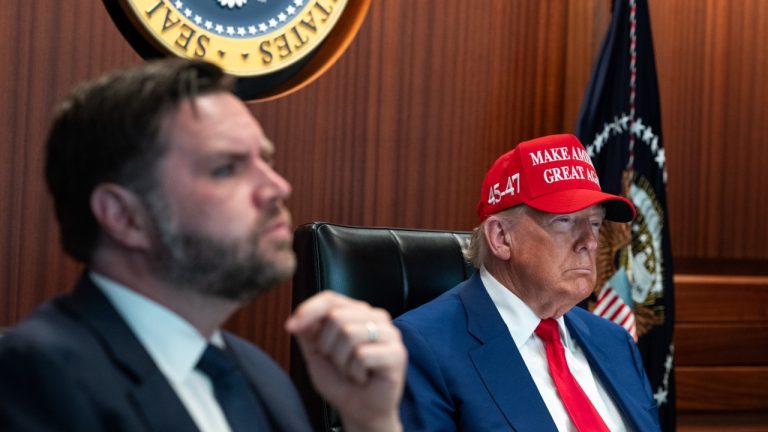
President Trump stated plainly that any Chinese weapons delivery to Iran would create major difficulties for Beijing. He stopped short of spelling out exact measures but left little doubt that Washington would respond. The comment came as Trump prepared for an upcoming trip to China where the Iran situation is certain to feature in private discussions. Administration officials have also floated the idea of fresh sanctions targeting entities involved in any such transfers.
The warning serves two purposes. It aims to deter Beijing from moving forward with the shipments while also reassuring partners in the region that the United States takes the threat seriously. How China weighs those risks against its long-term interests in Iran will shape the next phase of this quiet contest.
Broader implications stretch across the region
Any increase in Iranian air-defense capacity could alter the security calculations of neighboring states and American forces stationed nearby. Gulf countries already monitor Tehran’s military buildup with concern and would view new Chinese-supplied systems as another step toward greater Iranian reach. The United States meanwhile must factor the possibility into its own operational planning should the ceasefire collapse. The ripple effects extend to shipping lanes in the Strait of Hormuz where stability matters to global energy markets.
Diplomats on all sides now face the task of keeping the truce alive while these intelligence concerns linger in the background. Progress in the coming days could hinge on whether Beijing chooses to hold back on the reported transfers or proceeds despite the warnings. The situation remains fluid and the coming weeks will test whether the competing interests of major powers can be balanced before another round of conflict begins.

Asher was raised in the woods and on the water, and it shows. He’s logged more hours behind a rifle and under a heavy pack than most men twice his age.