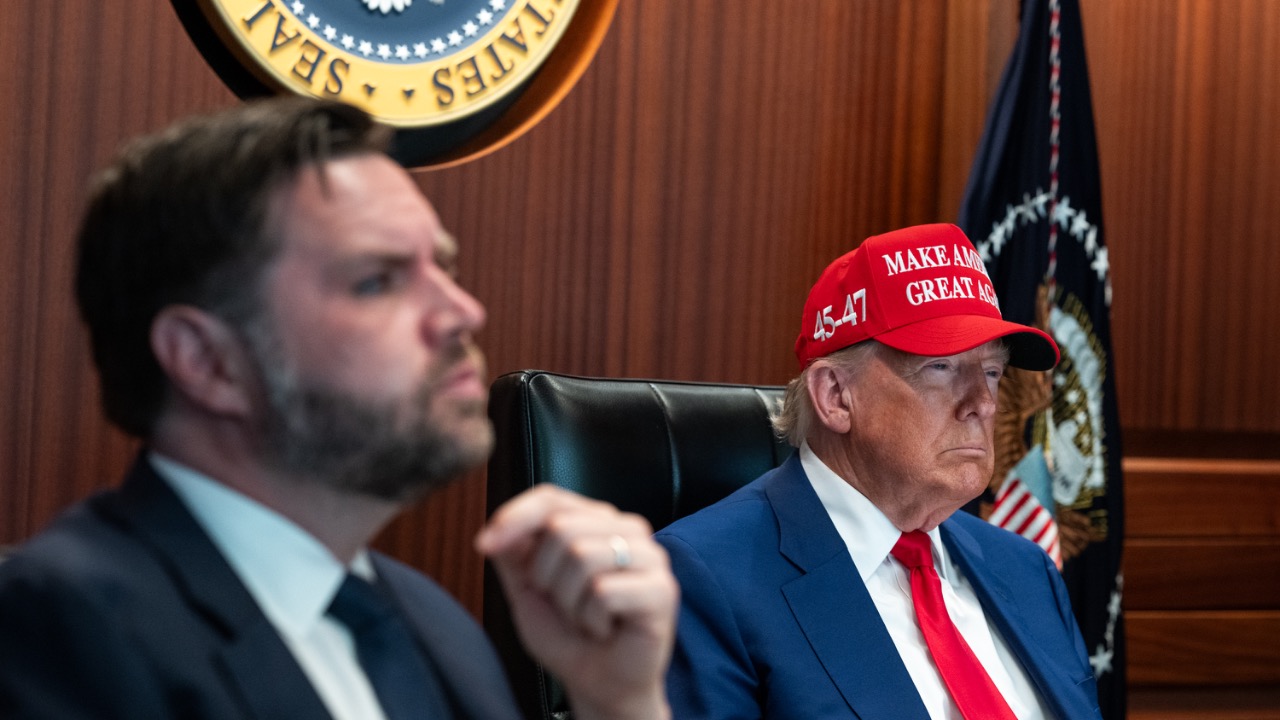
Trump sets deadline for Iran nuclear negotiations
Donald Trump has put a short, explicit clock on nuclear talks with Iran, warning that Tehran has only a matter of days to accept a deal or face unspecified consequences. The ultimatum has jolted already fragile negotiations and raised the prospect that diplomacy could give way to confrontation just as both sides edge toward a decision point.
The new deadline, framed as a window of roughly two weeks, follows months of on-and-off contacts between Iran and the United States and comes amid a visible military buildup in the region. It has also triggered sharp pushback from Iranian officials, who accuse Washington of risking a wider crisis by trying to force Tehran’s hand.
The 10 to 15 day clock Trump set
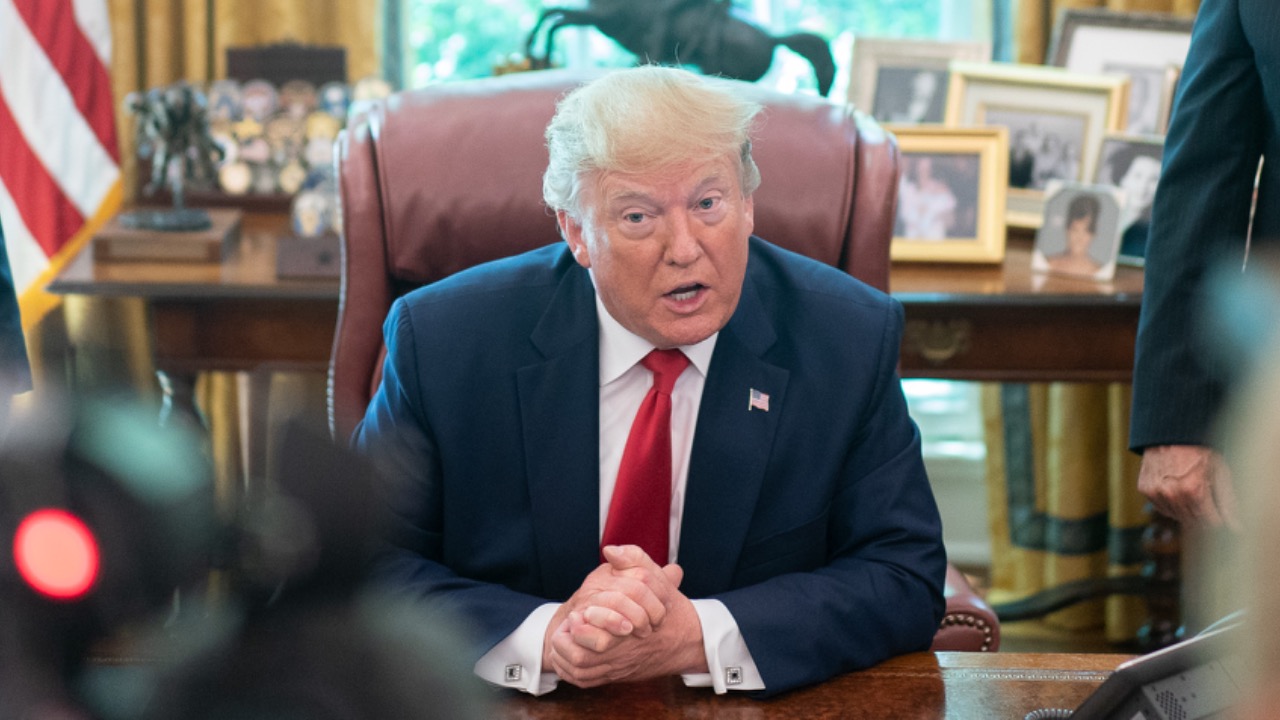
Trump has publicly warned that Iran has only “10, 15 days” to reach an agreement over its nuclear program, turning a long-running diplomatic process into a countdown. In remarks delivered in WASHINGTON on a Thursday in Feb, he said he would make a decision on how to proceed once that period expires, signaling that the United States is prepared to move beyond talks if Tehran does not accept his terms. In a separate appearance, President Donald Trump described the deadline as a “final” 10 to 15 day window for Iran to agree to a new nuclear deal, reinforcing the message that he views this as a last chance for diplomacy.
Iranian officials have reacted sharply, warning that the United States is risking a “crisis” by tying negotiations to such a short timeline and hinting that Tehran will not simply bow to pressure. Iranian media and diplomats have framed the deadline as an attempt to force unilateral concessions, while Trump and his advisers present it as a necessary step to prevent Iran from moving closer to a nuclear weapon. The standoff has been amplified across social platforms, where posts that were Discovered through sharing tools highlight the clash between Iran and Trump over the ultimatum and the threat of a potential attack on Iran.
How the ultimatum reshapes the 2025 to 2026 talks
The deadline lands in the middle of a negotiation process that began when Iran and the United States opened formal talks earlier in 2025. In April, Iran and the United States launched a series of meetings aimed at limiting Tehran’s nuclear activities in exchange for sanctions relief, building on years of prior diplomacy and breakdowns. Those 2025 to 2026 Iran and United States negotiations have involved disputes over enrichment levels, verification access, and the sequencing of economic relief, and they were already under strain before Trump added a public countdown.
By announcing that Iran has only 10 to 15 days to accept a deal, Trump has shifted the talks from an open-ended bargaining process to a test of political will. Iranian leaders who were already wary of domestic criticism now face a choice between accepting terms under visible pressure or rejecting them and risking confrontation. American negotiators, for their part, must balance the president’s timeline with the slower pace of technical discussions that began when Iran and the United States first sat down together. The compressed schedule may force both sides to narrow the agenda to core nuclear constraints and sanctions steps that can realistically be agreed before the clock runs out.
Military pressure in the background
Trump’s nuclear deadline is unfolding against a backdrop of growing military pressure designed to underscore his warnings. Reports from regional outlets describe how the United States has amassed one of its larger recent deployments in and around the Gulf, with air and naval assets positioned to signal that Washington’s threats are not purely rhetorical. A televised clip in which Trump said that if Iran does not agree, “bad things” could happen has been widely replayed, including in a Feb video that shows him outlining the 10 to 15 day window and insisting that the “deadline firm to make” a decision on further steps.
Iran has responded by highlighting its own defensive preparations, including hardened facilities and missile forces, while insisting that it does not seek war. One report notes that tunnel access at Natanz and missile bases damaged during a 12 day conflict with Israel have been strengthened, an indication that Tehran expects potential strikes on strategic infrastructure. Iranian media close to the security establishment argue that these measures, combined with the country’s missile arsenal, are meant to deter any United States attack that might follow a collapse in talks. The resulting posture on both sides looks like a classic pressure campaign, with diplomacy and deterrence intertwined.
Iran’s warning of a looming ‘crisis’
Iranian officials have accused the United States of risking a major “crisis” by tying the nuclear file to a rigid countdown. In comments carried by regional outlets, Tehran’s representatives argue that no sovereign state can accept an ultimatum of “10, 15 days” on a matter as sensitive as its nuclear program and national security. They say such rhetoric undermines trust built since Iran and the United States resumed talks and makes it harder for Iranian leaders to justify any compromise at home. The word “crisis” has become a centerpiece of official messaging, a way to blame Washington in advance if negotiations break down.
Coverage that tracks the standoff under Donald Trump News has highlighted how Iranian officials are also working to rally international sympathy by portraying the United States as the side escalating toward conflict. Commentators sympathetic to Tehran argue that the short deadline is designed to manufacture a pretext for future action rather than to secure a balanced agreement. At the same time, Iranian diplomats continue to signal that they remain open to a negotiated solution if pressure tactics ease, suggesting that Tehran is trying to keep diplomatic doors ajar even as it condemns the ultimatum. Links shared through privacy focused portals that were Discovered in connection with Iran and Trump show how the narrative of a looming crisis is being amplified for foreign and domestic audiences alike.
Trump’s public message and political calculus
Trump’s handling of the ultimatum reflects his broader style on foreign policy, which favors public pressure and sharp deadlines. In his recent comments, he has portrayed himself as the leader willing to confront Iran directly and to make clear that the United States will not allow Tehran to obtain a nuclear weapon. Profiles that track Donald Trump’s political career describe a pattern of using high-profile statements and fixed timelines to project strength, a tactic he has applied in trade disputes, alliance burden-sharing debates, and now the nuclear issue with Iran. By setting a 10 to 15 day window, he reinforces an image of decisiveness for supporters who want a tougher line on Tehran.
Domestic politics also shape how Trump frames the confrontation. His allies argue that previous administrations were too lenient with Iran and that only firm ultimatums can change Tehran’s behavior, while critics warn that public countdowns leave little room for quiet compromise. Trump’s team has promoted clips of his remarks across social media, including on platforms where posts that were Discovered through sharing tools emphasize his warning that Iran faces an “unfortunate” outcome if no deal is reached. The messaging is aimed simultaneously at Iran’s leadership and at American voters who see nuclear negotiations as a test of presidential resolve.
Iran’s internal pressures and negotiating stance
Inside Iran, the deadline lands in a complex political environment shaped by economic strain and security concerns. Years of sanctions have squeezed revenues and contributed to inflation, while periodic clashes with the United States and Israel have heightened public anxiety. Iranian leaders must weigh the benefits of sanctions relief against the perception that they are giving in to a foreign ultimatum. Analysts who follow Iran argue that the leadership is especially sensitive to the idea of national dignity, which makes it harder to accept a deal that appears to have been dictated under a 10 to 15 day threat.
At the same time, Iran’s negotiators have invested significant political capital in the talks that began when Iran and the United States returned to the table in 2025. They have pushed for guarantees that sanctions will not snap back easily and for recognition of what they describe as Iran’s right to peaceful nuclear technology. The leadership’s response to Trump’s deadline suggests a dual-track strategy: publicly reject the notion of a countdown while quietly exploring whether there is any room to shape the terms before time expires. Social media accounts affiliated with Iranian outlets that were Discovered through various platforms show officials insisting that Iran will not be bullied, even as they leave open the possibility of further discussions.
Energy markets and the Commodities Feed reaction
Energy traders have been quick to react to the prospect that nuclear talks could fail and tensions could escalate. An analysis in The Commodities Feed notes that oil prices remain well supported, with Energy market participants pricing in the risk that any confrontation involving Trump and Iranian forces could disrupt supply routes or lead to new sanctions on Iranian exports. The same overview highlights that United States oil inventory declines have added to bullish sentiment, amplifying the impact of geopolitical risk on prices. For traders, the 10 to 15 day window is not just a diplomatic marker but a near-term event that could trigger sharp moves in crude benchmarks.
Beyond oil, the standoff has implications for broader commodities and shipping. Any conflict that affects the Gulf could raise insurance costs for tankers and slow the flow of goods, while new sanctions could reshape trade patterns for petrochemicals and metals linked to Iran. The Commodities Feed connects these concerns to agricultural markets as well, since higher fuel costs can ripple into fertilizer prices and transport expenses. Market participants are therefore watching each statement from Trump and Iranian officials as a potential signal about whether the deadline will end in a deal, an extension, or a slide toward confrontation that would spill over into global supply chains.
Memories of past United States strikes on Iranian nuclear sites
The current tension revives memories of earlier confrontations between the United States and Iranian nuclear facilities. Historical accounts of United States strikes on Iranian nuclear sites describe how Washington once authorized a series of attacks on key installations, followed by a short televised address in which Trump declared that certain targets had been “completely and totally obliterated.” Those strikes were aimed at setting back Iran’s nuclear capabilities and sending a deterrent message, but they also risked escalation and drew international concern about the potential for wider war. The legacy of those actions hangs over today’s talks, shaping how both sides interpret threats and deadlines.
Iran has responded to past strikes by hardening its facilities and dispersing sensitive activities, a process that includes building deeper underground structures and improving air defenses. The article that details United States strikes on Iranian nuclear sites explains how these adaptations have made any future attack more complex and potentially more costly. For Iranian leaders, Trump’s new ultimatum may look like a prelude to another round of strikes, which reinforces their insistence on strong security guarantees. For American planners, the precedent of earlier operations both expands the menu of options and underscores the risks of miscalculation if diplomacy collapses once the 10 to 15 day clock runs out.
What is at stake if the deadline passes
As the deadline approaches, both sides face high stakes that go beyond the immediate question of centrifuges and sanctions. If Iran rejects Trump’s terms and the United States moves toward military action, the result could be a regional conflict that draws in allies and disrupts global markets. Past episodes, including earlier United States strikes on Iranian nuclear sites, show how quickly limited operations can widen when misperceptions and domestic pressures collide. For Iran, a failure to secure sanctions relief would prolong economic pain, while for the United States, a confrontation could mean new commitments of forces and resources at a time when many policymakers prefer to focus elsewhere.

Leo’s been tracking game and tuning gear since he could stand upright. He’s sharp, driven, and knows how to keep things running when conditions turn.