Lawmakers Warn of Risks to Black and Latino Communities as ICE Confirms Spyware Use
You’ve seen the immigration debate heat up for years, but this latest development hits different. Federal agents at Immigration and Customs Enforcement just admitted they’re deploying tools that can slip into phones, grab encrypted messages, photos, and location data without the owner ever knowing. The agency says it’s all about stopping fentanyl traffickers. Three Democratic lawmakers aren’t buying the explanation at face value. They’re warning that Black and Latino communities could bear the heaviest burden if things go wrong, and the lack of straight answers only makes the situation feel more urgent.
ICE just admitted it’s using spyware inside the United States
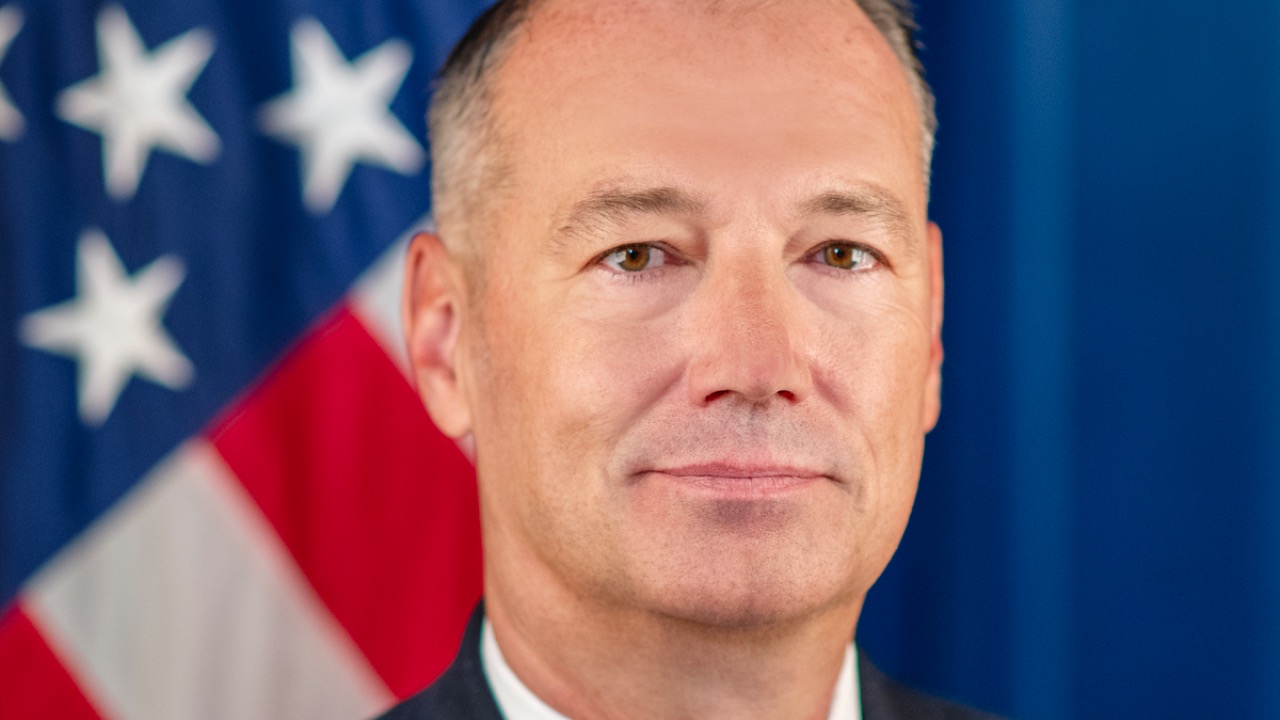
Acting Director Todd Lyons sent a letter on April 1 confirming that Homeland Security Investigations can now use these tools. The spyware, called Graphite and made by an Israeli firm called Paragon Solutions, lets agents access WhatsApp messages and other encrypted apps. ICE signed a two-million-dollar deal for the technology back at the end of the Biden administration, paused it, then revived the program last fall. Lyons says the move complies with a 2023 executive order meant to limit risky commercial spyware. Still, the letter gave almost no details on exactly who gets targeted or how agents decide when to turn the tools on.
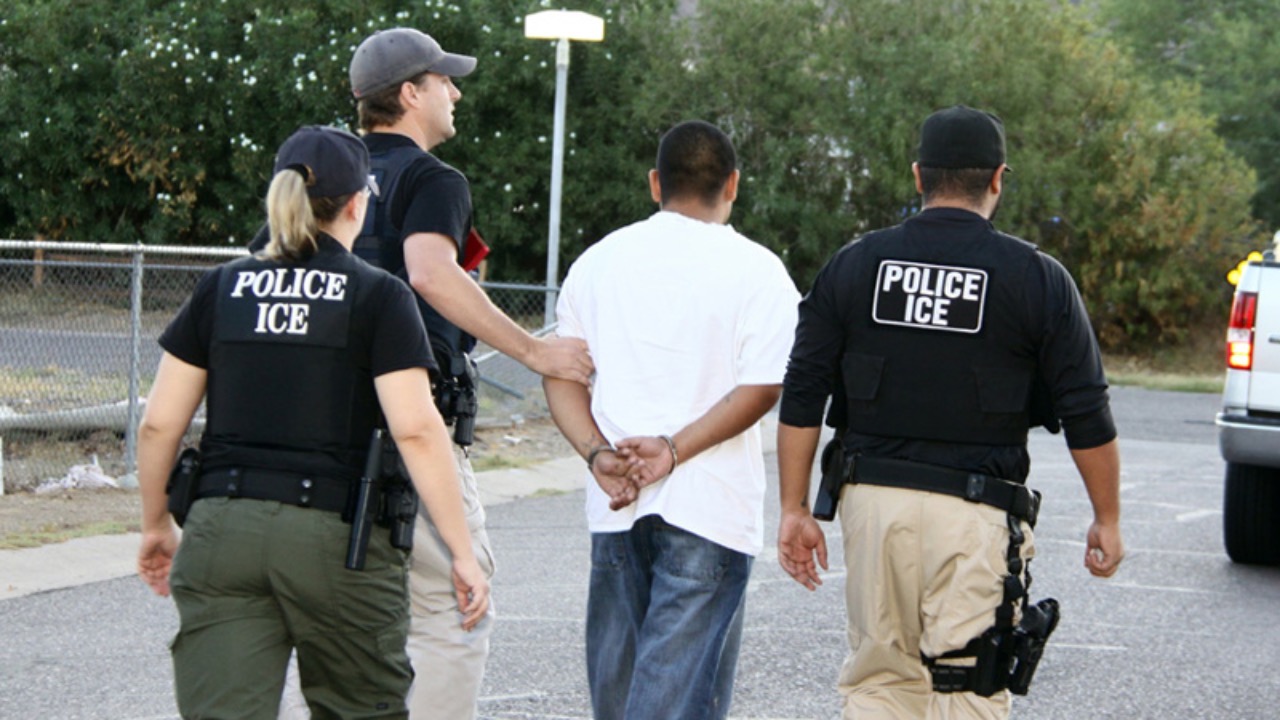
That vagueness is what has people paying close attention. You can see why. Once an agency has this kind of access, the line between fighting crime and overstepping gets blurry fast. And ICE has a long history of operating in neighborhoods where Black and Latino families live and work every day.
Lawmakers demanded answers months ago and still feel stonewalled
Back in October, Representatives Summer Lee of Pennsylvania, Yassamin Ansari of Arizona, and Shontel Brown of Ohio sent a detailed letter to the Department of Homeland Security. They wanted to know the legal basis for using foreign spyware inside the country, who might end up in the crosshairs, and what safeguards actually exist. When the April response finally arrived, the lawmakers called it disappointing at best. They pointed out that ICE offered broad assurances but skipped the hard evidence on targets, policies, or real oversight.
Lee put it plainly in her statement: the agency is pushing ahead with invasive technology while asking everyone to trust vague promises. The three representatives say they will keep pressing for documents and hold hearings if necessary. Their push shows Congress isn’t ready to let this slide without more sunlight on the program.
Black and Latino communities sit at the center of the worry
Lawmakers keep naming Black and brown communities as the groups most likely to feel the impact. ICE’s enforcement work already focuses heavily on immigrant-heavy neighborhoods, many of which are home to Latino families and Black Americans with ties to those communities. Add spyware that can track phones silently, and the fear is that routine stops or protests could turn into digital surveillance without anyone realizing it.
History plays a role here too. Past ICE operations have drawn criticism for sweeping up U.S. citizens and legal residents alongside undocumented people. Advocates argue that without clear rules, these tools could widen the net even further. The result might be families feeling watched in their own homes, with little recourse if data gets misused or shared beyond its stated purpose.
The technology itself raises fresh privacy questions
Graphite uses zero-click attacks, meaning it can infect a phone just by receiving a message—no link to tap, no app to open. Once inside, it pulls encrypted conversations, location history, and files before slipping away. WhatsApp itself flagged Graphite targeting journalists and activists overseas earlier this year. Now the same capability sits in the hands of a domestic law enforcement agency.
Civil liberties groups like the Electronic Frontier Foundation and the Electronic Privacy Information Center say the risks go beyond immigrants. They worry about spillover onto citizens who live alongside targeted individuals or attend the same events. Without strong judicial warrants for every use, the technology could quietly reshape what privacy means for anyone carrying a smartphone.
ICE points to fentanyl as the reason for the tools
The agency’s letter frames the spyware as a necessary response to transnational groups hiding behind encryption to move deadly drugs. Fentanyl deaths have climbed year after year, and officials argue that old methods no longer cut through modern messaging apps. Lyons certified the program under existing rules and promised coordination with ICE lawyers to stay within constitutional bounds.
Supporters of the approach say agents need every advantage against sophisticated criminals. The question many are asking now is whether those advantages come with built-in limits that actually hold up when real cases hit the street. So far, the public has seen promises but few concrete guardrails spelled out in writing.
Oversight feels thin and the process stays opaque
The lawmakers’ biggest frustration centers on what they didn’t receive: any list of potential targets, deployment strategy, or internal compliance records. DHS replied with general statements that the tools respect civil liberties, but offered no proof of how that respect gets enforced day to day. No congressional review process exists yet for this specific capability.
That leaves the public relying on agency self-regulation. Privacy experts point out that administrative subpoenas or other lower standards could open the door wider than a traditional warrant would. Until Congress steps in with tighter rules, the balance between security and rights rests largely on internal agency decisions that stay out of public view.
Journalists, organizers, and everyday voices could get swept up
Lee’s statement specifically lists journalists and community organizers alongside immigrants and communities of color as people most at risk. These are the folks who document enforcement actions, organize protests, or simply speak out. If spyware can reach them without notice, the chilling effect on public discourse becomes real.
The pattern isn’t new. Similar tools have been misused abroad against reporters and activists. Here at home, the concern is that criticism of immigration policy could quietly land someone on a watch list. Protecting the ability to report and assemble without fear of secret surveillance matters to anyone who values open debate.
The conversation is just beginning and the stakes are high
Right now, the program remains limited on paper to countering fentanyl networks, but the technology’s power makes expansion easy if pressure builds. Lawmakers say they plan to keep demanding transparency and push for legislation that sets clear boundaries. For Black and Latino communities already navigating heightened enforcement, the message is simple: pay attention, because these tools could change how privacy works in daily life.
You don’t need to be an expert to see why this matters. When federal agents gain the ability to peek inside phones without a trace, everyone who lives, works, or organizes in affected neighborhoods feels the shift. The coming weeks will show whether Congress can force clearer rules before the technology spreads further.

Asher was raised in the woods and on the water, and it shows. He’s logged more hours behind a rifle and under a heavy pack than most men twice his age.